Reenactors portray life in the Royal Irish Artillery—in the middle of Wellesley
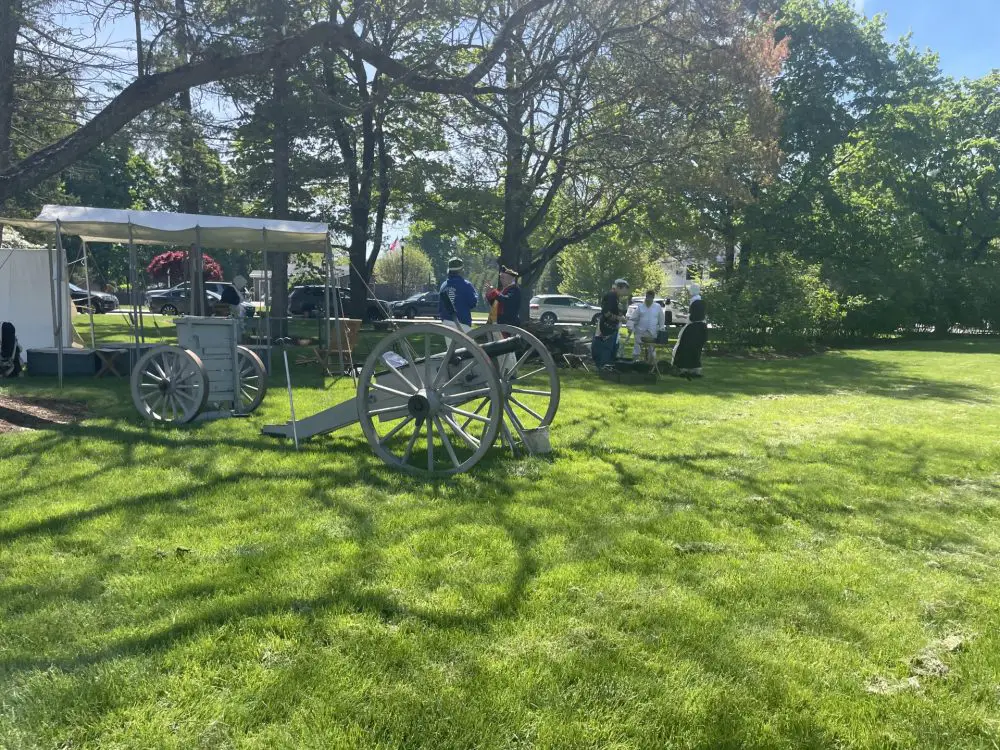
On both Saturday and Sunday, an interactive, 18th-century living history reenactment ran as part of Wellesley Wonderful Weekend. Re-enactors and historical interpreters assembled a military camp with careful attention to detail, pitching cream-colored tents into the dirt, watching a campfire crackle the scent of ash, and interacting with visitors as if they’d lived and experienced the lives of members of the British Army.
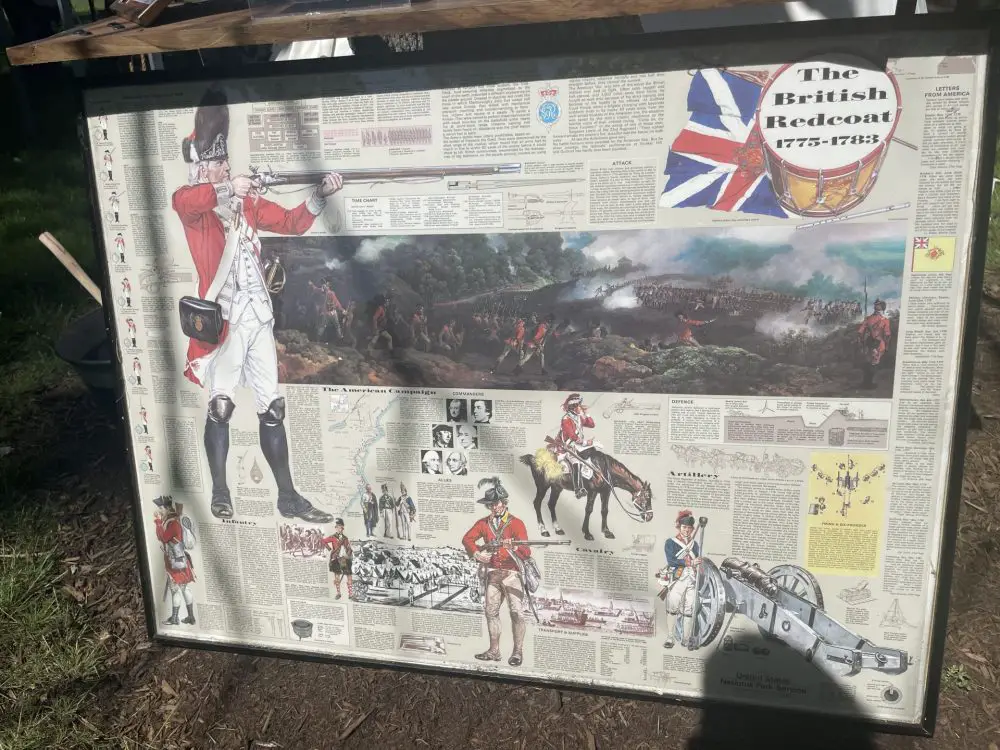
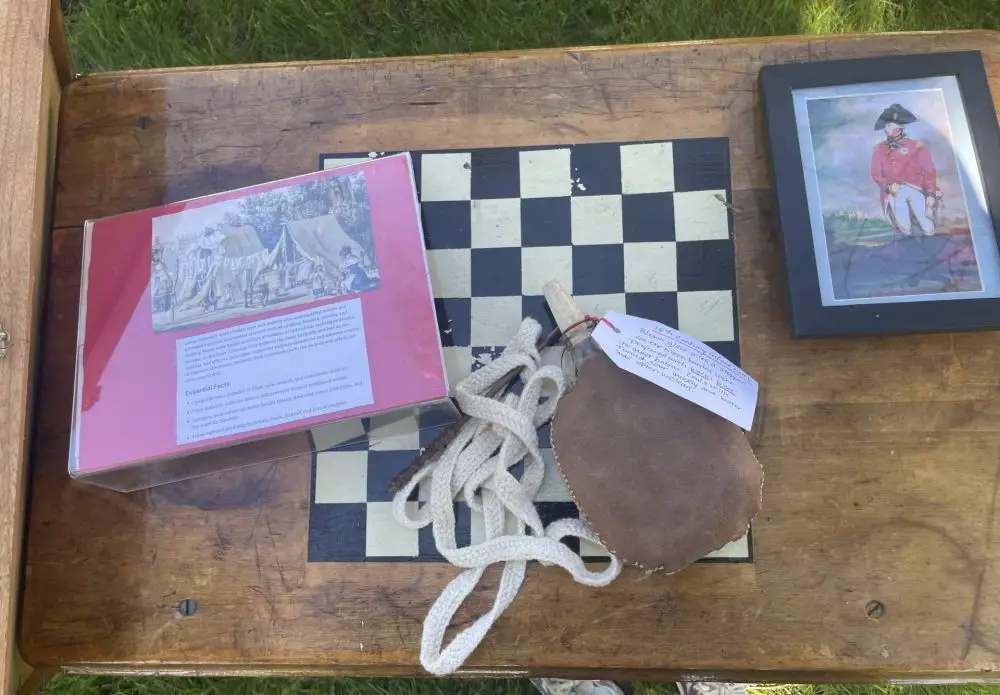
This took place at Morton Park Field, by the police department. Visitors wandered through the encampment slowly, able to read and appreciate recreated documents. These documents focused on culture and traditions, such as the types of teas under tax, the lives of “Camp Followers”, or the function and use of an Infant Bottle. Others highlighted more practical realities, for example, the duties and use of cavalry.
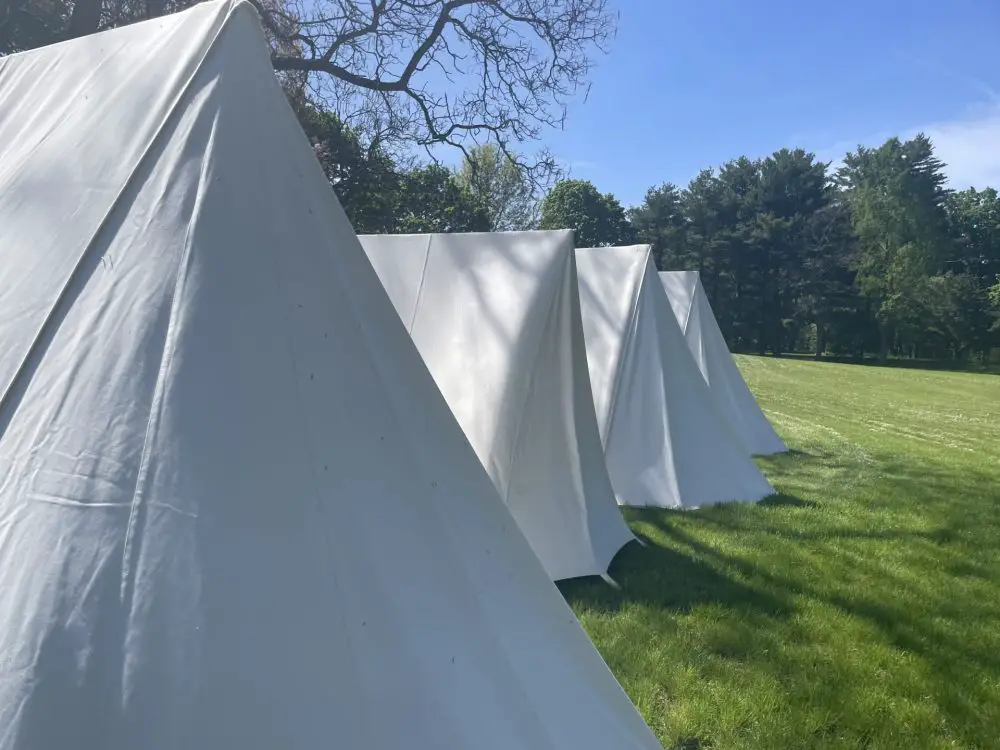
The event spotlighted the Royal Irish Artillery, a British regiment established during the American Revolutionary War. Despite its name, many of the regiment’s soldiers never actually served in Ireland. Instead, the unit was created by the British Army in 1777 to strengthen artillery forces fighting in North America during the Revolution.
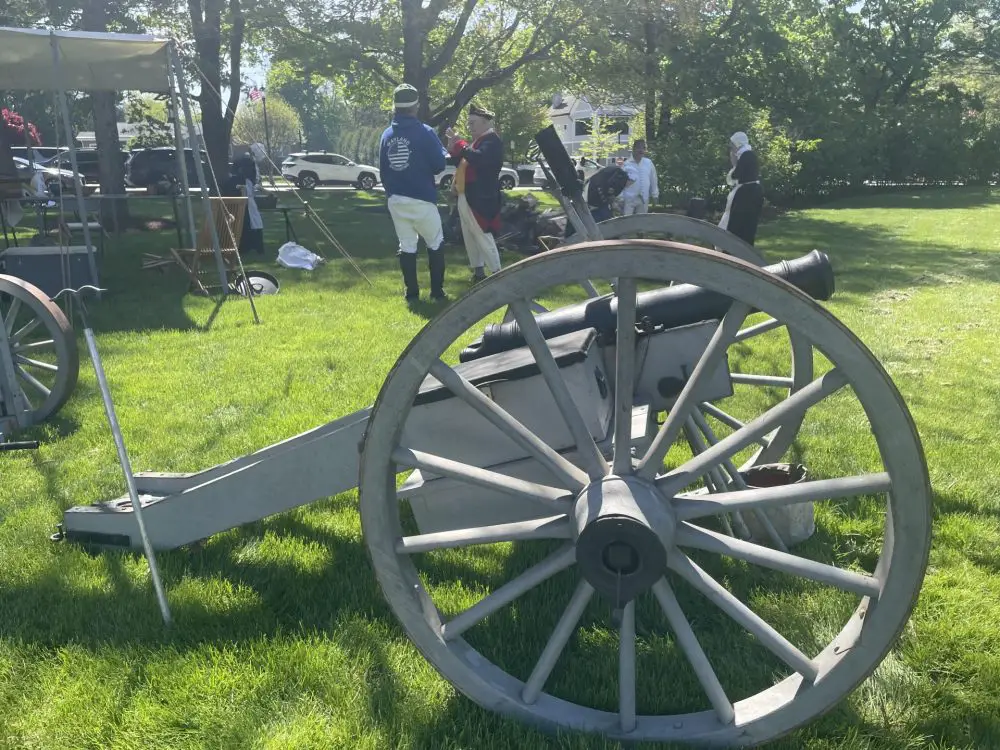
Interpreters also demonstrated the complexity of 18th-century artillery work. Units such as the Royal Irish Artillery were regarded as highly skilled because firing a cannon accurately required mathematics and precise coordination. Preparing a single shot could take several minutes, with every crew member having specific responsibility.
In Wellesley, the cannon was shot a total of three times on Saturday: 12:30 PM, 1:30 PM, and 2:30 PM, allowing for a fun visual display alongside the encampment.
Throughout the weekend, visitors explored the grounds, examined antique artillery and weaponry up close, and spoke directly with interpreters about the realities of military and civilian life during the Revolutionary era. The demonstrations and conversations worked together, resulting in visitors earning a clear sense of the discipline and daily realities of Revolutionary-era military life.