In an update last week to the School Committee, Principal Jamie Chisum broke the news that due to low enrollment, the Evolutions program would not run during the 2026-2027 school year. Only 12 students signed up, a far cry from the program’s heyday of 80 around ten years ago.
The optional interdisciplinary program for the past decade ran as as a project-based learning model not confined to the typical bell schedule. The idea was to reach students interested in exploring school in a new way, with ownership over their learning. The collaborative program was open to juniors and seniors who, led by their teachers, made connections across courses in Art, English, Science, and Social Studies.
Recent examples of students’ projects include creating podcasts, TED-style talks, video essays, magazines, and more.
Chisum identified a couple of factors that, despite community support, led to the drop in enrollment. “As is always the case with other courses in the program of studies, if there aren’t enough students to run it, we don’t run it,” Chisum said, adding what he heard from students was that enrollment in Evolutions closed off their opportunity to take other courses. Even though the program over the years had evolved, if you will, to allow students to take an additional class outside of Evolutions—such as that science, math, or history class they really wanted—that just wasn’t enough flexibility.
Then there were staffing changes. When one of the program’s teachers decided recently not to return to WHS in the fall, the void left couldn’t be filled in time for next year. “We tried to hang in there as long as we could—remember this is a program that was running with 3.8 FTEs [full-time employees].”
The combination of the exceedingly low student numbers, combined with the new lack of a full teaching staff roster to run the program turned out the be the last straws.
Under pressure
One parent described Evolutions as the single most impactful course her daughter took throughout high school. She lamented the cultural forces that seem to dictate that students learn in a certain way. “I do feel like students don’t feel free enough to choose Evolutions, that I think that’s a cultural part of our town, of our environment, and the pressure that we put on our kids.”
A student spoke up about “the AP culture in Wellesley,” describing the vibe as crazy and unnecessary. “We have a lot of really great opportunities offered already. APs aren’t, in my opinion, that helpful in terms of college admissions.”
A dozen reasons to care
So what happens to the stalwart 12 who were all in on Evolutions 2026-27? It’s back to their guidance counselors to set up an entire new slate of classes for next year. They won’t be closed out of opportunities, since the there’s still a large measure of fluidity with the makeup of the classes. But whether the students will take the same number of honors classes as they would have earned as Evolutions students will be decided on an individual basis.
The future
Chisum says he has hope that Evolutions will once more be added to the curriculum. He’s positive the value is there. “One of the most powerful statements I ever heard from one of the students in Evolutions was when he turned to me and said, ‘in this program I found out I was smart.’ ”
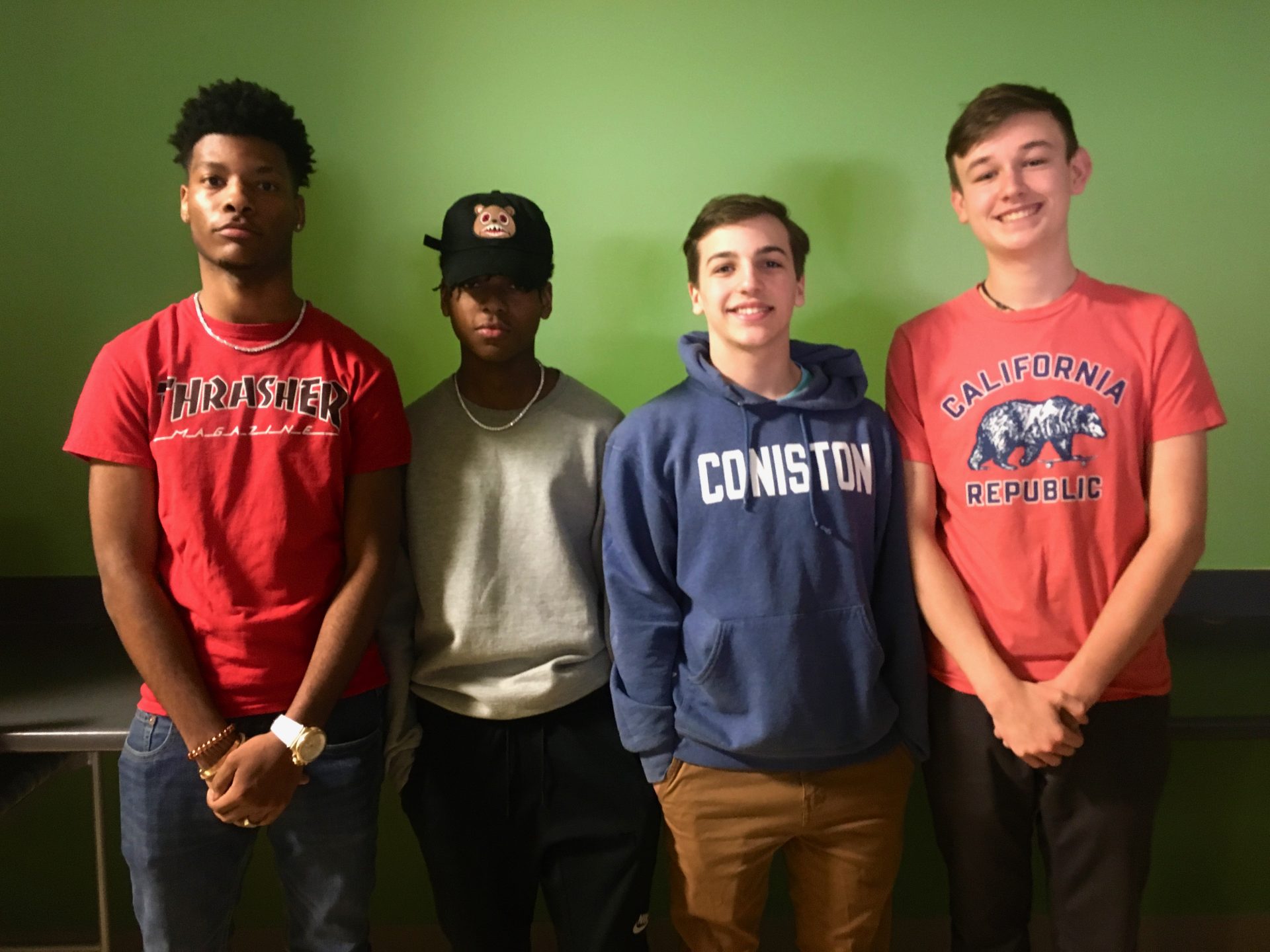
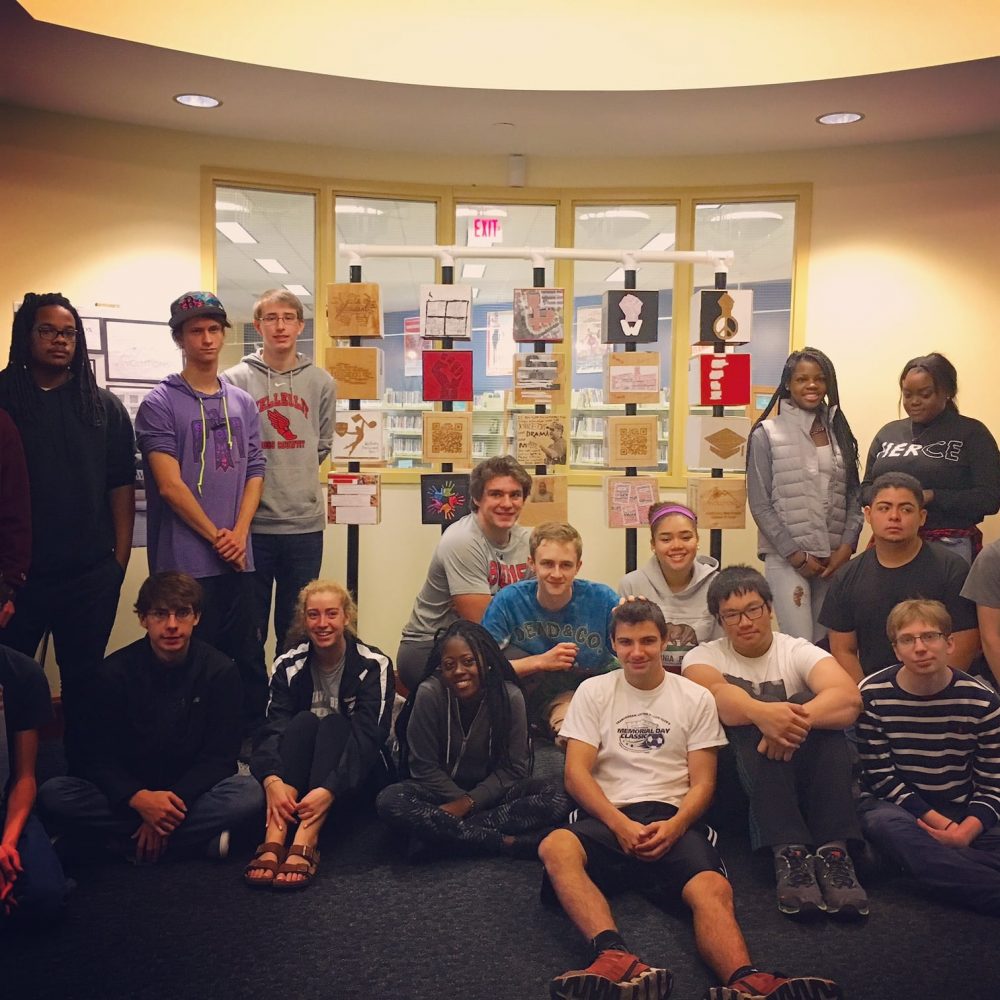
We were invited many times over the years to cover Evolutions students’ learning experiences. Here are a few pics:
Evolutions students help create a canopy
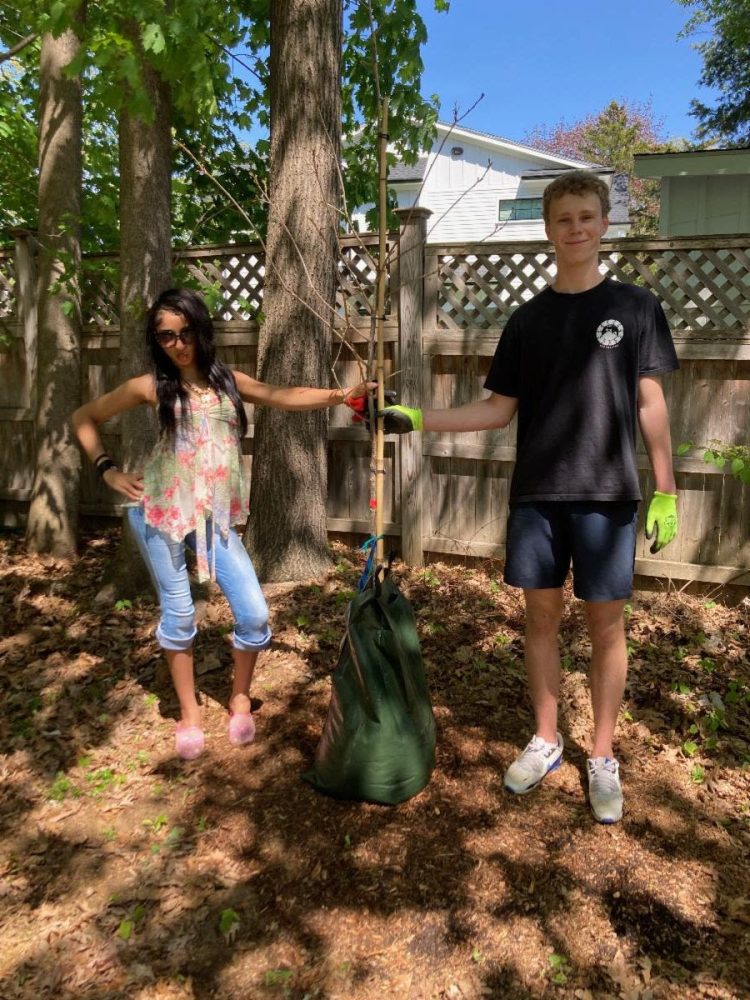
May 2026–In an effort to target areas in Wellesley with lower tree canopy cover or greater historic canopy loss, groups of students from the Evolutions class planted new trees in residents’ yards utilizing funding from the Tree Preservation Bylaw. The students partnered with the Wellesley Natural Resources Commission to assist in the Tree Canopy Expansion Initiative.
Found poems

Public health policy project
People in your neighborhood
Please help The Swellesley Report evolve with a tax-deductible donation