• Sign up for free email newsletter
  • Advertise
  • Donate to support our work
  • Events calendar
  • About Us
The Cashmere Sale, Wellesley
 
Pinnacle, Elaine Bannigan
 
Wellesley Hills Dental

The Swellesley Report

Since 2005: More than you really want to know about Wellesley, Mass.

  • Restaurants, sponsored by black & blue
  • Camps, sponsored by NEOC
  • Wellesley Square
  • Private Schools, sponsored by Prepped and Polished
  • Public Schools, sponsored by Sexton
  • Preschools, sponsored by Longfellow, Wellesley
  • School news
  • Kid stuff
  • Top 10 things to do
  • Business news
  • Worship
  • Letters to the editor
  • Guidelines for letters to the editor
  • Live gov’t meetings
  • Sports schedules & results
  • Deland, Gibson’s Athlete of the Week
  • Deaths
  • Housing
  • Medical providers—sponsored by FIXT Dental
 

Top Stories

ABL Fitness serving ‘booming demand’ for adaptive exercise
Town gov't meetings this week
Longtime athletic director retires

Advertisements

Needham Bank, Wellesley
FIXT
Down Under, Wellesley
 

Search Results for: meet the school committee candidates

Education

Meet the 2026 Wellesley School Committee candidates

February 12, 2026 by admin

Wellesley depends on the active participation of its citizens in governance of the Town. Wellesley has 11 Boards and Committees on the ballot at the Annual Town election each year in March. The 2026 election will be held on Tuesday, March 3.

There are four candidates running for two open 3-year terms on the School Committee (see list of all town-wide office candidates). The five-member Committee is made up of local residents. The Committee’s responsibilities are to develop and manage school policies; support the allocation of resources by overseeing budget and facilities; hire and review the superintendent of schools; and advocate for the school district.

The School Committee candidates, in ballot order, are Bob Sullivan; Costas Panagopoulos, PhD; Ayla Lari; and Michael Robert Cave, PhD.

The Swellesley Report invited the candidates to answer a few questions about their priorities for the Town of Wellesley. Below are their responses.

  • Bob Sullivan
  • Costas Panagopoulos, PhD
  • Ayla Lari
  • Michael Robert Cave, PhD

Bob Sullivan

 
The Swellesley Report: Please introduce yourself to The Swellesley Report’s readers & share why you are running
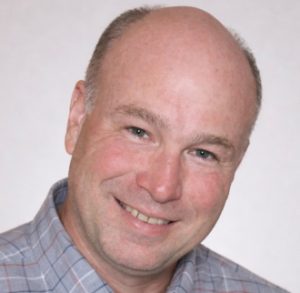
Bob Sullivan, School Committee candidate
Bob Sullivan

Bob Sullivan: I grew up in Wellesley with my seven brothers and sisters. We were all educated in the Wellesley Public Schools (WPS) and went on to college. I graduated from Holy Cross, received my MBA in Finance from Boston University and completed Harvard Business School’s Advanced Management Program. Education was very important in my family. My wife, Betsey, and I have three daughters who have been in the Wellesley School system since kindergarten. Our oldest is getting ready to graduate Wellesley High School this Spring.

There is no question, the Wellesley schools are very good. WPS has some truly outstanding and dedicated educators, and we are incredibly grateful for their service to our town. However, I believe WPS could be better. Though it is just one data point, the district’s ranking during the past decade has declined significantly. And, while demographic shifts have caused some of the enrollment decline in the district, it appears there are other factors that contribute to students leaving our school system. We need to understand why families are making this decision.

The town has always supported the Wellesley Public Schools. WPS spending per student is among the highest in the state. However, people are concerned the budget has been too directed to the administration and non student-facing positions. There are also questions around the use of substandard reading and math curriculum, the extraordinary number of families that feel the need to hire tutors and fight to get help from the schools for their child rather than that help being proactively provided, the inability of students to bring tests and papers home to review, and achievement gaps that are not closing like we need them to. There does not seem to be any transparency around these and other issues. And, the school’s constituents feel there is not the accountability to force the leadership to find best-in-class solutions.

WPS has great students, a strong foundation of experienced teachers, engaged parents and a supportive taxpayer base. We should have superior schools, not just very good schools. I want to ask the questions and make sure parents and taxpayers get answers. I believe that it is the job of the school committee to ensure transparency and accountability as well as to make certain that we have the correct policies, leadership and resources in place to see to it that the schools and our children reach their potential.

The Swellesley Report: What are your thoughts on the town splitting the town and school budgets at Annual Town Meeting?

Sullivan: At $94 million, the school’s operating budget is approximately 50% of the town’s operating budget. While the taxpayers have always supported the schools, it is reasonable that they would want to make sure that the administration is spending the funds in a responsible way that benefits students. By splitting the budget, it will provide increased transparency and accountability to not only school spending but also to the other components of town spending, which is a positive change.

The Swellesley Report: With investment in new initiatives limited under current town budget guidelines, how can the Wellesley Public Schools system ensure it is achieving goals set out in its Strategic Plan?

Sullivan: We need to address the air conditioning needs at Bates, Fiske, Schofield and the Middle School in a responsible way. The School Committee must also explain why this large capital outlay is important to the schools in order to secure the support for the projects. Many of the remaining initiatives in the Strategic Plan do not involve large capital outlays. With that being said, budget constraints will require that we make choices on how to allocate available funds. We need to make sure both operating and strategic spending benefits students. We should be putting more metrics around what will constitute success within each initiative of the strategic plan and an estimate of the capital required to achieve that goal. This will allow us to make informed decisions. I also believe that there is significant low-hanging fruit that is not mentioned in the strategic plan that would allow us to improve the learning experience of our students with little to no capital outlay. Putting our goals on paper is an important step. But we must also quantify how to measure the district’s progress and have the culture in place to embrace many of these opportunities.

The Swellesley Report: What worries you about the use of artificial intelligence in schools, and where do you see opportunities for Wellesley Public Schools to embrace this technology?

Sullivan: It is very important that we embrace artificial intelligence in a smart way to capture the efficiencies it offers to keep headcount and costs down at the administrative level. We should also help teachers implement AI tools to operate more efficiently so they can spend more time on direct interaction with students and less time on tasks such as creating tests and other learning aids that can be created by AI.

Artificial Intelligence is also going to be a very important tool for our students to learn how to leverage. Without this skill they will be at a disadvantage to other students that graduate with a full understanding of the benefits that AI holds. But, we have to be certain that AI is a tool that students use to enhance their work rather than one that is looked at as a source that provides the primary answer. It is critical that we focus on teaching the fundamental reading, math, science and writing skills and make sure our graduates have strong critical thinking skills. These skills will be required to make sure our students can leverage AI instead of being reliant on AI.

The Swellesley Report: How can voters reach you and learn more about your campaign?

Sullivan: I can be reached at bob_sul@yahoo.com


Costas Panagopoulos, PhD

 
The Swellesley Report: Please introduce yourself to The Swellesley Report’s readers and share why you are running
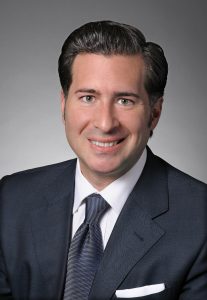
Costas Panagopoulos, PhD, School Committee candidate
Costas Panagopoulos

Costas Panagopoulos, PhD: I am proud to be a candidate for the Wellesley School Committee. Our family moved to Wellesley 9 years ago. Our son George is in the 1st grade at Hardy Elementary School. We love our town, and we love our schools. I believe the public schools are the heart and soul of our community. Like many families, we moved here largely because of the excellence of the Wellesley public school system. We didn’t know what to expect when we moved here, but what we have found is a welcoming and inclusive community that has embraced our family in ways we could not have imagined. From the very beginning, it has felt like home.

I have been passionate about education my entire life. My parents emigrated from Greece with only third grade educations. They instilled in me an appreciation for education that endures to this day. I am the product of the Massachusetts public school system, and I am indebted to it. I graduated from Dracut High School which prepared me to go to Harvard as an undergraduate, where I completed my BA in Government magna cum laude.

I now work as an educator at Northeastern University, where I am Distinguished Professor of Political Science. I was Chair of the Political Science department at Northeastern for 5 years, where I supervised nearly 30 faculty members and oversaw an annual budget of $4.5 million.

I am also dedicated to serving the Commonwealth in other ways. In 2020, Governor Baker appointed me to serve on the Board of Directors of the Massachusetts Education Financing Authority. The Board oversees an annual operating budget of over $18 million, and we manage loans and assets of $12 billion. I am proud of my work on this board because our primary goal is to help to make college educations accessible and affordable for Massachusetts families.

These experiences may qualify me to serve effectively on the School Committee, but the strongest qualification—and perhaps the most important reason I am interested in this position—is because I am a parent whose experience with the Wellesley Public School system has been life changing. Our son has benefitted directly from the expertise and tireless commitment of extraordinary teachers, administrators and staff in the Wellesley public school system, first at the PAWS preschool program, then at Sprague Elementary and now at Hardy. We are so grateful to the Town of Wellesley and to the public school program.

I am running to keep our school system strong and flourishing. I want to empower teachers, administrators, staff and students—families—to succeed. I pledge to support policies to strengthen our schools and to make them better than ever. I will fight for high standards and academic excellence. I will fight for accountability, transparency and sustainability. And I will fight for fiscal responsibility. I will fight for you and your families. My approach is data-driven, collaborative and results-oriented. Strong schools are built when families, teachers and administrators work together with trust and shared purpose.

The Swellesley Report: What are your thoughts on the town splitting the town and school budgets at Annual Town Meeting?

Panagopoulos: Despite this decision, the School Committee must still work closely with the Select Board and the administration to ensure budgets are developed in collaborative and fiscally responsible ways that reflect town-wide priorities and strategic goals, including sustainability. Some of the logistical implications of this decision remain to be resolved (for example, what happens if Town Meeting approves one budget but not the other?), but the town is carefully examining these scenarios to plan for any eventuality. In some ways, the schools budget has special considerations (for example, contract deadlines that must be adhered to), which Town Meeting will need to take into account. Other challenges or benefits could become clearer after a few cycles of implementation of the split-budgets adoption.

The Swellesley Report: With investment in new initiatives limited under current town budget guidelines, how can the Wellesley Public Schools system ensure it is achieving goals set out in its Strategic Plan?

Panagopoulos: The School Committee must continue to work with the administration to promote and facilitate effective management and outcomes. With teachers and parents, they are partners in Wellesley’s public education enterprise. It must provide educators and the administration the resources and support required to achieve strategic goals and academic excellence. This process would be enhanced with data-driven decision making and results-oriented assessment that fosters accountability and transparency. It also must be strategic and forward-looking. The Strategic Plan is a guidepost, as are Wellesley’s commitments to other goals including equity and sustainability, but more can be done. For example, a comprehensive, school-facilities master plan can be developed to facilitate timely planning and development that advances the school system’s goals in tandem with other town-wide priorities and commitments. It also helps to think creatively and outside the box about new initiatives with potential to advance strategic goals and to seek inspiration and guidance from peer school systems with innovative approaches that are achieving demonstrable results.

The Swellesley Report: What worries you about the use of artificial intelligence in schools, and where do you see opportunities for Wellesley Public Schools to embrace this technology?

Panagopoulos: Artificial Intelligence in public K-12 schools offers transformative opportunities for personalized learning, automated administrative tasks, and enhanced engagement. Benefits can include 24/7 intelligent tutoring that provides customized instruction and adapts to individual student learning paces or tailored lesson plans. Introducing AI tools can help prepare students for a technology-driven workforce, fostering crucial AI literacy.

However, AI also poses significant challenges. These include ensuring equitable access to prevent widening the digital divide, protecting student data privacy, addressing algorithmic bias, and maintaining academic integrity. The use of generative AI raises concerns about plagiarism, cheating, and the reliability of information, requiring new approaches to assessment. Educators must be vigilant to ensure these emerging technologies do not compromise learning and assessment processes. To successfully integrate AI, schools must develop clear policies, invest in professional development, and prioritize equitable access.

The Swellesley Report: How can voters reach you and learn more about your campaign?

Panagopoulos: electcostas.com


Ayla Lari

 
The Swellesley Report: Please introduce yourself to The Swellesley Report’s readers and share why you are running.
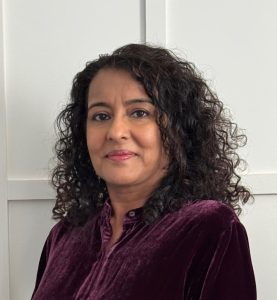
Ayla Lari, School Committee
Ayla Lari

Ayla Lari: I’m a longtime Wellesley parent who believes deeply in the power of strong public education. I grew up in Framingham and attended public schools myself, and my two children have been in Wellesley Public Schools since kindergarten at Sprague—one now in college and one in high school. Navigating the system as a parent has given me firsthand insight into what works well and where we can do better. I’m running to help ensure every student feels supported, challenged, and prepared for what comes next. My aim is for Wellesley Public Schools to feel more invested, more connected, and more responsive to the needs of our students and to close gaps between what we promise and what we deliver.

The Swellesley Report: What are your thoughts on the town splitting the town and school budgets at Annual Town Meeting?

Lari: I am neutral on separating the school budget for Town Meeting. The schools make up the largest portion of the town budget and deserve focused attention and thoughtful discussion. The schools are also an integral part of the town. The town and WPS have had a process in place for Town Meeting Members and the community to get insight into the WPS budget before Town Meeting. Separating the school budget may provide a clearer lens and additional opportunity to strengthen transparency, accountability, and public understanding. Either way, it is essential that we continue Wellesley’s strong support for education, while recognizing that we should always look for ways to use resources more efficiently and effectively for students.

The Swellesley Report: With investment in new initiatives limited under current town budget guidelines, how can the Wellesley Public Schools system ensure it is achieving goals set out in its Strategic Plan?

Lari: With limited funding for new initiatives, we have to be disciplined and creative. That means regularly asking, “Is there a better or smarter way to do this?” We should assess existing programs for efficacy, look for efficiencies, and make better use of underutilized resources before adding new costs. Investigating what actually improves student outcomes will help ensure we make meaningful progress without simply spending more.

The Swellesley Report: What worries you about the use of artificial intelligence in schools, and where do you see opportunities for Wellesley Public Schools to embrace this technology?

Lari: My biggest concern with AI in the classroom is that it can short-circuit the thinking process. Deep thinking, analysis, writing and problem solving are skills students develop through practice and struggle, and technology replaces that growth. Other concerns are that AI can be flat out wrong and that results can incorporate bias or other flaws depending on the underlying data and techniques used to train the AI. It should not be a tool of first resort. At the same time, AI can be a powerful tool when used thoughtfully—allowing for personalized learning, helping students get unstuck, and generating extra practice, for example. I see it as a support for learning, not a substitute for thinking. On the administrative side, AI can be a tool for analysis, to give insight into what we can do better.

The Swellesley Report: How can voters reach you and learn more about your campaign?

Lari: Please see my campaign website. 


Michael Robert Cave, PhD

 
The Swellesley Report: Please introduce yourself to The Swellesley Report’s readers and share why you are running.

Michael Cave
Michael Cave

Michael Robert Cave, PhD: My 57 years in K-16 public and private education as a teacher and administrator, gained as a teacher at Wellesley High School and elsewhere as a classroom teacher, public school administrator and college professor in Massachusetts, Connecticut, New York State and North Carolina enable me to make an important contribution to the already superb Wellesley Public Schools as a School Committee member. This experience enables me to view an issue from the perspective of both an educator and administrator. I also have the academic training needed for productive contribution to the role of School Committe member as I hold three (3) advanced degrees: Master’s and Ph.D degrees in language, and a second Master’s degree from the Harvard University Graduate School of Education in Administration, Planning and Social Policy.

The Swellesley Report: What are your thoughts on the town splitting the town and school budgets at Annual Town Meeting?

Cave: Splitting the Town and School budgets is a return to a pratice last seen nearly 50 years ago. I view this change as a very postive way to highlight the costs of operating our school system along with the educational priorities implicit in the budget. This will eanble our citizens to make informed decisions about budgetary and educational priorities.

The Swellesley Report: With investment in new initiatives limited under current town budget guidelines, how can the Wellesley Public Schools system ensure it is achieving goals set out in its Strategic Plan?

Cave: The Strategic Plan stresses district capacity-building in key areas over expendures of fiscal resources. Thus: no additional fiscal resources should be needed to carry out the Plan.This is consistent with my vision of making the WPS a true “learning orangization” as outlined in the writings of Peter Senge. (Authors of:The Fifth Discipline and Schools That Learn). The Plan itself contains the metrics by which achievement of goals can be measured and assessed.

The Swellesley Report: What worries you about the use of artificial intelligence in schools, and where do you see opportunities for Wellesley Public Schools to embrace this technology?

Cave: AI can be helpful and time-saving for teachers when used to plan lessons and in carrying out other time-consuming clerical tasks. Administrators may also use AI to save time completing tasks such as scheduling, report creation, and other lower-order tasks. Time so saved can be reinvested in higher-order tasks such a creating the capacity required to move the Strategic Plan forward. However, AI can be harmful to learning when students use it to take shortcuts merely to get a learning task done and off the table rather than learn from it. The actual learning takes place when students need to work through a task from start to finish. Both students and educators need to use this technology judiciously in order for its use to be truly beneficial.

The Swellesley Report: How can voters reach you and learn more about your campaign?

Cave:  781-237-4741 (phone), or email mcave10@gmail.com

Filed Under: 2026 Town Election, Government


Advertisements

black & blue, Wellesley
Olive Tree Medical, Wellesley
Haskins Automotive, Wellesley
MIT Museum, Cambridge

Meet the 2022 Wellesley School Committee candidates

February 24, 2022 by admin

The Town of Wellesley depends on the active participation of its citizens in governance of the Town. Wellesley has 11 Boards and Committees on the ballot at the Annual Town election each year in March. The 2022 election will be held on Tuesday, March 1.

There are two candidates running for one open 3-year term on the School Committee. The five-member Committee is made up of local residents. The Committee’s responsibilities are to develop and manage school policies; support the allocation of resources by overseeing budget and facilities; hire and review the superintendent of schools; and advocate for the school district.

The School Committee candidates are Neal Glick and Craig Mack.

The Swellesley Report invited the candidates to answer a few questions about their priorities for the Town of Wellesley.

Both candidate interviews appear in this post in the order in which their names appear on the ballot.


Neal Glick, candidate for School Committee

Neal Glick, candidate for Wellesley School Committee

The Swellesley Report: Please introduce yourself to readers.

Neal Glick: My family moved to Wellesley over 16 years ago, in part for the terrific public schools. I am a father of four, with three kids who have attended Wellesley Public Schools (WPS). As the product of an excellent public school education which led me to a degree from Princeton, and a former teacher, I am a strong proponent of public education. My oldest son went through the entire system and graduated from the High School. My youngest is in elementary school at Sprague. I served as a member of the Planning Board and the Wetlands Committee. I am pro bono counsel to the Wellesley Land Conservation Trust. I coached Little League, love being a “Hockey Dad” and I participate in the PTO. My service as a Trustee of the Boston Architectural College taught me a great deal about what is in store for our kids after high school. I practice law in Town.

TSR: If elected, what do you hope to accomplish on the School Committee?

Neal Glick: Simply put, positive change. WPS needs a course correction. The metrics are clear. Enrollment has declined more than 18%. Parents are voting with their feet. Rankings are falling drastically, from a High School ranked #4 in the State in 2014 to 26 today, with the Middle School ranked even lower, indicating further decline ahead. MCAS scores are down, especially in the “Exceeds Expectations” category. The number of AP course offerings at the HS is constantly decreasing. Our peer communities are cleaning our clock. Our extraordinarily excellent teaching corps is being depleted and replaced with substitutes. Tutoring businesses are growing on Washington Street. This is not a hidden agenda. When asked recently about academic decline, the Principal of the Middle School stated that it was “unfair” to judge school quality on “academic performance.” We need to change that attitude to make academic performance Job 1.

Meanwhile, per the Advisory Committee, per pupil spending has gone up since 2016 over $5,000 to a proposed $21,250. But is this money going to our kids? No. While enrollment has declined by 18.3%, the number of WPS employees has increased by 51. And parents are being ignored. There is no transparency. When questions about curriculum are asked, the School Committee and Administration ignore the requests. Questions about politics in the schools or other legitimate topics are not responded to. As a Select Board Member recently told me, “talking to the School Committee is like talking to a brick wall.” Finally, the School Committee has recently garnered a great deal of negative publicity. The Committee and WPS officials recently had to admit violations of student civil rights and settle a lawsuit in federal court. The mishandling of a horrible assault on a student received regional press—all bad.

We can stick our heads in the sand and pretend that the status quo is great and these issues don’t exist. We can pretend that the priorities of ideology and academic theory are more important than academic rigor and critical thinking. Or, we can start to bring change. If elected, I will push for: a change in emphasis to achievement of academic excellence for all students, giving every kid in the system equal opportunity to reach their full potential; replacement of “Russian Math” with “Wellesley Math” in the public schools; academic freedom for all students and teachers, full diversity of thought and keeping our public schools free from political bias; ensuring that students are not divided into groups, but are unified in their mission to learn; transparency, respect and responsiveness for parents, opening up Committee meetings to the public, in person; eliminating the administrative bloat in WPS through vigorous oversight and work with Advisory; reigning in budget excesses so that funding is available for excellence in teaching and academic performance; creating a safe environment, physically and emotionally, for all students; and insisting on a full and frank assessment of the reasons for enrollment decline and outreach to parents to keep their families in the system.

TSR: As we go into our third calendar year of the pandemic, mental health issues are at the forefront of educators’ minds. How best can the system support students’ mental health?

Neal Glick: Like it or not, the reality is that we are entering onto the off-ramp of COVID restrictions in schools. One can argue about how the last two years have been handled, but what’s done is done. Looking to the future, we need to recognize that our kids have been through a lot. They have been exposed to fear. They have missed time in school. Learning has been interrupted. They have missed athletic competitions, rights of passage and many of the rituals or events that give memories for a lifetime in normal times. They have not been allowed to be just kids. Again, we need to change. We cannot just assume that kids will go back to normal and return to February, 2020. They will need support.

That support starts with parents. The School Committee has to reach out to parents to ensure that there is proper, scientific information available as well as encouragement for handling the effects of COVID restrictions at home. It also entails listening to the kids. Discussions need to occur, in schools and in the home. The input of our children is key.

We need to marshal our existing resources. We have extraordinary teachers. We have school psychologists and, as noted, we have engaged parents. We have a strong Board of Health. With proper planning, we can work together to help our kids through the transition back to the “old normal.” We can learn from other systems in other states and parts of the world who may have already taken the COVID off-ramp, and the published studies on those efforts. Much of this can be done in-house. If outside advice is necessary (and it may well be) then it needs to be viewed as a supplement and not a “go-to” response.

Finally, we need to make the COVID off-ramp a learning experience. We teach science in our schools. All of us, kids included, have lived over the past few years in one of the most significant scientific endeavors in our lifetime. Our kids can study this. They can think about options for handling the effects of the pandemic on them and others. This can be a healing effort as well as a terrific “teachable moment.” We might end up with some future virologists, epidemiologists and public health experts.

TSR: Is there anything else you’d like to say that the above questions did not cover?

Neal Glick: In a word, community. Public schools are the backbone of our community. They are a source of community pride. The kids in the schools are best friends, teammates, bandmates and lifelong acquaintances. Out teams and athletic competitions bring us together. By virtue of the steep and continuing enrollment decline we are losing that sense of community, as neighbor kids drift off to private schools. Wellesley will lose a great deal if we allow this to continue. We need change and we need it quickly.

Similarly, if we allow the schools to decline academically, we will cease to be a magnet for young families looking for a wonderful town with excellent public schools. Academic excellence, ratings and metrics matter. If we do not change course, eventually our community will suffer. Our property values will suffer as well. Thus, everyone in Town has “skin in this game,” whether you have kids in the system or not. The change that we need will impact us all.

TSR: How should they reach you if they want more information?

Neal Glick: Simple. NealforSC.com is our website and has a great deal of information. Nealforsc@gmail.com also allows for easy and direct email communication. You can find us on Facebook as well.


Craig Mack, candidate for School Committee

Craig Mack, candidate for Wellesley School Committee
Craig Mack, candidate for School Committee

TSR: Please introduce yourself to The Swellesley Report‘s readers.

Craig Mack: My name is Craig Mack and I am honored to be a candidate for Wellesley’s School Committee. I am running because I have a desire to contribute to the town’s education system in a constructive and positive manner. For me, this work is both deeply important and deeply personal. I am the proud father of four strong, independent women. My oldest daughter graduated from Wellesley High School in 2020. My other daughters are in grades 12, 9, and 8 in the Wellesley Public Schools. This is the basis for my pride in the school system and my desire to be involved. Between my children’s education and my 28-year career in higher education, I have a unique perspective to contribute to the School Committee.

My family and I have lived in Wellesley for ten years and my wife is a lifelong Wellesley resident. I am originally from the great state of Ohio but I relocated to New England 28 years ago to work at Boston University. Since that time, I have worked at two other higher education institutions while advancing my professional career. I have worked in both student services and academic affairs where my focus is always about academic success and student well-being. My professional roles have always centered on the well-being and success of students.  I currently serve as the Associate Provost for Student Achievement & Success at the Massachusetts College of Pharmacy & Health Sciences.

I have committed my life and my life’s work to education and student success. We can all agree we want the best for our schools and our children. My career has been focused on bringing people together. For the many issues that face the School Committee in the years to come, I am committed to carefully considering all perspectives of our community members to inform my recommendations and decisions. I would be proud to represent the interests of all members of our community. I am energized by this exciting opportunity and I would be honored to bring my passions, experiences, and commitments to this role.

TSR: If elected, what do you hope to accomplish during your tenure on the School Committee?

Craig Mack: I would like to recognize that this is a collaborative role, one that requires discussion, active listening, and partnership. While a candidate cannot make promises regarding policy outcomes, I can share my values and beliefs that will guide me in the role. First and foremost, I intend to keep the focus on academic excellence while developing the whole student. As we continue on the path to recovery from the pandemic, it is critically important to support students’ mental, emotional, and physical well-being. These are not mutually exclusive.

Other issues that will be a part of my work include:

  • Creating a more effective line of communication between School Committee members, school administrators, parents, and students. The schools remain a top reason why people choose to live in Wellesley. Your voices and contributions are important to the growth and success of the schools.
  • Creating more room for student input so that we can better understand their day-to-day experiences.
  • Ensuring our students and graduates develop empathy and understanding for others by strengthening our passion for celebrating different backgrounds, experiences, and cultures.

TSR: As we go into our third calendar year of the pandemic, mental health issues are at the forefront of educators’ minds. How best can the school system support students’ mental health?

Craig Mack: Academic success and socio-emotional well-being go hand in hand. Our students cannot succeed academically if their social, emotional, and developmental needs are not being met. As we discuss every issue and consider all perspectives (community members, teachers and staff, parents, taxpayers, etc.), these discussions must always prioritize the needs of the students, whose education and well-being are entrusted to us.

We have yet to understand the full effect of the pandemic on our students and schools. Our school system needs to remain nimble and well equipped with the resources necessary to support the areas that most benefit students’ developmental needs and academic success. This is why student input is so crucial. We can only best support our students if we are actively engaged in listening to their experiences and needs. Let us tap into current resources such as school counselors, psychologists, social workers, and other experts who do this work with our students every day. Let us deploy Adjustment Counselors in all of the school buildings as part of our Pandemic Recovery Plan, and let us commit to keeping these roles as long as their support is needed by our students. While making use of the full potential of current resources and programs, we should expand upon these initiatives and make them core to our pandemic recovery. Let us collaborate with and listen to the students to find out what more we can be doing to best support them.

TSR: Is there anything else you’d like to say that the above questions did not cover?

Craig Mack: The Wellesley Public Schools are a major contributor to our robust community where we have all chosen to live and raise our families. As we look to the future, the School Committee and School Administration will need to foster flexibility and creativity in the schools’ use of constrained resources among competing priorities including:

  • Financial resources;
  • Personnel, especially teachers and administrative staff;
  • Physical resources, including buildings, capital equipment, electronic communications equipment, etc.; and,
  • The inevitable variation in the size, composition, and needs of the student population.

The Wellesley Public Schools need someone to galvanize the resources to preserve and improve our schools. I am that candidate. I look forward to the opportunity to serve on the School Committee and contribute to Wellesley’s future and its success.

TSR: How should voters reach you if they want more information?

Craig Mack: I truly appreciate your time and the opportunity for you to get to know me better! Please visit my campaign website at www.craigmackforwps.com or contact us at craigmackforwps@gmail.com.


  • Subscribe to Swellesley’s daily email

Filed Under: 2022 Town Election

Page Waterman, Natick
London Harness, Wellesley
Rotary Club, Dinner On Us

Your vote counts on March 6 — meet Wellesley’s 3 candidates for School Committee

March 5, 2018 by Deborah Brown

The Town of Wellesley depends on the active participation of its citizens in governance of the Town. Wellesley has 11 Boards and Committees on the ballot at the Annual Town election each year in March. The 2018 election will be held on March 6.

We invited the three candidates for the two open positions on the School Committee to answer a few questions about their qualifications and their priorities for the Town of Wellesley. Here’s what they told us:

Ronald Alexander is running for School Committee.

Ron Alexander, SCHOOL COMMITTEE

The Swellesley Report: What is your background and what qualifies you for this position?
Ron Alexander: I am an 18 year resident of Wellesley and proud parent of 3 children, 2 who have completed their journey through the Wellesley Public Schools. I have a wealth of experience with the Wellesley school system from the perspective of a parent and a taxpayer, and I have witnessed the changes that have occurred over the past 18 years in the quality of education and the cost to Wellesley taxpayers. I also have much experience with the history and operation of the School Committee as an observer and active public participant in the process, and I have seen what works and what does not work with the School Committee.

SW: If elected, what do you hope to accomplish on the School Committee?
Alexander: Over the past several years, the School Committee has become an insular body, closed off from the people it was elected to represent. It has instituted a Citizens Speak policy that prevents dialog. It constantly fights requests for public information. It has violated both Open Meeting Law and Public Records Law dozens of times. It does not respond to questions, nor does it answer phone calls or emails. Our public bodies should be above reproach, but somehow the School Committee has gotten the idea that it is above the law. I will do everything I can to restore the rule of law to the School Committee and return it to serving the community that it is supposed to represent, rather than the entrenched bureaucracy that has become its master.

SW: What is your hot-button issue?
Alexander: Transparency, Transparency, Transparency. The School Committee must stop withholding public information, must stop convening illegal executive sessions, and must stop engaging in crony politics that are loaded to the gills with Conflict of Interest, such as Sharon Gray and Matt Kelley being members of both the School Committee and the HHU/SBC committees. I would also vote to scuttle the current HHU/SBC plan that involves losing the Hardy School and costing the Town millions of dollars in unnecessary expenses for “swing space”, and which flies in the face of all of the evidence of new housing developments in the Hardy neighborhoods.

Alexander’s website is here. 

Linda Chow, School Committee
Linda Chow is running for School Committee.

LINDA CHOW — SCHOOL COMMITTEE

The Swellesley Report: What is your background?

Chow: I am a 24-year resident of Wellesley with two sons who benefited greatly from a WPS education; BA (Chemistry and Chinese Studies), Wellesley College; MBA, Harvard University; Early career in technology: ~20 years at Cambridge Technology Partners in its various forms (from startup to publicly-traded company later acquired by Novell).

In last 10+ years, my focus shifted to education, leadership and youth development: Work as part-time contractor for Harvard Business Publishing to design and develop Leadership Development curriculum; Previously served on: WMS PTO (Co-VP and Co-Pres); Wellesley Education Foundation (Co-VP; Co-Pres. 4 out of 6 years); Wellesley Youth Basketball (Treasurer 2 out of 6 years); Currently serve as: board chair for Teachers21; board member on Wellesley Scholarship Foundation.

SW: What qualifies you for serving on School Committee?
Chow: For the past 10+ years, I have been able to leverage my results-driven orientation, knowledge, skills and experience – all gained in the business world – to help advance several mission-driven organizations. Through my experiences leading organizations dedicated to supporting our schools (i.e., WMS PTO and WEF) and a short-term program management stint in WPS’s Central Office, I gained first-hand knowledge and appreciation for the opportunities and the challenges facing the district. At WEF, some projects in which I was involved include: Development and publication of WPS’s 2013-2019 Strategic Plan; Co-chairing of Superintendent Advisory Committees (SACs) which: 1) Developed District Progress Report, and 2) Provided Computer Science K-12 curriculum recommendations; STEM Expo and CreateAthon (continued involvement on emeritus basis).

In business and throughout my nonprofit service, my approach is: Dedicated and Strategic – Commitment to supporting and advancing mission-driven organizations; strategic planning experience for nonprofits (WEF, WPS, T21); Collaborative and Compassionate – Ability to collaborate with multiple stakeholders and consider various viewpoints; Results-Driven and Pragmatic – Track record of rolling up my sleeves to get things done; experience as nonprofit treasurer; Analytical and Experienced – Ability to go between strategic and detailed, operational thinking; program and project management experience.

I welcome the chance to further support our schools by lending my commitment to excellence, my collaborative style, and my leadership experiences gained in business and 10+ years of nonprofit service to the important work of the Wellesley School Committee.

SW: If elected, what do you hope to accomplish on the School Committee?
Chow: As with other boards on which I serve or previously served, my hope would be to bring my dedication, skills and experience to help the School Committee accomplish its mission and goals. The School Committee exists to support the vision and mission of the Wellesley Public Schools, and is responsible to the people for whose benefit the school system has been established. If elected, I hope to contribute to each area of the Committee’s primary responsibilities which I would frame as follows:

Adherence to shared vision, mission and goals – in addition to helping formulate and refine WPS’s strategic plan, support establishment of those goals, programs, and procedures that will best produce the educational achievement needed by our students; Legal oversight – formulate and adopt policies, making decisions on the basis of declared educational core values and goals that are consistent with state laws and regulations; Financial oversight – recommend an appropriate budget which reflects wise management of resources available to the school system; Leadership and board oversight – evaluate progress and performance of the superintendent and of the committee itself.

There are some specific initiatives already underway or on the horizon important to supporting the first category above. They also serve as important resources for further strengthening communications between the District and the community, which I believe is a critical success factor for any school committee. Given my past involvement with the following initiatives, I would welcome the chance to assist with: Development of the next iteration of the WPS strategic plan: The District’s current effort to define what knowledge and skills our students need for success as global citizens beyond WPS will serve as important input into the next version of the plan; Publication of the annual District Progress Report: As I understand it, the inaugural version of the District Progress Report is due out in the coming weeks. As co-chair of the Progress Report SAC in 2015 and 2016, the report was designed to provide the community with both a framework and information for assessing the District’s progress towards implementing WPS’s Strategic Plan.

SW: What is your hot-button issue?
Chow: Fostering an inclusive school climate is a high priority for the district in my mind. When an online racial incident occurred early in the 2016-17 school year, rather than shy away from it, the schools and the community as a whole appear to have sought ways to learn from it and to take steps to foster a more inclusive environment. I commend the schools for bringing in consultants to conduct a race and diversity climate assessment. I hope to be able to directly support the schools’ efforts to further promote diversity and inclusion among faculty and students, by leveraging the findings from the race and diversity climate assessment as a guide for implementing positive change.

SW: Is there anything else you would like to say that the above questions did not cover?
Chow: When attending Wellesley College many years ago, I never imagined I would one day be living in Wellesley. But 24 years ago, my husband and I decided, like many couples before us, to move here primarily because of the schools. We are grateful that our sons Billy and Andy Kaplan benefited from an excellent education and have already shown they are well prepared for college and beyond. It would be a privilege to be able to give back and serve on School Committee in support of the entire community.

Chow’s website is here.

Sharon Gray, School Committee Candidate
Sharon Gray is running for School Committee.

SHARON GRAY — SCHOOL COMMITTEE

The Swellesley Report: What is your background and what qualifies you for this position?

Sharon Gray: First, I have direct experience with this position as a member of School Committee since 2015. Since being elected, I’ve learned an incredible amount about the operation of the Wellesley Public Schools, and have applied that knowledge as well as my independent, critical thinking to the work that we do. I served as Chair of the Committee during the 2016-17 school year, and have been deeply involved in a wide range of issues and projects, including budget development, facilities, policy review, and strategic planning for the future of our schools.

Since moving to Wellesley in 2010 with my family, I have been involved in many civic and school-related organizations. (An aside: I am consistently amazed by how many committed and engaged citizens we have in town.) I have been a Town Meeting Member in Precinct C since 2014, have served on the boards of the Wellesley Education Foundation and Committee 21, and was president and vice president of the Upham PTO.

Finally, I was a journalist for 20 years, and the skills I gained in my previous career have served me well in my role on School Committee. I believe strongly in engaging with citizens by both taking in feedback and providing information to the public in a clear and concise manner. I also tend to look at all sides when considering an issue, and am always looking to ask the right questions, either to help focus the conversation or dig up the extra bit of information that may make a difference.

SW: If elected, what do you hope to accomplish on the School Committee?
GRAY: I am very much committed to continuing the work I’ve been involved with for the past three years, and would be honored to have the opportunity to do so. On the teaching-and- learning side, I believe the Committee has voted strong budgets that support students and promote excellence, but we can always do more. Just a few examples: I'm looking forward to advocating for the addition of world language to the 6th grade curriculum, additional STEM opportunities, and more elementary math specialists. I would be delighted to have the opportunity to contribute as a Committee member to the creation of the district’s next strategic plan.

On the facilities side, as current Chair of the School Building Committee for the Hardy, Hunnewell, and Upham facilities project, I am – along with a handful of town board members and staff who have truly spent countless hours on this project – absolutely committed to getting these building projects moving forward. Every elementary student in town should have the opportunity
to have a facility that meets modern educational standards, and the current HHU schools fall well short.

SW: What is your hot-button issue?
GRAY: Personally, I tend to be less of an activist and more of a deliberative problem-solver who tries to take each issue as it comes and work carefully through it. Few things get me truly riled up. But there is no denying I’ve been deeply involved in one of the most hot-button issues in town: HHU. There is so much detail and data involved in this very complex master planning process, but it is also a project that inspires a lot of passion in people, and understandably so. Our very special schools, and our town’s educational philosophy as a whole, are why many if not most people move to Wellesley. (Myself included.)

I remain in strong support of the School Committee’s HHU Position Statement, which we voted unanimously in May. From here, we really need to get into the feasibility process in order to make more concrete decisions on where to build and what the buildings might look like. I am thrilled that we have been invited to partner on one building with the Massachusetts School
Building Authority, and look forward to addressing the question of whether to rebuild at Upham or Hardy through the MSBA process. I am also looking forward to the further study of the Hunnewell site. I know it will take many years, and that there will be tradeoffs and compromises and frustrations, but I truly want the end result to be something the community can be proud of.

Gray’s website is here.

Filed Under: Government, Politics, Volunteering

Wellesley Youth Basketball
Longfellow, Wellesley

Wellesley town government meetings for week of March 9, 2026: COA director hiring plans; Condo reviews; Advisory Committee on budgets; PBC on school solar panels

March 7, 2026 by admin

A sampling of Wellesley, Mass., meetings and agenda items for the week of March 9, 2026:

Council on Aging senior services director search subcommittee (March 9, 9am, online)

Executive Session for initial interviews of candidates and to continue to discuss initial candidates and qualifications for the position of Council on Aging Director of Senior Services under M.G.L. C.30A, §21(a)(8) since having the discussion in an open session will be detrimental to the COA’s ability to attract qualified applicants for the position, and that Haley Reddish from the Town of Wellesley Human Resources Department be allowed to participate and the subcommittee will NOT return to open session at the conclusion of the executive session

Board of Public Works (March 9, 5pm, online)

Recognition and Correspondence • Encroachment Policy Support • Drought Status Update • Contract Award: Automatic Gate Controller • Contract Award: Warren Park Playground Installation • FY27 Budget – Water & Sewer V5 • FY27 Enterprise Rate Recommendations • FY27 Enterprise Fund Financials – December • Town Meeting Preparation • DPW Monthly Report – February

Planning Board (March 9, 6:30pm, online)

Review and Approve Written Decision for 592 Washington Street Wellesley Square Commercial District Special Permit; Project of Significant Impact (PSI) a. PSI-25-04 – 592 Washington Street – Continued From 2/23/26 b. PSI-26-01 – 26 Washington Street

School Committee (March 10, 6:30pm, online)

Discussion: METCO Job Description; Discussion: AI Advisory Steering Committee & Working Group Update; Discussion: Facilities: Air Conditioning, Hardy & Hunnewell Solar, Facilities Master Plan Task Force; Discussion: Policy JECA – Middle School Pathway Exploration Amendment; Discussion: Policy Subcommittee Policies: JBB – Educational Equity; Discussion/Vote: Updated School Committee Roles: Vice Chair, Policy Subcommittee Member, Climate Action Committee Member, Mobility Liaison, Student Nutrition Advisory Committee (SNAC) Liaison, AI Steering Committee Member

Select Board (March 10, 6:30pm)

Discuss and Vote Traffic Recommendation for PSI-26-01 at 26 Washington Street (First Citizens Bank project); Annual Town Meeting (ATM) Preparation; Executive Session (not public):  M.G.L c. 30A §21(a)(3) to conduct strategy with respect to negotiations with the Wellesley Firefighters, IAFF, Local 179

Advisory Committee (March 11, 6:30pm, Town Hall)

Discuss and Vote ATM Warrant Articles* • Article 2 – Town Wide Financial Plan & Five-Year Capital Budget Program • Article 3 – Consent Agenda • Article 7, Motion 1 – Snow Supplemental • Article 8, Motion 1 – MLP Contribution • Article 8, Motion 2 – FY27 Municipal Operations Budget • Article 8, Motion 3 – FY27 School Budget • Article 8, Motion 4 – Free Cash to balance the FY27 Budget • Article 21 – Comprehensive Plan • Article 32 – Amend the Residential Incentive Overlay (RIO) District *Note: Articles may be discussed and voted out of listed order.

Council on Aging Board (March 11, 4pm, online)

Funding for consultant to assist with search for Director, Senior Services (Vote)

Natural Resources Commission (March 12, 7pm, Town Hall)

Recap FY26 Annual Goals and Initiatives ▪ Town Meeting Preparation ▪ Arts and Craft Swap Sponsorship; Project Updates: Pond Dredging Update, Land Conservation Plan, Miyawaki Forest, Ouellet Field

Permanent Building Committee (March 12, 7:30pm, online)

Warren Building HVAC Project Update; Department of Public Works Recycling & Disposal Facility Administration Building Project Update; Morses Pond Beach and Bathhouse Project Update; School Solar Panel update and discussion

Recreation Commission (March 13, 8am, online)

Morses Pond Operations 2026; Summer Camp 2026 update; WellesleyVeterans Parade: Commission representation; Trail conditions and potential recreation programming support

YES, sign me up for Swellesley’s free weekday email newsletter

Filed Under: Government

Wellesley Symphony Orchestra
Wellesley Marketplace 2026
Local government

Wellesley 2026 election results: Incumbents Sullivan Woods, Ulfelder return to Select Board; Panagopoulos, Sullivan to join School Committee

March 3, 2026 by Bob Brown

According to unofficial election results released on Tuesday night, Wellesley Select Board incumbents Beth Sullivan Woods and Tom Ulfelder retained seats for their fourth terms in what was a tense three-candidate race. Contender Marc Charney, seeking to bring a new perspective to a board he said was too set its ways, finished third; he’ll remain chair of the Planning Board.

(Update: Official results)

Sullivan Woods was the top vote getter with 2,624, and won all eight precincts, according to the unofficial results (write-ins and ballots that need to be researched will be added by the end of the week). She was followed by Ulfelder with 1,969 votes and Charney with 1,576.

The incumbents earned new three-year terms on the Select Board, which serves as the town’s chief executive body.

Sullivan Woods in the Select Board race emphasized making sure resident voices are heard on budget and other issues. Ulfelder said his experienced leadership would be valuable as the town faces challenges on the budget, capital spending, and housing and commercial development fronts.

Unlike with the Select Board, none of the four candidates in the only other contested town-wide race—running for two School Committee seats— were incumbents.

The top two vote getters were Costas Panagopoulos with 1,967 and Bob Sullivan with 1,803, both of whom earned three-year seats on the School Committee, which develops and manages school policies, and much more. Panagopoulos led voting in six of 8 precincts, with Sullivan capturing the other two.

Candidates Ayla Lari tallied 1,489 votes and Michael Robert Cave received 703.

Panagopoulos, a PhD, is a political science educator at Northeastern University, while Sullivan has a background in finance and business. And yes, it was a big night for the Sullivan family overall, as Bob Sullivan and Beth Sullivan Woods are siblings.

Overall, 20% of registered voters cast ballots (up from 17% last year).

Among the uncontested races, Mark Kaplan remains town moderator, Odessa Sanchez stays on the Housing Authority board, and Stephen Burtt is back with the Board of Assessors. New office holders include Maria Gallo Ashbrook and Aunoy Banerjee on the Board of Library Trustees, Joseph Schott and Melinda Arias-Voci on the Natural Resources Commission, and Susan Ecklund on the Board of Health.

See the complete unofficial results for all town-wide and Town Meeting seats.

Congrats to all who ran for office as well as everyone who voted and helped to run the town election.


YES, sign me up for Swellesley’s free weekday email newsletter

Filed Under: 2026 Town Election, Education, Government

Wellesley Select Board candidates discuss housing, business & more at Chamber debate

February 27, 2026 by Bob Brown

The Charles River Regional Chamber on Friday morning hosted an online Wellesley Select Board candidate forum just ahead of the town election on Tuesday, March 3. A few dozen people attended the event live; we’ve embedded a recording below.

Candidates Marc Charney, Beth Sullivan Woods, and Tom Ulfelder shared thoughts on everything from the MassBay development plan to commercial tax rates and from economic development and to housing realities.

The debate format was designed to generate more back-and-forth than earlier candidate forums from Sustainable Wellesley and the League of Women Voters of Wellesley.

About half of Wellesley voters typically send in their ballots by mail, so for those you who haven’t done that yet or who plan to vote in person, this forum gives you one last look at the candidates.


Meet the Select Board candidates

Filed Under: 2026 Town Election

Wellesley ‘Meet the Candidates Night’ hits on pressing town, school topics

February 20, 2026 by Emma Mullay

candidates forum wellesley
Select Board candidate panel (photo by Emma Mullay)

 
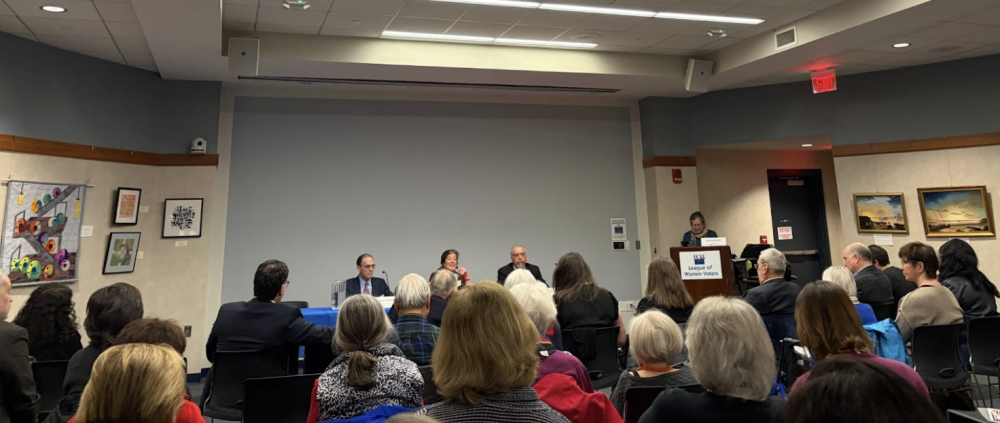
It was a packed auditorium at the Wellesley Free Library on Feb. 12 as 15 candidates for the upcoming local elections discussed everything from ICE to AI in education to the local economy.

Candidates for the contested races, Select Board and School Committee, addressed the school’s growing budget amid dwindling enrollment, the MassBay Forest development proposal and answered an audience question about whether the town would be willing to sign an order preventing ICE from using municipal land, among other things.

(See Wellesley Media recording of the Feb. 12 forum.)

Development

 
Hope Crosier, a Wellesley resident of about 20 years, said she is concerned about development in the community and the speed with which that is happening.

“Development is a big issue,” she said. “How it’s changing the landscape of the town is really so steep and fast that that’s an important topic.” 

All three candidates running for Select Board spoke out against the state’s MassBay Community College development proposal, which has sparked concerns that the nearby forest may be impacted. State officials have indicated the 40-acre forest abutting the 5-acre parking lot at MassBay won’t be built on, but town officials and residents still have plenty of questions for the state about its plans.

“None of us wanted this to happen — ever. We thought the forest was ours forever,” incumbent Beth Sullivan Woods said.

The development, which would be used to add housing units, comes after Gov. Maura Healey signed the Affordable Homes Act in 2024 and allowed for surplus state land to be used for the purpose of adding additional housing. The forest is included in the area determined as surplus. 

“I don’t think that the state should have the right to interfere with how this community decides how we build out our housing stock,” incumbent Tom Ulfelder said. “That property should not be the next target for the state.”

The League of Women Voters hosted the event, Meet the Candidates Night, ahead of the March 3 election. Susan Flicop moderated the conversations, which allowed all candidates, regardless of whether their race was contested, to give an opening and closing statement, as well as answer questions, selected and written by the League of Women Voters, related to their position. There are 11 total races, but only nine had candidates present. The audience was allowed to ask questions of the candidates of the two contested elections as time allowed. 

DEI Audit

 
When Flicop asked the candidates about a DEI equity audit that Town Meeting funded, Marc Charney, the current Planning Board chair who is running for Select Board for the first time, said he would use the results of it as a “governance tool” to inform how they interact, engage and communicate with the community. 

Sullivan Woods answered the question by highlighting the need for a strong community and neighborhoods to ensure that everyone feels engaged. She said she was “struck” by the fact that “only 39% of the community members feel that their voice is important to the government when we make policy decisions.” 

Ulfelder focused more on the employment aspect of DEI in his response, saying he supports “HR policies aimed at creating a diverse and welcoming work environment.”

ICE

 
After the moderated questions, an audience member, who described recently moving to Wellesley from Minneapolis, asked the candidates about their stance on signing an order to prevent Immigrations and Customs Enforcement officers from using municipal properties. 

“I do not know whether we can prohibit federal officers from being on municipal land, because it’s public land, but we do everything possible to ensure the safety of every resident and member of this community,” Sullivan Woods said. 

In his response to the audience question, Ulfelder proposed an open meeting with community members and the police department, noting that “that conversation would go a long way” towards reassuring the community while still ensuring that the town is following state and federal regulations. 

Charney said he agreed, describing how he believes “working with our police department, having more dialogue with residents, particularly at this moment in time, would go a long way towards addressing fears and concerns that folks have,” while also acknowledging the limitations that come with state and federal laws. 

Schools

 
Four candidates running for two open seats on the School Committee also spoke at the library event — Bob Sullivan, Michael Robert Cave, Costas Panagopoulos and Ayla Lari. None are incumbents. 

Each of them said it was important to add air conditioning to the schools and prioritize student facing positions—acknowledging how the budget has continued to increase over the past few years while enrollment has fallen. 

“There should be equity across our elementary [schools] and across the school system in terms of the kinds of environments in which student learning occurs,” said Panagopoulos. “I would support policies and efforts that would ensure that we do have that kind of equity and that there are learning environments conducive to improving student learning.” 

An audience member asked the candidates about the growing number of administrators amid lower enrollment. 

The candidates also discussed the role of AI in education, particularly elementary education, and most were worried about how introducing that technology at such a young age could potentially be detrimental in the long run. 

Eight other candidates for uncontested races also spoke, introducing themselves and answering questions about their positions. 

“I want to do my part to understand the candidates,” Crosier said. “It was helpful to see them in person, because you can read a bio, you could read their comments, but actually being here in person and getting to know them a little bit more and how they respond to questions is helpful.”

Kelly McCoulf Norris, who has lived in Wellesley since 2020 and been a member of Town Meeting since 2021, said the schools and education system were also priorities and she was glad to see so much of the town involved with local government. 

“It’s great to have a lot of candidates running for those really two important boards,” she said. “I think that engagement in the town’s activities is really important. It’s one of the most important things for us in government to focus on.” 


  • Meet the School Committee candidates
  • Meet the 2026 Wellesley Select Board candidates

Filed Under: 2026 Town Election, Government

Advertisement

maverick ad sept

Wellesley Select Board, School Committee candidates share views on sustainability

February 15, 2026 by Bob Brown

A forum held this past week at the library by the volunteer-run Sustainable Wellesley organization gave Select Board and School Committee candidates a platform for sharing their views on all things green.

Wellesley Media recorded the Conversation with the Candidates event, which lasted about an hour, and that took place the night before the League of Women Voters of Wellesley’s Candidate Night, also at the library.

Select Board candidate Marc Charney, currently the Planning Board chair, cited efforts during his time on the latter board focused on long-term planning that includes environmental and fiscal responsibility. Incumbent Select Board member Beth Sullivan Woods, running for a fourth 3-year term, touted Wellesley’s willingness to be an innovator as well as to recognize changes that might be worth embracing. Incumbent Select Board member Tom Ulfelder, also seeking his fourth term, pointed to concrete actions he’s taking during his time in town government, including negotiating the electrification of the Nines apartments and supporting the electrification of town hall. The candidates also fielded questions about the state’s effort to get housing built on “surplus property” at MassBay Community College and how their votes as public officials have moved the needle on emissions reductions in Wellesley.

Sustainable Wellesley also includes information on its website about where the candidates stand on sustainability topics.

School Committee candidates—Bob Sullivan, Costas Panagopoulos, Ayla Lari, and Michael Robert Cave—also shared their level of commitment to sustainability, and commented on composting during a Q&A session. Sustainable Wellesley also posted answers from candidates to a couple of questions on its website.

During the forum, Cave said there’s an opportunity to influence generations to come on sustainability practices and issues. Lari said her family was into “reduce, reuse and recycle before it was cool,” citing the washing of Ziploc bags for reuse. Panagopoulos highlighted opportunities for the School Committee to be a partner in the town’s efforts to ensure climate justice and reduce greenhouse gas emissions. Sullivan said the School Committee needs to be smart about how it prioritizes and spends on its environmental initiatives, and that schools need to “model sustainable behavior for students.”


More: 

  • Meet Wellesley’s Select Board candidates
  • Meet Wellesley’s School Committee candidates

swellesley green ad

Filed Under: 2026 Town Election, Environment, Government

Next Page »

Tip us off…

Please send tips, photos, ideas to theswellesleyreport@gmail.com

Please support your local online news source with a tax-deductible donation by scanning the QR code or by clicking on it.

QR Code

Advertisements

Wellesley Square Merchants
Wellesley, Jesamondo
The Village Bank, Wellesley
Fay School, Southborough
Sexton test prep, Wellesley
Wellesley Theatre Project
Prepped and Polished
Perdocere, Wellesley
Wellesley HIlls Dental
Admit Fit, Wellesley
entering-swellesley-1
  • Bluesky
  • Facebook
  • Instagram
  • Twitter

Subscribe to our free weekday email newsletter

* indicates required

Most Read Posts

  • Daylight Saving Time ends this weekend
  • Wellesley Rotary Club "Dinner on Us" Raffle—donate today for chances to win big
  • Wellesley Holiday Happenings 2026-27
  • It's almost here—Village Churchwomen's Rummage Sale is Nov. 7th
  • 2026 Veterans Day activities in Wellesley

Click on Entering Natick sign to read our Natick Report

Entering Natick road sign

Recent Comments

  • Lee Connors on Obituary: Elizabeth “Libby” Frolich Bachman
  • David Lussier on Obituary: Elizabeth “Libby” Frolich Bachman
  • TSR fan on Riding off into the sunset with Wellesley Public Schools Athletic Director John Brown—in that golf cart
  • Robert Savage on Wellesley High boys’ soccer looks for strong fan support at Oct. 29 Senior Night game under the lights
  • Dawn on Felt great to do entire Lake Waban loop in Wellesley again

Upcoming Events

Nov 7
9:00 am - 12:00 pm

MassBay Community College Fall Open House

Nov 7
9:00 am - 1:00 pm

Wellesley Village Church Rummage Sale

Nov 7
11:00 am - 4:00 pm

Needham Open Studios, Fall Pop-up

Nov 7
6:00 pm - 11:00 pm

Wellesley High School Class of 1976, 50th reunion

Nov 8
1:30 pm - 2:30 pm

Wellesley Society of Artists presents painting demonstration with artist Don Demers

View Calendar

Links we like

  • Danny's Place
  • Great Runs
  • Tech-Tamer
  • Universal Hub
  • Wellesley Sports Discussion Facebook Group

© 2026 The Swellesley Report
Site by Tech-Tamer · Login