• Sign up for free email newsletter
  • Advertise
  • Donate to support our work
  • Events calendar
  • About Us
The Cashmere Sale, Wellesley
 
Pinnacle, Elaine Bannigan
 
Wellesley Hills Dental

The Swellesley Report

Since 2005: More than you really want to know about Wellesley, Mass.

  • Restaurants, sponsored by black & blue
  • Camps, sponsored by NEOC
  • Wellesley Square
  • Private Schools, sponsored by Prepped and Polished
  • Public Schools, sponsored by Sexton
  • Preschools, sponsored by Longfellow, Wellesley
  • School news
  • Kid stuff
  • Top 10 things to do
  • Business news
  • Worship
  • Letters to the editor
  • Guidelines for letters to the editor
  • Live gov’t meetings
  • Sports schedules & results
  • Deland, Gibson’s Athlete of the Week
  • Deaths
  • Housing
  • Medical providers—sponsored by FIXT Dental
 

Top Stories

ABL Fitness serving ‘booming demand’ for adaptive exercise
Town gov't meetings this week
Longtime athletic director retires

Advertisements

Needham Bank, Wellesley
FIXT
Down Under, Wellesley
 

Search Results for: meet the select board candidates

Election 2026

Meet the 2026 Wellesley Select Board candidates

February 13, 2026 by admin

Wellesley depends on the active participation of its citizens in governance of the Town. Wellesley has 11 Boards and Committees on the ballot at the Annual Town election each year in March. The 2026 election will be held on Tuesday, March 3.

There are three candidates running for two open three-year terms on the Select Board, which serves as the chief executive board of the Town, and as such, oversees all matters affecting the interest and welfare of the community. The five-member Board exercises the authority vested in the Town not specifically assigned by law to any other board or office.

The Select Board candidates, in ballot order, are:

  • Marc Charney
  • Beth Sullivan Woods
  • Tom Ulfelder

The Swellesley Report invited the candidates to answer a few questions about their priorities for the Town of Wellesley.


Marc Charney


The Swellesley Report: Please introduce yourself to The Swellesley Report’s readers and share why you are running.
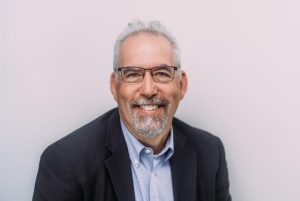
Marc Charney, Wellesley Select Board candidate
Marc Charney

Marc Charney: I am running for the Wellesley Select Board because our Town is at an important crossroads and needs steady, principled leadership. My family and I moved to Wellesley in 2003, where we restored a modest home, raised our three children, and built a small business renovating older houses into energy-efficient, sustainable homes. That experience shaped my commitment to thoughtful planning, fiscal responsibility, and protecting neighborhood character.

I have served three years on the Historic Commission, four years on the Planning Board—where I currently serve as Chair—founded and served on the RIO Task Force, and currently serve as a Town Meeting Member. These roles have required listening carefully to residents, balancing competing priorities, and making difficult decisions grounded in facts and long-term impact.

I am running because Wellesley faces consequential choices in the years ahead, including significant capital spending and the proposed MassBay development. With hundreds of millions of dollars in projects under consideration, we must prioritize essential investments and guard against unsustainable tax increases. Residents deserve clear, consistent leadership rooted in transparency and sound judgment. If elected, I will bring an independent, thoughtful approach focused on fiscal discipline, long-term planning, and responsible stewardship of our Town’s resources

The Swellesley Report: What steps should Wellesley take to boost economic development in town?

Charney: Wellesley can boost economic development by focusing on thoughtful, character-preserving revitalization of its village centers. The town should prioritize high-quality design standards and encourage redevelopment of underutilized retail and office space into vibrant, walkable commercial districts anchored by locally owned shops, professional services, and destination dining. Streamlining permitting for small businesses, offering targeted façade or tenant improvement incentives, and curating a strong mix of tenants can help maintain an upscale, distinctive retail environment that aligns with community expectations.

In addition, Wellesley can leverage its affluence and strong civic culture by promoting year-round events, arts programming, and partnerships with local institutions to draw visitors and increase foot traffic. Strategic parking management, improved streetscapes, and well-maintained public spaces will enhance the customer experience without changing neighborhood character. By focusing on quality over scale and reinforcing its identity as a polished, village-oriented community, Wellesley can expand its commercial tax base while preserving the attributes residents value most.

The Swellesley Report: Wellesley has taken steps to address the housing shortage in town, from complying with the MBTA Communities Act to releasing a Strategic Housing Plan. What would you like to see the town accomplish on the housing front over the next few years?

Charney: Wellesley has met its legal obligations under both the MBTA Communities Act and Chapter 40B (the Comprehensive Permit Law), and we should acknowledge that meaningful progress has been made. Having complied with these state mandates, it is appropriate to pause and assess where we stand. Rather than continuing to add zoning capacity without reflection, the town should evaluate how recent changes are affecting our neighborhoods, infrastructure, schools, traffic, and overall community character—and, most importantly, whether we are truly meeting the needs of Wellesley residents.

As Chair of the Planning Board, I have requested funding to commission a comprehensive Master Plan to guide that assessment and chart a responsible path forward. A data-driven Master Plan would allow us to understand our housing inventory, demographic trends, and long-term needs—particularly those of our seniors who wish to downsize and remain in town. As part of that conversation, I do not support development on any portion of the 45-acre MassBay site, especially the forested areas, because I do not believe such development can be accomplished in a way that is in the best interests of Wellesley residents. By stepping back, gathering facts, and engaging the community in a thoughtful planning process, we can ensure that future housing decisions are strategic, locally driven, and aligned with Wellesley’s values.

The Swellesley Report: The Town is facing a substantial number of potential capital projects in coming years. How can Wellesley best balance the need for infrastructure improvements vs. cost of living here?

Charney: Wellesley is facing a wave of significant capital requests, and we need to begin with a broader principle: every major project must be evaluated through the lens of affordability and its impact on ballooning property taxes. Even in an affluent community, rising tax bills are affecting seniors on fixed incomes and families who want to remain in town long-term. Large capital projects are typically financed through long-term borrowing, and that debt service becomes a structural driver of higher property taxes year after year. If we are not disciplined about sequencing and prioritizing, we risk pricing out the very residents who have built this community.

For example, there has been discussion of a major overhaul of the Department of Public Works facility on Route 9, where the town stores plows, large trucks, salt, and other road maintenance equipment. While maintaining effective DPW operations is important, proposing to spend close to $1 million on a study to determine whether we should then spend approximately $100 million to replace garages and related facilities raises serious questions about proportionality and timing. Similarly, allocating $28 million to renovate sparsely used space at Town Hall deserves scrutiny. These examples illustrate the broader point: before advancing projects of this magnitude, we must rigorously assess necessity, explore scaled or phased alternatives, and clearly communicate the long-term tax impact so residents fully understand the trade-offs.

The Swellesley Report: How can voters reach you and learn more about your campaign?

Charney: https://charney4sb.org/ or email: campaign4charneysb@gmail.com


Beth Sullivan Woods


The Swellesley Report: Please introduce yourself to The Swellesley Report’s readers and share why you are running.
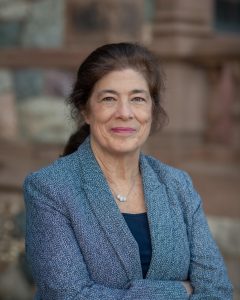
Beth Sullivan Woods, Wellesley Select Board candidate
Beth Sullivan Woods

Beth Sullivan Woods: Thank you Swellesley for providing this forum to provide the voters with insight about the candidates as they prepare to vote before or on March 3. My name is Beth Sullivan Woods and I have both very deep Wellesley roots and a passion for using my time and talent to help lead the Town as we make decisions that impact our future. I grew up in Wellesley with my three sisters and four brothers and was educated at Perrin, Upham, Wellesley Junior High and Wellesley High, as well as Brown University. My husband and I chose Wellesley as the town to raise our family in because of its many wonderful attributes; I am the proud mother of a Class of 2023 graduate from Wellesley High who is currently a junior at Skidmore College . Several of my family members—my mother and three siblings and their families—live in Wellesley.

Professionally, my background is in marketing research and strategic planning. I am in my 25th year operating my own business, partnering with clients in a wide range of business areas including healthcare, social justice, entertainment, and financial services. Previously, I led the Research and Strategic Planning departments at both Hill Holliday and Arnold Communications. The professional skills that my clients value—critical thinking, listening, problem solving, flexibility, responsiveness, budgetary accountability, and long-term vision—have been valuable to me in serving the Town as a member of the Select Board. I believe strongly in civic engagement and volunteerism and have participated in local non-profits in several ways, including serving on the Parent Council and as a room mother at St. John School, as a member and board member of Wellesley Hills Junior Women’s Club, and as a member and current President of Kiwanis Club of Wellesley.

In terms of involvement in Wellesley town government, I have served as a Town Meeting Member for Precinct D since 2009 and served three terms as an elected member of the Wellesley Free Library Board of Library Trustees including several terms as Chair. I have served on the Select Board since 2017 and am seeking re-election to a fourth term. As a member of the Select Board, my responsibilities have included serving as the liaison to the Board of Health, the Veteran community, the Celebrations Committee, the Recreation Board, Playing Fields Taskforce, the Youth Commission, Council on Aging, and the business community.

I am committed to ensuring that resident voices and perspectives are heard and represented as we deliberate on issues that affect our community. I believe we need to preserve and foster the character and services that drew all of us to make Wellesley our home and we need to manage our budget and stage capital investments in a fiscally responsible manner. I have an in-depth understanding of the Town budget and finances, as well as strong working relationships with our Town departments. I would very much appreciate the opportunity to continue to serve the community on the Select Board.

The Swellesley Report: What steps should Wellesley take to boost economic development in town?

Sullivan Woods: Our shopping districts and resources are an important part of what makes Wellesley an attractive place to live and visit. There are several areas that are important opportunities to boost Wellesley’s economic development, including the following:

1. The first step is for all of us who live and work here to patronize our local businesses—dine at our local restaurants, buy your insurance from one of our local agencies, purchase your gifts and supplies from local merchants, buy your food from our local groceries. Spending our dollars in Wellesley supports our businesses, keeps our Town strong, attracts new businesses, and makes the community attractive to visitors and potential new residents. In addition to the wonderful experiences they provide to us, these businesses generously support our community groups—PTOs, Veteran event, etc.

2. A second area is to look at our policies, regulations, and bylaws to ensure that they align with our desire to foster a vibrant business community. Several years ago, I was an active advocate on the Select Board to revisit our rules and regulations around eating establishments, with the goal of attracting a more vibrant restaurant community. This type of strategic review to understand barriers to attracting desired new businesses is an important part of maintaining economic vibrancy in our Town. There are new opportunities to support business growth which we need to pursue. Currently, I partner with the merchant community to assist them in planning activities and events like the ice sculpture stroll, Wellesley in Bloom, and July Jubilation to encourage local shopping.

3. A third area to look at is our streetscape and the type of experience we telegraph about shopping and dining in Wellesley. We need to address our aging roadway, sidewalks and crosswalks as well as ensure our “Tree City” status is celebrated as you travel through the Town. Town Meeting approved funding to design an update for Wellesley Square and this update is intended to address this opportunity.

4. A fourth area is to educate residents and businesses about the resources of the Town. We do not currently have a welcome packet or orientation for new residents so they can quickly learn about the local businesses, understand the value of our RDF and the revenue generated when residents recycle their waste, the volunteer opportunities, or the charitable organizations that are available to them.

The Swellesley Report: Wellesley has taken steps to address the housing shortage in town, from complying with the MBTA Communities Act to releasing a Strategic Housing Plan. What would you like to see the town accomplish on the housing front over the next few years?

Sullivan Woods: Wellesley has seen tremendous growth in housing over the past several years and has reached compliance on all State mandates. There are still several challenges facing the Town over the coming years:

1. Managing growth and its impact on the community: Large parcels of land on our major corridors have been recently sold or put under agreement and the proposed future development of these parcels is unclear. The Town is likely to see meaningful change with the conversion of the existing buildings over the coming years. It is important to negotiate with developers to achieve strong outcomes for the Town that represent the priorities of our community and neighborhoods.

2. From a housing perspective, I believe we should encourage development of smaller housing units/condos/apartments (900 sq ft to 1800sq ft-ish) that target “starter” and “downsizing” residents; the Town is losing residents to age-restricted/retirement communities due to lack of options in Town.

3. Communications with our residents about proposed projects has not been as strong as we would like and has caused significant frustration. As a Town, we need to identify a stronger, more proactive communications approach so that residents do not feel “left out” or “late to the party” on learning about proposed building projects. The project approval and vetting process is complex and the Town needs to provide a clearer overview to residents of the process, timeline and how to access the timelines and documents, so they are empowered to more proactively participate and stay informed. The lack of a local paper and the dispersed way in which information is obtained today creates meaningful challenges. We need to better leverage local resources like Swellesley, which has invested significantly over the past couple of years in government coverage, look at better leveraging neighborhood networks (school communication vehicles, neighborhood listservs, etc.) and create a more user friendly website strategy for new projects to help residents stay informed. The launch of the Town newsletter, the W, which can be subscribed to on wellesleyma.gov has been a valuable first step.

4. We need to improve the dialog with our residents about projects. Developments near your home or beloved areas of Town are stressful. Citizen speak at our government meetings is an opportunity for those of us serving the community to hear concerns. I believe there is an opportunity to incorporate a feedback loop that makes “citizen speak” more of a dialog, within the challenging constraints of State laws governing board meetings. I believe we should investigate opportunities like using community briefings and discussions more regularly at the beginning of projects, posting responses to citizen questions on the website and/or addressing questions from residents at the next meeting.

The Swellesley Report: The Town is facing a substantial number of potential capital projects in coming years. How can Wellesley best balance the need for infrastructure improvements vs. cost of living here?

Sullivan Woods: Wellesley is fortunate to be in a strong financial position, with strong cash reserves and a solid approach to evaluating projects. Each of our boards takes great care in evaluating their needs and working with the Facilities Management Department to create a 5-10 year view of potential capital projects. Each project goes through rigorous study and investigation to ensure it is designed for the Town’s current and future needs, and scheduled on the capital plan which is presented to Town Meeting annually. The plans are revisited regularly to prioritize all projects relative to the Town needs and our ability to financially support them. Our Advisory Committee vets project expenditures prior to Town Meeting, with the 240 Town Meeting Members providing a final evaluation and approval of the investments. We have recently completed the funding of two elementary schools – Hardy and Hunnewell – as well as Town Hall. As we approach additional meaningful infrastructure improvements, continuing to thoughtfully vet and support fiscal prudence and responsible investments will be critical. Taxpayers have recently approved significant debt exclusions to fund the elementary schools and we need to be mindful of managing the debt burden. I am committed to strong project vetting in terms of community buy-in, timing and financing strategies to avoid overrides as well as continuing to leverage our collaborative relationships with the other Town Boards to manage the growth of our budgets.

The Swellesley Report: How can voters reach you and learn more about your campaign?

Sullivan Woods: I am grateful for the opportunity to serve this wonderful Town and would appreciate residents’ support in voting on March 3 (or before using mail-in/early voting options). I can be reached at bethsullivanw@gmail.com and welcome the opportunity to engage with residents and members of our business community.


Tom Ulfelder


The Swellesley Report: Please introduce yourself to The Swellesley Report’s readers and share why you are running.
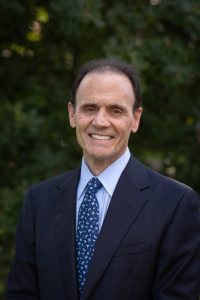
Thomas Ulfelder, Select Board candidate
Tom Ulfelder

Tom Ulfelder: I am completing my third term on the Select Board and I am currently the Vice Chair. I served as the Vice Chair of the HHU School Building Committee, served as the board’s appointee to the Sustainable Energy Committee (now the Climate Action Committee), and have been the board member representing the Select Board throughout the successful renovation of the Wellesley Town Hall and the Warren Building. I have developed excellent working relationships with many different constituencies and individuals throughout our many boards, committees, and departments by working successfully on many often difficult issues.

I am running for re-election to the Select Board because Wellesley is facing significant change, and the associated challenges require experienced leadership. A growing municipal budget, increased housing and commercial development, the need for adequate infrastructure, and the rising cost of major building projects all demand careful evaluation and planning. I have the skill, experience, and community relationships needed to guide these decisions.

I am a father of four children and have lived in Wellesley with my wife Jean for 28 years. I have been a Town Meeting Member since 2006, served on the Town Government Study Committee, the St. John-St. Paul Collaborative Parish Council, and as a board member of Wellesley Friendly Aid. I am an attorney in private practice following a lengthy career as an Assistant District Attorney and Assistant Attorney General in Massachusetts. I retired as Chief of the Special Prosecutions Unit in Suffolk County where I was responsible for prosecutions involving white-collar crime, public corruption, and police misconduct. Prior to my career as an attorney, I was employed as a hospital administrator and as a senior consultant with Arthur D. Little working on healthcare cost containment.

The Swellesley Report: What steps should Wellesley take to boost economic development in town?

Ulfelder: The steps Wellesley should take depend on the definition of economic development we choose to apply. In broad terms economic development is a process of creating and utilizing physical, human, financial, and social assets to improve the quality of life for a community. At a minimum, we must support a sustainable commercial and retail presence. This includes efforts to reduce traffic and assure convenient parking that encourages local shopping and dining. The Select Board is also focused on improving access to arts and entertainment including identifying appropriate venues for both. Attendance at galleries and performances helps drive retail and restaurant sales. Housing is a component as well as it generates customers and a vibrant local economy. There are different opinions about how best to address each of these components and resolving these differences is essential to moving forward with broad community support. The sale of the Haynes commercial properties, the Taylor Block, and multiple sites along Washington Street, and potential development through the MBTA Communities Act represent an opportunity Wellesley has not seen in years. The time is now for the Select Board, Planning, and the community at large to work together to determine what Wellesley will look like once this work is complete. We cannot reverse poor decisions once built so we are responsible for ensuring that the Town follows a careful, deliberative process that respects community values and Wellesley’s character both today and in the future.

The Swellesley Report: Wellesley has taken steps to address the housing shortage in town, from complying with the MBTA Communities Act to releasing a Strategic Housing Plan. What would you like to see the town accomplish on the housing front over the next few years?

Ulfelder: A critical step toward developing the right housing in the right place is the initiation of a strong and inclusive process of community engagement. We often hear that residents feel they learn of a residential development project too late in the process to participate meaningfully. The Planning Board is required to complete a new Comprehensive Plan every ten years and funding for a new plan is on the Warrant for the 2026 Annual Town Meeting. This is an important opportunity to engage the community and evaluate the types of residential projects the community will support. Residents have not expressed an unwillingness to build housing. Rather they want projects that are appropriate for the location, supported by the municipal infrastructure, respectful of our commitment to open space, and consistent with the character of the location and the Town. Compliance with the MBTA Communities Act required the elimination of certain permitting requirements that previously allowed greater oversight over the final project approved.. In addition, the Town is required to allow developers to build by right on the parcels acquired. These two factors lead to a level of uncertainty over what ultimately will be built. Completing the Comprehensive Plan will allow a shared vision to guide new or revised bylaws, establishing clear guidelines for developers before their development proposals move forward.

The Swellesley Report: The Town is facing a substantial number of potential capital projects in coming years. How can Wellesley best balance the need for infrastructure improvements vs. cost of living here?

Ulfelder: The Select Board has proposed a Capital Building Committee through which the Town will evaluate and prioritize all municipal capital projects. The Select Board has a five year capital plan, which looks at potential projects, methods of financing, and tax impact based on both timing and financing. I share concerns over tax impact and an evaluative process will ensure that the project is necessary and will evaluate alternatives that may be more cost effective. The prioritization needs to be enforceable and as presently written Town Bylaws permit any department to submit capital projects directly to Town Meeting. In the future, Town Meeting will be asked to consider a change in the Bylaws that would recognize the list of prioritized projects as the order in which they will be presented to Town Meeting. This will ensure that the Town and taxpayers understand and can plan for the tax impact associated with a project approved.

The Swellesley Report: How can voters reach you and learn more about your campaign?

Ulfelder: Voters can go to my website at WWW.electtomulfelder.com and reach me through my email, thulfelder1@gmail.com


More: Meet the School Committee candidates

Filed Under: 2026 Town Election, Government


Advertisements

black & blue, Wellesley
Olive Tree Medical, Wellesley
Haskins Automotive, Wellesley
MIT Museum, Cambridge

Meet the 2025 Wellesley Select Board candidates

February 20, 2025 by admin

The Town of Wellesley depends on the active participation of its citizens in governance of the Town. Wellesley has 11 Boards and Committees on the ballot at the Annual Town election each year in March. The 2025 election will be held on Tuesday, March 4.

There are three candidates running for one open three-year term on the Select Board, which serves as the chief executive board of the Town, and as such, oversees all matters affecting the interest and welfare of the community. The five-member Board exercises the authority vested in the Town not specifically assigned by law to any other board or office.

The Select Board candidates, in ballot order, are:

  • Odessa Sanchez
  • Kenneth C. Largess III
  • Michael Tauer

The Swellesley Report invited the candidates to answer a few questions about their priorities for the Town of Wellesley.

Candidate interviews appear in ballot order.


Odessa Sanchez

Odessa Sanchez


The Swellesley Report: Please introduce yourself to The Swellesley Report’s readers.

Odessa Sanchez: I’m Odessa Sanchez, and I have a long list of life experiences gained by studying and working in several fields and organizations. Among those roles, I’m also a proud grandmother, cheer coach, teacher’s aid, and dedicated local volunteer. The next role I’m suited for is honored Select Board member elect.

I grew up in Newton, but Wellesley is where I established deep roots for my family over the last 16 years. I’ve modeled my large family to be constant contributors to this community through various public school activities, sports and acts of service and kindness.

Wellesley is where we work, live and go to school. My neighbors know me from my active roles as PTO secretary at Fiske, Multi Culture Festival Committee member, School Council Parent at Wellesley High, POP Parent volunteer, and SJSP Collaborative Council Member.

I love Wellesley for its beautiful landscapes, academic pride, and endless volunteer opportunities. Wellesley is a great town, but I want to make it better however I can. I am skilled at working with people from all walks of life. I’ve practiced leading and collaborating on committees, with members with different viewpoints than mine, and I actively speak and listen to the people to find out what Wellesley may need.

A few strengths I would bring to the Select Board is an outstanding track record of dedicated service and the ability to work hard and lend my talents to each group I encountered. Another strength is I have the time and flexibility to be fully committed to this new role. I only work in Wellesley, so my commute is a short walk to Town Hall.

I was elected to represent Precinct E as a Town Meeting Member, and I have a perfect record of attendance. My community voted for me to represent them so it’s important to attend, testify, and cast votes.

I was also elected to be a commissioner on the Wellesley Housing Authority Board and I am currently the Chair. I’ve learned to review capital projects and monthly financial statements. I’ve also gained experience drafting and reviewing policies and public housing notices that impact the lives of our residents.

I consider myself a proven leader and approved elected official, but I haven’t stopped there, I’ve also been appointed to several other boards and committees in Wellesley and across the Metro West.

I serve on the Historical Commission and the Plaque Determination Sub-Committee. I’m the Chair of the Nomination Committee for the League of Women Voters. I’m a member of the D.E.I. Taskforce of Wellesley and the Wellesley Women’s Initiatives Committee.

I was a pivotal contributor on the first Wellesley International Women’s Day Celebration. My dedication to women of all ages has led me to be head coach for Varsity Cheer at Wellesley High, a volunteer for Girls Flag Football for a local non profit, and serving as a State-appointed commissioner and chair for the Metro West region’s Massachusetts Commission on the Status of Women.

What sets me apart is, I’m an involved stakeholder that stays responsive to constitutes needs. I’ve been elected to my positions, more than once by a large body of my community members. Whether at a committee meeting, gathering at my local church or favorite park, I make myself available to hear the needs of Wellesley first hand.

TSR: If elected, what do you hope to accomplish in your 3-year tenure as a Select Board member?

Odessa Sanchez: I plan to prioritize connectivity of people and places in town. Wellesley should be accessible for all and it’s our responsibility to provide a safe, accessible, and efficient transportation system that includes public transportation, pedestrian and bike pathways. We should continue to review the status of our community’s vulnerability to the criminal element. Even though it doesn’t get much attention, the area is still troubled by break-ins and nuisance thefts. I think it’s important for the Select Board to introduce the Pledge of Allegiance at the beginning of the meetings, as an example of respect for the proceedings and to initiate the start of the business at hand. I would love for the office of SB to encourage more citizens’ speak engagement, and to offer a space for all contributing voices to feel they are heard and respected.

TSR: What can the town do to make living here more affordable for existing residents and those who would like to move here?

Odessa Sanchez: As a member of the Historical Commission, I hear frequent hearings on demolition applications by owners and developers looking to tear down and do total rebuilds. If it’s appropriate, we try to encourage the proposed planners to consider rehabilitation as opposed to a large rebuild. These scaled down projects can be offered at a lower cost, and that will help more new and younger families be able to move in to Wellesley. My experience on the Wellesley Housing Authority Board has put me in conversations that discuss multiple affordable housing opportunities, some ideas include rental assistance programs, first time buyers workshops, housing trusts, resource funding from community organizations, new State House Affordable Housing Act guidelines, and we expect more projects are being discussed and developed to be presented to Town Meeting this April.

TSR: What are the pluses and minuses of the town government being so decentralized?

Odessa Sanchez: The advantage can be the feeling of empowerment for the individual boards by giving them more control over decisions that affect them directly. This can lead to greater community engagement and participation in local governance. A decentralized system may encourage flexibility and innovation, as departments have the freedom to experiment with policies and solutions that best fit their specific needs. I’ve found that empowering on the boards I serve on.

Some disadvantages are lack of efficient coordination between boards. When decision-making is decentralized, coordination between different units (departments, committees, etc.) can be difficult. This might lead to conflicts, delayed responses, or fragmented services, especially in times of crisis. While decentralization can improve accountability at the surface level, it can also make it harder to hold the overall government accountable. With so many different bodies involved, it’s difficult to track who is responsible for certain decisions or failures, potentially leading to a “blame game.”

TSR: How should voters reach you if they want more information?

Odessa Sanchez: Voters can watch my government meetings on demand through Wellesley Media to see more of my body of work. My full bio that list my contributions to Wellesley is on my website: www.electodessasanchez.com

My email is odessaw@gmail.com

I welcome comments and questions. I hope I can earn your vote on Tuesday, March 4th.


Kenneth Largess, Wellesley Select Board candidate

Kenneth Largess


The Swellesley Report: Please introduce yourself to The Swellesley Report’s readers.

Kenneth Largess: My name is Kenneth Largess, and I am running for Wellesley Select Board. I’ve been actively engaged in our town since moving here almost 15 years ago with my wife and three children. I’ve coached over 30 youth sports teams, served on the Fiske School Council, and worked closely with families across Wellesley. These experiences have given me a strong connection to our community and a deep appreciation for what makes Wellesley special.

In addition to my broad community involvement, I have firsthand experience working within town government. As a member of Wellesley’s Advisory Committee, I collaborate with nearly all of the town’s boards and committees, review budgets, evaluate Town Meeting Articles, and help ensure responsible governance. In my role as Advisory’s liaison to the Select Board, I’ve seen how effective leadership requires both initiative and collaboration—bringing fresh ideas while working constructively with others to make thoughtful, well-informed decisions for our community.

Professionally, I am an attorney with over 20 years of experience in finance, including time at a large international law firm, an investment bank, and an investment management firm. I’ve worked extensively with companies big and small to help them grow and navigate complex issues. The skills I’ve developed in the private sector will be critical to managing Wellesley’s $200 million budget wisely, particularly as we consider more than $100 million in proposed capital projects.

With strong roots in Wellesley, hands-on experience in town government, and a professional background in law and finance, I have the knowledge, dedication, and leadership skills to serve effectively and help guide our town toward a strong and vibrant future.

TSR: If elected, what do you hope to accomplish in your 3-year tenure as a Select Board member?

Kenneth Largess: There is a lot to accomplish over the next three years, but I want to highlight a few key areas that need immediate attention:

  • Strategic Housing Plan: Wellesley has developed a Strategic Housing Plan, and it’s critical that we carefully review its recommendations and chart a thoughtful path forward. I will work with fellow board members and town stakeholders to craft a practical approach that meets our housing needs while preserving the character of our town.
  • Fixing Communication and Strengthening Community Engagement: Our current communication approach isn’t working. Too many residents struggle to find timely information about committee and board meetings, projects, and key decisions. This problem becomes especially apparent during discussions about large development projects, when clear, accessible information is essential. At the same time, we need more residents engaged in town government. Many residents, juggling jobs and family commitments, don’t have time to attend meetings—but their voices still matter. I’m committed to bridging that gap by encouraging more people, particularly younger generations, to get involved so decisions reflect the interests of the entire town.
  • Ensuring Fiscal Responsibility and Managing Large Capital Projects: Wellesley is at a critical juncture with several major capital projects on the horizon, and we need to manage them responsibly. With the average property tax bill nearing $20,000, it’s more important than ever to ensure that every dollar is spent wisely. I will advocate for rigorous financial planning, thorough cost-benefit analyses, and full transparency to make smart investments while keeping the town financially stable.
  • Respect our seniors: Wellesley’s senior residents have made invaluable contributions to our community over the years, and they deserve to be heard, respected, and supported. As our population ages, we must ensure that seniors’ voices are not only acknowledged but that their concerns receive the same level of attention as those of other constituents in the town.

By focusing on these priorities, I hope to help Wellesley move forward with smart, practical decisions that reflect the values of our entire community.

TSR: What can the town do to make living here more affordable for existing residents and those who would like to move here?

Kenneth Largess: Affordability is a serious concern in Wellesley. To address it, we need a thoughtful, multi-faceted approach focused on housing, taxes, and local businesses. That said, we must be realistic—Wellesley will always be an expensive town because of its location, schools, and overall desirability.

  • Assessing Housing Options: We should identify practical ways to expand housing options in appropriate locations without altering the character of the town. Our primary focus should be on expanding opportunities for seniors who want to downsize but remain part of our community. By creating more age-friendly housing in strategic areas, we may free up larger homes for young families while helping seniors stay connected to family and friends.
  • Managing the Tax Burden: We must be laser focused on the financial strain that our property tax bills put on residents. I support reviewing our tax policies and exploring options like meaningful, targeted exemptions for seniors and other residents on fixed incomes. While there are existing exemptions, they currently benefit far too few people. Additionally, we must carefully evaluate large capital projects for their long-term impact on taxpayers.
  • Supporting Local Businesses: A thriving local economy helps distribute the tax burden among residents and businesses. By supporting policies that foster business growth and encourage appropriate commercial development, we can strengthen the town’s tax base and reduce our reliance on residential property taxes.By taking these steps, we can make Wellesley more affordable while preserving the qualities that make it such a desirable place to live.

TSR: What are the pluses and minuses of the town government being decentralized?

Kenneth Largess: Wellesley’s decentralized town government structure has both strengths and challenges. One significant advantage is that decision-making is distributed across multiple boards, committees, and departments, which encourages broad community engagement by providing numerous opportunities for residents to get involved. Volunteers serving on boards bring valuable expertise and help ensure that decisions reflect the community’s interests. Additionally, this structure fosters checks and balances by preventing any single person or group from having excessive influence.

Decentralization also presents challenges. The involvement of multiple boards can lead to fragmentation, making communication and coordination more difficult. When decisions or proposed capital projects overlap—such as with school facilities and infrastructure—delays or conflicting outcomes can occur. Additionally, our reliance on volunteers, while fostering civic pride, can lead to fatigue and occasional gaps in specialized knowledge.

Moving forward, we need to maintain the benefits of decentralization while addressing these challenges. If elected to the Select Board, I will work to improve communication and collaboration across boards to ensure efficient, effective governance and the continued success of our community.

TSR: How should voters reach you if they want more information?

Kenneth Largess: Thank you in advance for your consideration and support. Please reach out to me at largess4sb@gmail.com if you have any questions or would like more information. You can also visit largess4sb.org to learn more about my campaign or to get involved.


Michael Tauer, Select Board candidate

Michael Tauer


The Swellesley Report: Please introduce yourself to The Swellesley Report’s readers.

Michael Tauer: I have lived and worked in Wellesley since my family moved here in 2017. We love living here and knew, as soon as we arrived, that we had found our home. Our initial attraction to Wellesley’s charm and beauty has developed into respect and deep appreciation for its commitment to education, sustainability, diversity, and prudent financial management. We have also come to greatly appreciate the partnership between the volunteers who serve in Town government and the talented and dedicated Town employees who help make Wellesley thrive. This appreciation for those who work on behalf of Wellesley led me to seek appointment to the Permanent Building Committee (PBC) in 2019. I am now in my second term on the PBC and am honored to have served as its chair since 2022.

My service on the PBC has given me the opportunity to work with many members of Town government and the Town’s professional staff. Much of my time on the PBC has been dedicated to the successful completion of the Hunnewell and Hardy schools, which has required an understanding of the scope of the excellent work done by the School Committee and by the  outstanding educators and staff who run our schools. We are also now in the final steps in completing the renovations to our Town Hall. This project required a careful balancing of the needs and interests of several Town departments and our community as well as the need to update and modernize the building to support an evolving use of office and meeting space with enhanced technology and a healthier work environment, all in a manner that incorporates historical details that honor the value and meaning our Town has derived from this building for over a century. Working on these projects and others has provided deep insight into Town finances, the Town’s approach to budgeting for large capital projects, and the Town’s long-term plans for constantly maintaining and enhancing its physical spaces sustainably and with great attention to programmatic need.

I am an attorney in private practice with a focus on civil litigation. Separate from my law practice, I partnered with others to open several businesses—primarily restaurants and bars in Memphis, where we used to live. I acquired skills and experience in managing new ventures and operating budgets and in hiring and supervising employees. I have also served on the boards of various non-profit organizations, thereby gaining enhanced appreciation for the critical role of good governance as a means of ensuring broad participation and a meaningful opportunity for everyone to be heard. These practical, hands-on experiences in the legal, business, and non-profit worlds and my experience on the PBC have ideally prepared me to serve on the Select Board.

TSR: If elected, what do you hope to accomplish in your 3-year tenure as a Select Board member?

Michael Tauer: Our Town functions best when it achieves balance through thoughtful efforts to consider and incorporate different points of view. On the Select Board, I will promote respectful collaboration, careful planning, transparency, and consensus so that, through our common efforts, Wellesley continues to thrive.

The Select Board is responsible for bringing forth a balanced Town-wide budget, and this budget reflects how we balance our priorities. Chief among these priorities must be maximizing the return on expenditures of tax dollars and minimizing the tax burden on residents. However, Wellesley would not be the incredible community it is today had prior generations of residents not invested in our Town. For Wellesley to continue to thrive, we must continue to make these investments in our Town’s future.

Wellesley has spent more than $200 million on capital construction over the last 15 years as we have addressed the consequences of deferred maintenance and created the buildings to sustain and support or Town for decades to come. We have learned a great deal about how to ensure that our buildings serve the Town’s programmatic needs, promote its sustainability goals, and maximize the return on the Town’s investments in design and construction. These lessons will be invaluable as we embark on significant additional capital construction over the next several years, including multiple Department of Public Works buildings, Warren, a few school roofs, and the potential construction of additional fire stations. The Select Board plays a critical role in articulating our Town’s capital construction priorities and in developing the financial plans to pay for these projects. My experience serving on the Permanent Building Committee will allow me to partner with other Town officials as they create buildings that are programmatically effective and financially efficient.

As a Select Board member, I will also promote practical policies to enhance sustainability and reduce greenhouse emissions, particularly when these policies promote multiple Town goals and reduce long-term costs. For example, the Town recently installed a battery energy storage system that can provide backup power and can also save money by balancing energy loads, thereby reducing reliance on expensive power during periods of peak demand. We have taken the lead in implementing practical sustainability measures that yield long-term cost savings. Hunnewell and Hardy are net-zero ready with all-electric building systems. Town Hall has also now been converted to all-electrical systems, and it is anticipated that Warren will follow suit.

I am proud of Wellesley’s commitment to sustainability and combatting climate change. In 2021, Town Meeting adopted a goal of targeted reductions in town-wide greenhouse gas reductions, culminating in achieving net-zero greenhouse gas emissions by 2050. Our Climate Action Plan contains a detailed roadmap for hitting these targets, and our Climate Action Department offers robust services and guidance for residents wishing to adopt more sustainable practices. I will promote practical solutions to enhance sustainability and reduce greenhouse emissions and ongoing costs.

Please see my response below, describing my goal of bringing us together around a housing plan that is right for Wellesley, expands housing access, and diversifies housing options.

TSR: What can the town do to make living here more affordable for existing residents and those who would like to move here?

Michael Tauer: Massachusetts is facing a housing crisis that has been decades in the making and results from many interrelated factors. Wellesley, like all communities in Massachusetts, has a role to play in addressing this dilemma. In response to a crisis, it is natural and understandable to want to take immediate action. We must resist the urge, however, to rush to “do something” without first understanding all of the consequences of our intended actions. Instead, we must recognize that planning is progress. We will much more effectively address the challenges related to housing if our actions are part of a holistic strategy that incorporates the views of all stakeholders.

In Wellesley, we have taken important steps, such as complying with the MBTA Communities Act, to do our part to address housing. It takes time for the impacts of zoning and other regulatory changes to become apparent. We should monitor these impacts as the Town completes its Strategic Housing Plan, Affordable Housing Policy, and Fair Housing Plan. Through the development of these plans and policies, as well as other dialogue and discussions in Town, we can work towards building a consensus around an approach to housing that is right for Wellesley. Also, because many other municipalities are struggling with these issues, we can evaluate the impacts of steps they have taken in determining the approach that is right for us.

As a Select Board Member, I will advance plans and policies that will expand access to housing in Wellesley by diversifying housing options and bringing more housing to neighborhoods in Town that are appropriate for higher population density because I believe that this diversity will benefit all residents of our Town. Increasing housing options will benefit all of those in our Town who are affected by the high cost of housing. Increasing housing stock will exert downward pressure on the rate at which the cost of housing is increasing, and increasing the diversity of housing options will allow for a more efficient allocation of the housing stock in addition to providing our residents with housing options that meet their actual needs. For example, empty nesters who downsize to a smaller home open up homes with space for larger families to those who wish to move here to join our thriving Town and avail themselves of our excellent schools.

This expansion of access to housing options must be balanced, however, with the capacities of our first responders, schools, roads, and civic infrastructure and the impacts on existing neighborhoods. I believe that this balance will be best achieved through a transparent, thoughtful analysis and discussion that incorporates the broad range of views our residents have related to housing. Building this consensus will allow us to more systematically evaluate various housing options and to ensure that they are consistent with our shared vision for future development.

TSR: What are the pluses and minuses of the town government being so decentralized?

Michael Tauer: Wellesley’s uniquely decentralized form of government presents a number of advantages and disadvantages that significantly impact the functioning of our government, the participation of residents in our government, and the lines of communication between our residents and those working in Town government.

The division of our Town government’s executive functions into our various boards and committees allows our residents to gravitate toward those topics and issues that interest them or in which they have a particular expertise. We are fortunate in Wellesley to have residents with tremendous amounts of talent, expertise, dedication, and enthusiasm. The distillation of this passion and experience into discrete areas allows our boards and committees to function at a very high level and to be staffed by volunteers with a genuine focus on the subject matter of that committee. This specialization, combined with the terms governing the tenures of those who serve on our boards and committees, allows for a constant infusion of new faces, fresh ideas, current scholarship, and best practices.

In addition, the discretion afforded to each of our boards and committees means that the residents who serve on them have the opportunity to make a direct and substantive impact on our town. Many of those who volunteer to serve the Town are otherwise quite busy and may be disinclined to dedicate the time and attention required to serve in Town government if they felt as though they had a limited ability to make a meaningful difference. Further, decentralization helps prevent the concentration of power or authority in any given board or person.

On the other hand, decentralization can reduce the efficiency with which our government functions and can slow down the decision-making process. Although proceeding at a measured, deliberate pace is prudent and necessary when making big decisions and certainly when spending taxpayer money, reduced inefficiency can delay the implementation of important initiatives and can frustrate Town residents, who may conclude that our government is not sufficiently nimble to timely address their needs.

In addition, decentralization makes it more difficult for both residents and Town officials to perceive the full scope of what is going on in Town government and complicates the Town’s efforts to provide information to our residents. Because of the relative autonomy with which each of the boards and committees operates, there is a range of methods and frequencies of relaying information about what is going on in Town. This challenge is exacerbated by the decrease in local media coverage of the inner workings of Town government. Finally, having paid Town officials report directly to the various boards and committees can create inconsistent reporting mechanisms across Town, interfere with Town-wide operations, and sow uncertainty though the turnover of the volunteers staffing the boards and committees.

TSR: How should voters reach you if they want more information?

Michael Tauer: My favorite part of the election process has been getting to know so many Town residents, hearing their perspectives, and receiving their feedback. I am eager to connect with as many of my fellow residents as possible so that, on the Select Board, I can share their views and represent their interests. To learn more about me, my campaign, my priorities, or my vision for Wellesley, please visit ElectMichaelTauer.com.

Please also feel free to email me at electmichaeltauer@pobox.com. I would love to hear from you!


More: Meet the 2025 Wellesley Recreation Commission candidates


YES, I elect to sign up for Swellesley’s free weekday email newsletter

Filed Under: 2025 Town Election, Government

Page Waterman, Natick
London Harness, Wellesley
Rotary Club, Dinner On Us

Meet the 2024 candidates for Wellesley Select Board

February 21, 2024 by admin

The Town of Wellesley depends on the active participation of its citizens in governance of the Town. Wellesley has 11 Boards and Committees on the ballot at the Annual Town election each year in March. The 2024 election will be held on Tuesday, March 5.

There are four candidates running for two open three-year terms on the Select Board, which serves as the chief executive board of the Town, and as such, oversees all matters affecting the interest and welfare of the community. The five-member Board exercises the authority vested in the Town not specifically assigned by law to any other board or office.

The Select Board candidates, in ballot order, are:

  • Ann-Mara S. Lanza
  • Colette Emma Aufranc
  • Odessa M.B. Sanchez
  • Marjorie R. Freiman

The Swellesley Report invited the candidates to answer a few questions about their priorities for the Town of Wellesley.

Candidate interviews appear in ballot order.


Ann-Mara Lanza

Ann-Mara Lanza

Please introduce yourself to The Swellesley Report’s readers.

Ann-Mara Lanza: I’m Ann-Mara Lanza and I’m running for re-election to the Select Board on March 5. I’ve lived in Wellesley for 30 years, raising two young adult children with my husband, John. I am a strategic thinker who cares about the people of Wellesley. I get results for our Town by listening to our community, bringing people together, and using my voice and energy to bring the community goals to life.

I’ve served Wellesley as a member of the Select Board (3 years), Library Trustee (13 years), and Town Meeting Member from Precinct D (10 years). It has been my honor to serve the residents of Wellesley because I want Wellesley to be a great place for the people who live here today, and for those who choose to make Wellesley their home in the future.

I was inspired to serve in town government 18 years ago, when our schools and libraries were threatened with large cuts to services. As a young mother, I fought for the schools and we won that battle. But, we lost our branch libraries. I didn’t feel that this was a true reflection of Wellesley’s values, so I brought people together. I stepped up to co-chair the Campaign to reopen the branch libraries with a group of dedicated residents, and saved our branch libraries. Today, the Hills and Fells Libraries serve as precious resources for everyone in Wellesley.

That effort led to my election to the Library Board of Trustees, where I served for 13 years, supporting the creation of budgets, leading the strategic planning efforts, helping with the transition to our new library director, and securing town funding for the transformative interior renovation of the main library.

As a vocal member of the Select Board, I have advocated for budgeting based on the community’s needs and priorities, including investment in our schools and the building of new schools, strong public safety staffing and capital investments, responsible social services, mental health and public health funding, and investments in public housing and other housing initiatives. I have been a proud to advocate for addressing the budget needs of our Council on Aging to better serve our important and growing senior population. I serve as the liaison to the Community Preservation Committee, Wellesley Housing Authority, and the Library Board of Trustees. I am a member of the Housing Task Force and the Diversity, Equity, and Inclusion Task Force.

Our town should be a place where everyone is welcome; built on trust and the ability to listen to all voices. I am a collaborative leader who understands that teams made up of people with differing views and experiences create stronger results, so I actively work to bring people together to solve problems for Wellesley’s residents. I listen to residents and make decisions based on facts. I get results for our community.

If elected, what do you hope to accomplish in your three-year tenure as a Select Board member?

Ann-Mara Lanza: In my second term, I am committed to continue to bring people together to solve the problems and accomplish the goals of our community. I will continue to use my management consulting experience and Wharton MBA to ensure that we use our tax dollars responsibly on the services that our residents value. I will use my extensive experience and strategic perspective to work with residents to ensure Wellesley remains a wonderful place for all.

Specifically, I would like to accomplish the following:

1. Improve Town communications to increase government transparency—It has become increasingly difficult for residents to get information on important government functions, such as budget development, public safety, and the operational status of the town. We need better methods of communicating out this information and understanding, and responding to, the needs of our community. I would like to revamp our website, establish a regular Town newsletter, and create a mechanism for gathering resident input, so we know what is really important to our community.

2. Develop a strategic housing plan—In housing development, we should be in the driver’s seat, with a community vision, rather than reacting to individual developer plans. Wellesley is an aging community that is becoming increasingly inaccessible to young families. In putting together our new housing plan, we need look at housing more strategically, tackling questions such as “What do we want Wellesley to look like in 30 years?” This new plan needs to be linked to our Climate Action Plan and our Mobility Plan. We need to consider how we balance open space and housing, and how housing can help us reach our greenhouse gas emission goals.

3. Create an economic development plan—Wellesley does not have a comprehensive plan that incorporates all the elements that make our community thrive. We are currently considering a makeover of Wellesley Square and the future of the Walnut Street area, but we are not discussing how one plan might impact the other. We have identified the need for an arts center in Wellesley, but we have no mechanism for evaluating the economic impact of arts center or for moving that project forward. It’s time to take a strategic look at economic opportunities that could generate revenue, help our businesses to thrive, and better serve our residents.

4. Kick off the redevelopment of our public housing—I believe that this should be Wellesley’s number one housing development priority. As the liaison to the Wellesley Housing Authority, I have had many discussions around creating housing that is aimed at residents at multiple levels of income. This would not only improve the lives of our public housing residents but would also provide greater opportunities for their futures. To support this effort, I have done what I do best, bring people together, by introducing members of the WHA Board to both non-profit housing developers and development experts in our community.

What opportunities are there for Wellesley to work more closely with surrounding communities to address housing, transportation, environmental or other issues?

Ann-Mara Lanza: There is a great opportunity for cities and towns to collaborate on the issues facing our community. For solutions to be effective, we need to consider that housing, transportation, and environmental issues all extend beyond our borders. Cutting the carbon footprint of our community is more effective if we are working with our neighbors to do the same. Transportation within Wellesley is important to our residents, but we also need to connect our community to broader transportation networks, allowing access to regional housing, work, and entertainment. Addressing our housing issues is slightly different because while the high cost of housing, and the low inventory, are regional challenges, these challenges need to be addressed town by town. Housing needs to fit with a community. Local zoning dictates what housing can be built, in what locations. However, we can share initiatives, information, and lessons learned with those beyond our borders.

I am an active member of a statewide housing organization called the Citizens’ Housing & Planning Association (CHAPA), where I attend monthly meetings to discuss housing challenges and solutions across the state. We discuss State legislation, hear from experts, and share ideas and experiences. When we created the Accessory Dwelling Unit (ADU) bylaw in 2022, I used this network to learn from other communities. This kind of collaboration saves Wellesley time and money.

Currently, Wellesley is working towards compliance with the State’s MBTA Communities Act. While Wellesley has customized goals and our solution must fit with our community’s unique character, we can learn a lot from what other communities have considered and how the State has responded. I worked with efforts in Brookline and Newton as they’ve met compliance, to better understand the requirements and options.

Additionally, we have public housing in Wellesley which is funded by the State. The only way to help our residents is by advocating at a State level to provide for adequate capital and operating budgets. I have been working with communities all over Eastern Massachusetts, through the Greater Boston Interfaith Organization, to have greater influence with our legislators to improve the lives of our residents of public housing.

Finally, we can collaborate with other communities on staffing. Wellesley is considering the addition of a Community Housing Specialist to increase our ability to address the housing needs of residents. Needham has a similar role as a half-time position. I plan to explore whether we can work with Needham to create a shared position, which could provide the expertise we need, in a more fiscally prudent way.

Whenever we utilize a regional approach to address local challenges on any issue, it’s important that we start with the needs of our community. For any transportation, housing, or environmental solution to be effective, we need to understand what our residents and businesses need, so we can invest appropriately.

How should voters reach you if they want more information?

Ann-Mara Lanza: amslanza@gmail.com; www.ElectLanza.com; Facebook: AnnMaraLanzaforWellesley


Colette Aufranc

Colette Aufranc

Please introduce yourself to The Swellesley Report’s readers.

Colette Aufranc: I was born in Scotland and attended Glasgow College of Technology where I earned a Bachelor of Arts with distinction in Accounting. In 1990 I moved to Jersey, Channel Islands, joined PricewaterhouseCoopers (PWC) and sat for the Chartered Accountant exams (the UK equivalent of a CPA). My work with PWC included auditing mutual funds, merchant banks, private banks and trust companies. I also trained as a specialist in assessing internal controls and analyzing data for audit purposes. In 1995 I moved to Boston with PWC and served many clients across the U.S. including Fidelity Funds and Bank of America. I decided to live in America permanently after meeting my husband, Dr. Saint Aufranc, who grew up here in Wellesley where his parents and grandparents had lived for many years. In 2002, I took a career break to raise my children who are now attending college. I became an American citizen in 2005.

I began volunteering in the Wellesley Public Schools, often as the treasurer, including Sprague PTO, Central Council of PTOs, Wellesley Teen Center, Committee 21, and Sustainable Wellesley. I was co-president of Wellesley High School PTSO and a Board member of the Winsor Parents’ Association.

My town government experience started around 2006 as a neighborhood representative during the redevelopment of Linden Square. In this role, I encouraged neighbors to engage in meetings with the property developers and various town boards to discuss and give constructive input on matters including lighting, traffic, noise, parking, pedestrian safety, elimination of a dangerous curb cut, and landscaping. In the process I developed strong collaborative relationships with neighbors, developers, several town boards and employees including the Executive Director. This approach resulted in good outcomes for the neighborhood and the town. ​

I was elected as a Town Meeting Member for precinct H in 2018. I was appointed to the Town of Wellesley Audit Committee, serving as member 2018-19, secretary 2019-20, and as chair in 2020.

I ran for the Select Board in September 2020 for a 6-month term, and again in March 2021. I was elected as vice chair of the Board in 2023. I established and now chair the Board’s Policy Sub Committee. Since joining the Board in 2020, I have focused on a number of areas including financial and policy matters, transportation, and regional collaboration. I am Wellesley’s representative on the MBTA Advisory Board where I sit on the Executive Committee as the treasurer. I am also vice chair of the Commuter Rail Committee, chair of the Budget and Audit Committee, and member of the Climate and Clean Energy Committee. I represent Wellesley on the Advisory Board of the MetroWest Regional Transportation Authority (MWRTA) and chair the MWRTA’s Audit and Finance Committee. I also represent Wellesley at the Metro Area Planning Council (MAPC), a smart growth and planning organization, and was elected by my regional peers to sit on the MAPC Executive Board.

If elected, what do you hope to accomplish in your three-year tenure as a Select Board member?

Colette Aufranc: Over the past three and a half years I have invested heavily in three key areas—finance, policy and transportation. I have made significant progress, but there is more work to do. I am running for an additional term to bring that work to maturity.

Following my work creating and adopting a Select Board Code of Conduct, I advocated for and now chair the Select Board’s Policy Sub Committee (PSC). I have focused on reviewing and updating finance policies.This work is especially critical given the recent retirement of Wellesley’s long-term CFO, the Town’s management of long-term obligations around post-retirement benefits (OPEB), and our recent experience building and administering reserves during COVID. As the only accountant on the Board, I am uniquely qualified to lead financial policy work. Before joining the Board I chaired the Town’s Audit Committee. I have worked hard to build strong institutional knowledge of the Town’s financial process and am an asset to the Board as Wellesley transitions to a new CFO. The PSC has a long list of policies to be reviewed or established. This work takes a lot of research, so connections with other Town boards and municipalities is extremely beneficial. My work with regional organizations like the Metro Area Planning Council is immensely valuable here.

I was asked to lead the Board’s work on transportation and mobility, which I have done wholeheartedly. I have taken leadership positions on multiple regional transportation bodies, building a strong regional network. Significant transportation funding is available through federal and state grants. I have worked hard to ensure Wellesley is at the table for several grants and regional transportation initiatives. I have been advocating for a Transportation and Mobility Manager on Town staff for two years. I would like to make sure that position is approved and filled to advocate for Wellesley’s transportation needs and position us well for continuing grant funding. I would also like to work closely with the Transportation and Mobility Manager to institutionalize the regional connections I have made.

The MBTA plans to upgrade and electrify its commuter rail trains and is considering adding an additional track from Framingham to Newton, which would necessitate full station upgrades in Wellesley. I have participated in three years of discussions on these matters and would like to continue to advocate for Wellesley, including for interim ADA access while we wait for full station upgrades, which may take up to a decade.

I worked with the administrator of the MetroWest Regional Transit Authority (MWRTA) to seek fair state funding, resulting in a significantly increased budget. What that means for Wellesley is night and weekend service, and development of additional routes. I also worked closely with MWRTA to build ridership from 0 to 4,200 per month on the “Catch Connect” and I would like to continue working with the MWRTA to expand service in Wellesley.

What opportunities are there for Wellesley to work more closely with surrounding communities to address housing, transportation, environmental or other issues?

Colette Aufranc: There are many critical opportunities for Wellesley to advance these issues regionally. I have worked diligently for the past three and a half years to support regional solutions and make strong regional connections for continuing partnerships. This work is intensive and ongoing. I would like to build on these regional connections and ultimately transition them to a Transportation and Mobility Manager so this work is institutionalized and not so dependent on an elected Board member who may not have the time for such intensive engagement.

The Metro Area Planning Council (MAPC), is the regional planning agency serving 101 cities and towns of metropolitan Boston. The Council’s mission is to support smart growth and regional collaboration. MAPC works toward sound municipal management, sustainable land use, protection of natural resources, efficient and affordable transportation, a diverse housing stock, public safety, economic development, clean energy, healthy communities, an informed public, and equity and opportunity among people of all backgrounds. ​

I am the Select Board’s representative to MAPC and, in 2022, I was elected by my regional peers to the Council’s Executive Committee. I also represent Wellesley in MAPC’s more informal Regional Collaborative, where Select Board and Planning Board representatives from ten communities meet monthly to discuss regional initiatives and issues each community is facing.

My involvement with MAPC provides a unique opportunity to gain a deeper understanding of the complex regional factors affecting Wellesley and hear from other municipalities as they work through these issues. Municipalities often face similar challenges, and we can really learn from and support each other in this important work. Most recently we have all shared our approach to MBTA Communities Act compliance, particularly on community outreach and engagement. We also work together to communicate with a broader legislative delegation on regional matters we would like to draw to the attention of our legislators.

My engagement in multiple regional transportation bodies is also critical here. I have partnered with Natick, Newton and Needham to enhance transportation connections across our municipal borders. That work includes joint meetings with the MBTA Capital Delivery teams on planned regional projects, sharing and advancing plans for bike and pedestrian connections and amenities, and sharing best practices for strategic plan development and community engagement.

Regional engagement with transportation providers as they move toward electrification is essential. The MBTA Advisory Board’s Climate and Clean Energy subcommittee, where I represent Wellesley, has had multiple briefings from the T on electrification. We have focused on the potential impact to municipalities, the complexities of transition, and the strategic plan and timeline. This has a direct impact on how Wellesley, and our neighbors, can meet our climate action goals.

How should voters reach you if they want more information?

Colette Aufranc: Please email me at electcoletteaufranc@me.com and I would be happy to set up a time to talk.


Odessa Sanchez

Odessa Sanchez

Please introduce yourself to The Swellesley Report’s readers.

Odessa Sanchez: Dear Wellesley citizens and neighbors, my name is Odessa Sanchez, and I am excited to share my vision for our community and the diversity and innovation, I know that I can bring to the Select Board. I’m running because of my passion for civic duty and the citizens whose lives I believe I can help make better. I will use my experience collaborating with groups from all the various facets of our society.

First and foremost, I want you to know that I am deeply involved in multiple areas of our community. I grew up in Newton, but Wellesley has been home for the past 16 years. I am foundly embedded in town affairs because I work at a local school, live in public housing, and worship at a church in Wellesley. I am happily married to my husband Oscar, and we raised our blended family of compassionate adults and welcomed our first grandchild one year ago this month. Through my experiences, I have gained a comprehensive understanding of the diverse needs and aspirations of our residents of all ages. As your representative, on the Select Board, I will work tirelessly to ensure that every voice is heard and represented. I am a fierce advocate for the elderly, who I prefer to call ” age strong. ” I believe we own our age strong residents, the ultimate gratitude for their contributions and their care should be considered when policies are made. I support veterans and their families who have sacrificed so much and represent so much of our town and history.

My day-to-day work includes assistant teaching, and youth and high school cheer coaching. Being a long time active member of various youth organizations, I have witnessed the hopes and dreams of our future leaders.

My volunteer work consists of my active participation in several community boards and committee, some listed below;

  • Secretary Fiske PTO 2012,2013
  • Member WHS School Council 2013-2016
  • Chair WMS PTO Dance Committee 2014-2017
  • Head Coach WHS Varsity Cheer 2015- present
  • Chair Wellesley Housing Authority Board
  • Wellesley Town Meeting Member-2yrs
  • Member Wellesley Historical Commission 2yrs
  • Member Wellesley D.E.I. Taskforce 3yrs
  • Wellesley League of Women Voters -Nomination
  • Legislative Chair Metro West Massachusetts Commission on the Status of Women 2yrs

I have financial common sense and board experience to evaluate past and future projects for efficiency and feasibility. My leadership positions, including the trust my citizens have continued to place in me, are examples of why I am fit for this role if elected. I am fair and open to listen to all points of view, as I know the feeling of being from a group that is often not seen or heard. Everyone will have a voice, and I stand for those rights for all.

If elected, what do you hope to accomplish in your three-year tenure as a Select Board member?

Odessa Sanchez: If elected my top priorities are revitalizing our town ” branding”. Wellesley is successful in many areas, but defining our character or what we represent could use a rebrand. Select Board goals include economic development, and I believe if we start a project to examine who and what we are as a town, we could attract even more people to town. Our downtown area should reflect the collegiate-retired-to family ratio. Our artists, and writers could create a meaningful piece that can be displayed to show the communities what Wellesley is about. Wellesley is more than the nick names we’re known to carry. I have worked with many people of various backgrounds and they are forthcoming about what Businesses, Attractions and resources they would like to see in town. I would love to see Wellesley emerging from my tenure with a clear identity, and perhaps even a slogan, that makes us popular and proud amongst our neighboring towns.

Another goal I have is to improve town communication systems. With the loss of a traditional town newspaper, more citizens need to find out crucial town information in user-friendly ways. I have the talent of working with multiple departments to find sources and solutions to any given problem. I have great ideas and can share my thoughts based on my experience and research.

If elected, I would also work hard to support the business community to remove barriers that make sustaining a challenge here in town, like certain studies / permits and license restrictions. Making Wellesley more accessible is a major barrier that would be a great achievement for my tenure. No member of our town should ever feel isolated or shut off from their community. Wellesley needs a transportation system that is truly effective and accessible for everyone, especially the most vulnerable. If we can do this as a town in a real way, so many more things will improve as well.

What opportunities are there for Wellesley to work more closely with surrounding communities to address housing, transportation, environmental or other issues?

Odessa Sanchez: Wellesley has been known for its ties to surrounding communities. Born “West Needham,” Wellesley has a history of collaboration. The are many opportunities for Wellesley to work closer to other towns for initiatives and ideas sharing. I would look towards towns like Needham, Belmont, Natick, Framingham,Dedham, Cambridge and Newton just to name a few. Some have Town Meeting style of government like Wellesley, and the articles that they have argued over , may help Wellesley look at issues we have. Newton and Needham discussed zoning and MBTA Communities Guidelines a the same time Wellesley did. Open meetings can be attended and recorded sessions of town government meetings could be a great resource for learning how common were tackled. Housing, transportation, and the environment in Wellesley is in many ways unique from any other community, but possible solutions can still be observed by paying attention to a neighbor’s experience. Bench mark towns have studies, surveys, town meeting materials, and ballot results that we could get useful information from.

How should voters reach you if they want more information?

Odessa Sanchez: My website is www.electodessasanchez.com


Marjorie Freiman

Marjorie Freiman

Please introduce yourself to The Swellesley Report’s readers.

Marjorie Freiman: I attended the University of Pennsylvania, where I met my husband Len, and we attended law school together at George Washington. I clerked for the D.C. Court of Appeals and worked as a litigator in a private law practice. In 1991, my family moved to Wellesley to live closer to my in-laws and to raise our two sons nearby. Our sons attended Wellesley Public Schools and are now married with families of their own. I owned a small business in Wellesley and then returned to graduate school to obtain a master’s degree, working for 15 years as an educator and curriculum designer.

I was appointed to the Advisory Committee in 2011 and was elected to Town Meeting the following year. I worked on the acquisition of the North 40 and served on the Fuller Brook Park renovation committee. I was also the Advisory liaison on the purchase and design of the Boston Sports Institute on Route 9. During my second and third years, I served as Vice Chair and Chair, respectively.

Following Advisory, I was elected to two terms on the Select Board, where I served as Vice-Chair or Chair for five years. While on the Board, I helped secure funding for, and worked on, the acquisition of the land and design of the Tolles Parsons Center. I served as co-chair of the Unified Plan Steering Committee and spearheaded the creation of the town’s first-ever strategic plan. The town-wide process engaged over 100 residents, members of Town staff, and board members over an 18-month period to define a vision for the Town and set priorities and action steps in 15 different areas.

I also served as liaison to the Permanent Building Committee and Facilities Management Department for five years and helped guide the Town Hall renovation project through multiple feasibility, design, and construction steps at many sessions of Town Meeting. I helped set a capital and debt policy to ensure adequate funding of annual operating costs. I served on the Hardy, Hunnewell and Upham School Building Committee and advocated for the two new net-zero ready elementary schools.

When COVID arrived in 2020, I was Chair of the Select Board, and served in that role for an extra year at the request of my colleagues to ensure continuity of municipal operations. Since 2021, I have been working on housing, and helped commission a housing market study and draft a proposal for a new town-wide Strategic Housing Plan. I also serve as a facilitator and member of the planning team on the town’s Civil Discourse Initiative.

I am running to return to the Select Board to help address several upcoming Town issues. Wellesley will be onboarding a new CFO, fire chief, and police chief. Human Resources will review and update staff compensation plans. We must protect Wellesley’s strong economic position and integrate and implement multiple pending strategic plans on Housing, Climate, Mobility, Hazard Resilience, and Land Preservation. I look forward to addressing these challenges as a member of the Board.

If elected, what do you hope to accomplish in your three-year tenure as a Select Board member?

Marjorie Freiman: My top three priorities for the next term center on housing and open space; civil discourse; and human resources.

Property developers or owners made three recent requests to change local zoning to allow for projects other than those originally envisioned for those locations. These efforts engaged dozens of residents in critical issues of density, massing, land conservation and open space; in essence, how to balance the need for diversified housing while at the same time protecting and preserving the Town’s natural resources. It is critical to underscore that the two objectives are not mutually exclusive. Not every available space is appropriate for housing.

The Housing Development Corporation (HDC), on which I serve, commissioned a market housing study which showed a mismatch between supply and demand of housing—for downsizing seniors, workforce housing, additional affordable housing, and smart housing near public transit. HDC brought the study results to the Housing Task Force on which I also serve, which released an RPF to engage a consultant in a town-wide Strategic Housing Plan.

Wellesley has satisfied the Commonwealth-mandated requirement of affordable housing units and has inclusionary zoning provisions in place to keep pace with that requirement. Thus, the Town can take a more proactive stance, has more leverage to work with developers to shape a project, and can avoid having to react to piecemeal proposals. Several commercial buildings are changing ownership for the first time in years. Adaptive reuse and redevelopment of commercial properties near public transit and retail/professional services, which use already disturbed land, will protect the existing tree canopy, natural resources, and open space, and thus serve as an ideal approach to low-density multi-family housing.

My second priority is to model a respectful, civil tone in all public engagement. Town government engages over 400 residents on boards, committees, and Town Meeting. Our discussions must not include innuendo, yelling, or maligning the character of others. We are neighbors and Wellesley’s decentralized government demands that we work together on all matters. Cooperation and compromise are critical to achieving Town-wide objectives. The Select Board recently adopted a new Code of Conduct, and although it was not supported unanimously, it is an important step toward setting a more professional tone for collaborative work. Several other boards have adopted an abbreviated version of the Code.

My third priority is in personnel. Our staff is our greatest asset and Wellesley must continue to attract, hire, and retain excellent staff. Our new Human Resources director will review the salary and job classification plans for the first time in decades and determine whether it remains the appropriate tool upon which to set town staff, job groups, and promotion criteria. We need to reduce our staff turnover and support expanded longevity of Town employees.

What opportunities are there for Wellesley to work more closely with surrounding communities to address housing, transportation, environmental or other issues?

Marjorie Freiman: Through participation in strong regional partnerships, Wellesley representatives regularly address issues of inter-town services and amenities; economic, commercial and retail development; land use planning; transportation; linked nature trails; and climate initiatives.

A member of the Select Board has a seat at the table with the MBTA (Commuter Rail and T) leadership, participates in local bus service programming and evaluation, and supports the MWRTA “Catch Connect” micro-transport within or beyond Wellesley to destinations in Needham, Natick and Newton.

The Select Board also participates in the Metropolitan Area Planning Council (MAPC), which provides technical assistance for growth and opportunities in areas such as art and culture, climate resilience, small business support, economic development through land use planning, public health, and clean energy.

Staff and board members attend webinars, seminars, and conferences offered by the Mass. Municipal Association, Mass. Selectboard Association, the Mass. Municipal Lawyers’ Association, and the Mass. Municipal Management Association. Our Executive Director, Finance Director and Town Counsel also maintain memberships in other professional organizations. Leaders in town often seek advice from their peers and incorporate what they have learned in their own work.

Wellesley leaders participate in networking events, educational opportunities, experiential workshops and other programming through the Charles River Chamber of Commerce, which includes Newton, Needham, Watertown and Wellesley. The Chamber focuses on helping businesses, non-profits and communities grow and thrive, fostering relationships among leaders of member towns, sharing new and innovative practices, and promotion of the member communities at the local and state levels. Their advocacy currently highlights five key issues of housing, climate, DEI, transportation, and building and sustaining the local workforce.

The Wellesley Trails Committee maintains, cares for, and expands trails within Wellesley and negotiates with adjacent towns and state government agencies to connect Wellesley with its neighbors. Its work promotes recreational connections to other communities such as Newton, Medfield, Weston, and Natick. Residents of all towns thus enjoy the open space and connected trails, learn about the region’s natural resources, and support year-round recreation for themselves and their families.

The rental housing project The Nines on Williams Street required the Mass. Department of Transportation’s assistance in traffic mitigation and management plans regarding intersections in Newton and changes to the Route 128/Route 9 interchange, all of which improved circulation within and to the project, between Newton and Wellesley, and to north-south highways.

These are examples of how Wellesley representatives engage with their municipal neighbors, support regional planning, and implement new initiatives of benefit to all residents.

How should voters reach you if they want more information?

Marjorie Freiman: Please email me at freimanforselectboard@gmail.com


  • Meet the 2024 candidates for Wellesley Planning Board
  • Meet the 2024 candidates for Natural Resources Commission

Filed Under: 2024 Town Election, Government, Politics

Wellesley Youth Basketball
Longfellow, Wellesley

Meet the 2022 Wellesley candidates for Select Board

February 22, 2022 by admin

The Town of Wellesley depends on the active participation of its citizens in governance of the Town. Wellesley has 11 Boards and Committees on the ballot at the Annual Town election each year in March. The 2022 election will be held on Tuesday, March 1.

There are two candidates running for one open three-year seat on the Select Board, which serves as the chief executive board of the Town, and as such, oversees all matters affecting the interest and welfare of the community. The five-member Board exercises the authority vested in the Town not specifically assigned by law to any other board or office.

The Select Board candidates are Odessa Sanchez and Lise Olney.

The Swellesley Report invited the candidates to answer a few questions about their priorities for the Town of Wellesley.

Candidate interviews appear in this post in the order in which their names appear on the ballot.


Odessa Sanchez, candidate for Wellesley Select Board

Odessa Sanchez, candidate for Select Board
Odessa Sanchez, candidate for Wellesley Select Board

The Swellesley Report: Please introduce yourself to The Swellesley Report‘s readers.

Odessa Sanchez: Hello neighbors and friends. My name is Odessa Sanchez and I am running for the open seat on the Select Board.

I moved to Wellesley 13 years ago to raise my 3 children, Jayla, Isis, and Shiloh. My family has since grown to include my loving husband, Oscar and his children who share time between their home in Boston. Currently I’m a teacher at Saint John School in Wellesley,  and Head Coach of Cheerleading at SJS and Wellesley High. Living and working in town gives me an opportunity to speak to multiple people about town issues that impact them the most.

Last year I was elected to the Board of Wellesley Housing Authority as a Commissioner for 5 years. I’m proud to be selected to sit on several committees in town including the D.E.I. Taskforce,  Civil Discourse Conversations, Climate Action Plan Committee, St.Paul-St.John St Collaborative Pastoral Council,  Wellesley’s 1st International Women’s Day Committee, and vice president elect of the Barton Road Tenant Organization.

My personal initiatives include: Barton Road Community Fridge Project,  B.A.T.T.L.E Cheer Squad, Wellesley Cheer Squad Coalition,  Teen Financial Freedom Panel,  Real Deal D.E.I Summit on Real Estate, RDF Conversations with Housing Stakeholders, and Valentine’s for Veterans Project.

Since the last election, I haven’t slowed down my mission to make a difference in my community through building relationships and opening dialogues for change. I would like to continue to voice real concerns and tackle issues for people of all socioeconomic backgrounds and embrace our cultural differences and beliefs with respect and kindness. I am a keen listener and I’ve continued to work within my community to solve the issues that impact Wellesley the most.

TSR: If elected, what do you hope to accomplish in your 3-year tenure as a Select Board member?

Odessa Sanchez: My top priorities will be improvement of collaborative dialogue opportunities and areas for citizens to have freedom of thought without backlash or retaliation. As a citizen who fell victim of unfair personal attacks, and attempts to influence public opinion against me, I am even more aware of the power our legislative body in town is wielding. Our officials can safeguard our well-being, or not. As a member of the Select Board, I would feel moved to guard each citizen’s right to hold their own opinions and values. If I were a Select Board liaison to an organization I would feel obligated to ensure respect and kindness is first and foremost when dealing with or engaging the people of our town.

I am also very excited about researching ways to improve Wellesley’s mobility and transportation accessibility around town. I ride the MetroWest Catch Connect service to work every day, and if we add bike paths and additional public transport services, our community will be better off.

I would support the Board of Health and the small business community in doing what’s immediately necessary to return our community to a sense of normalcy using the data and providing the tools available to us.

I support realistic affordable housing options and I aim to make them accessible and spread out amongst Wellesley’s available spaces.  Keeping citizen input first in future development proposals will be key.

TSR: How do you think Wellesley’s inclusivity efforts are going, and what remains to be done?

Odessa Sanchez: I serve on the town’s D.E.I. Taskforce, and I am a role model in my field working as a Black Head Coach of a Varsity sport at WHS. I do the inclusion work every day, I am dedicated to opening dialogues to repair the racial injustices while highlighting the unifying qualities of this town. Diversifying our town’s government would be a start. Bringing groups together for the important conversations help us understand and relate to each other on a human level. This community is full of people who want to have a town that is open and welcoming to all, we need to give those people a voice and make unity the theme instead of division.

TSR: Is there anything else you’d like to say that the above questions did not cover?

Odessa Sanchez: I have been an experienced community advocate and volunteer since 2009. My presence and commitment is evident in the responses provided from this very community that I’ve grown to love serving. It is the people and the work that will always invigorate me, no matter the disparaging roadblocks. I humbly ask for your support and believe that we can change Wellesley for the benefit of all. Join the Spirit of Change and vote for Odessa Sanchez for Select Board on March 1st.

TSR: How should voters reach you if they want more information?

Odessa Sanchez: Please email me for more information or to answer any questions.

Website:  www.electodessasanchez.com
Email : odessa@electodessasanchez.com


Lise Olney, candidate for Select Board

Lise Olney, Wellesley candidate for Select Board
Lise Olney, candidate for Wellesley Select Board

The Swellesley Report: Please introduce yourself to The Swellesley Report‘s readers.

Lise Olney: I am a 29-year resident of Wellesley and I love this town. It has been an honor to serve as a Wellesley Select Board member for the past three years. My husband Tim Fulham grew up here and we raised our two daughters, Mary and Elizabeth, on Windsor Road. While bringing up our girls, I served on the board of our church, UU Wellesley Hills, and spent eight years on the board of Sustainable Wellesley. In 2014, I decided to run for the Natural Resources Commission to have a more direct impact and affect policy. I spent five years on the NRC, working to build consensus and public engagement on waste reduction, reducing pesticide use, and addressing gas leaks. That work led me to want to have an impact at the executive level and so I ran for the Select Board in 2019.

My three years on the Select Board have been fascinating, while also presenting unexpected challenges with the arrival of COVID-19. When the pandemic hit, it was truly inspiring to see how quickly our town staff and our board were able to adapt as we faced sudden financial uncertainty and difficult decisions about our COVID-19 response and recovery funds.

The pandemic has been tough for all of us. For me, it has put into high relief the values that have motivated me all my life: living with respect for each other and for our natural world. I’m proud that I’ve been able to make real progress in some key ways—including proposing the Select Board Resolution on Climate Change passed by 2020 Town Meeting; initiating and serving on the Town’s Diversity, Equity, and Inclusion Task Force; and launching and coordinating the Wellesley Civil Discourse Initiative, which is aimed at building understanding and connection in our community, especially when we disagree.

I’m grateful for the opportunity to have a positive impact right here in my own community, and I look forward to continuing to work for the town and for all our residents for the next three years. And I ask for your vote on March 1.

TSR: If elected, what do you hope to accomplish in your 3-year tenure as a Select Board member?

Lise Olney: Looking ahead to the next three years, I know we can continue to build on our successes and meet the coming challenges together. My priorities for my second term will be:

  • To support vibrant business districts invigorated by housing options that attract newcomers, workers, and downsizers
  • To create a more welcoming community and promote civil discourse through small group dialogues that forge connection and increase understanding
  • To develop equitable and sustainable strategies that build resilience as we work to mitigate and adapt to the effects of climate change here in Wellesley.

I believe we have a great opportunity right now to look holistically at our town assets and consider how they intersect with our goals for housing, the environment, and economic vibrancy of the town. For example, the Tailby/Railroad lots in Wellesley Square are located in the heart of our town and are currently used exclusively for parking. These properties are directly under Select Board authority and I believe it is time for the Board to reopen a public conversation about how best to use this land. Towns throughout the Commonwealth are reimagining their town centers to increase housing options and bring new life to commercial areas, while taking full advantage of public transportation hubs to reduce traffic. I believe that through a thoughtful and inclusive process, we can come up with effective solutions that will strengthen the town, enhance our town’s unique character, and help us build a future that is more economically and environmentally sustainable.

TSR: How do you think Wellesley’s inclusivity efforts are going, and what remains to be done?

Lise Olney: The work of becoming a more inclusive community is a long-term process, and in many ways, we are just getting started. To me, an inclusive community is one in which people feel included and connected. My heart breaks when I hear how we are falling short—the residents of color who feel disregarded by their neighbors, the Black students who feel unwelcome in the town, the Asian residents told to “go home,” the seniors who are isolated and disconnected. There are so many ways in which we can do better—and there is no one solution. Inclusivity needs to be part of all that we do.

When the controversy arose around Indigenous Peoples Day, I started searching for a way to bring members of the community together. I enlisted a team of volunteers and we formed the Wellesley Civil Discourse Initiative to give people a new way to come together to have open and inclusive conversations that are intended to strengthen relationships and build understanding. The initiative started with a training for 20 town staff and residents who learned to facilitate small group dialogues. We have just wrapped up a three-part dialogue series exploring the personal values and community values that shape how we talk to each other, with 47 participants from congregations and organizations throughout Wellesley. We plan to hold many future dialogues to provide a constructive environment for discussing tough issues affecting our community.

No one effort is an answer to the complex question of how we can make Wellesley a more welcoming and inclusive town. But we can start by restoring hope that we can care, talk, and work together, no matter what.

TSR: Is there anything else you’d like to say that the above questions did not cover?

Lise Olney: When I was first elected to the Select Board in 2019, I started holding office hours to give members of the public an opportunity to ask questions or comment on issues in town. Select Board members now rotate, holding office hours twice a month. My colleagues and I invite you to join us! Sign up for Town News & Announcements to hear about the next office hours (and so much more!).

TSR: How should voters reach you if they want more information?

Lise Olney: Learn more about our campaign at ElectLiseOlney.com. Like our Facebook page @LiseOlneyforWellesley.

Email: ElectLiseOlney@gmail.com.


  • Subscribe to Swellesley’s daily email

Filed Under: 2022 Town Election

Wellesley Symphony Orchestra
Wellesley Marketplace 2026

Wellesley town government meetings for week of June 1, 2026: Fire station master plan; Select Board re-org; 26 Washington St. bank permitting

May 31, 2026 by admin

A sampling of Wellesley, Mass., meetings and agenda items for the week of June 1, 2026:
 
Planning Board (June 1, 6:30pm, online)

Project of Significant Impact (PSI) a. Review of Written Permit Decision for PSI-26-01 – 26 Washington Street (future First Citizens Bank); Also  Inclusionary Zoning Special Permit and Lower Falls Village Commercial District Special Permit for 26 Washington St.; Discussions with and Interviews of Candidates for Planning Director

Trails Committee (June 1, 7pm, 90 Washington St.)

Agenda to come
 
Select Board  (June 2, 6:30pm, town hall & online)

Presentation on Fire Station Master Plan; Discuss and Vote Annual Appointments • Staff and Counsel Appointments —Election Workers • Council on Aging • Municipal Light Board • Town-Wide Capital Planning Committee; Executive Session: • M.G.L. c. 30A, § 21(a)(3), to discuss strategy with respect to potential litigation with Albany Road-Wellesley, LLC • M.G.L. c. 30A, § 21(a)(3), to conduct strategy with respect to potential litigation regarding 40 Oakland Street
 
Select Board retreat (June 2, 9:30pm, town hall)

Discuss and Vote Board Reorganization
 
Climate Action Committee (June 5, 8am, town hall)

Agenda to come


YES, sign me up for Swellesley’s free weekday email newsletter

Filed Under: Government

Wellesley Town Meeting to Select Board: Negotiate with state on MassBay land’s future

May 11, 2026 by Bob Brown

marjorie freiman speaking
Select Board Chair Marjorie Freiman introduces a motion at Special Town Meeting

.

A majority of Wellesley Town Meeting members on Monday, May 11 voted to advise the Select Board to negotiate with the state regarding the sale and development of MassBay Community College property eyed for 180 housing units adjacent to forest land.

The state’s goal, in deploying the Affordable Homes Act here, is to increase housing supply while raising funds that MassBay can use to upgrade its Wellesley campus. The 45 acres of property that the state has declared to be surplus contains about 5 acres of parking lot and 40 acres of forest.

In a non-binding vote at Special Town Meeting, members of Wellesley’s elected legislative body had a choice between three options under Article 2, motion 1: (A) Agree to the state’s plan; (B) Negotiate with the Commonwealth (with wetlands protection, traffic management, and other possible areas of negotiation highlighted); or (C) Proceed directly to litigation. Note that the negotiate-forward option B includes this last line: “and further, that the Town preserves all available legal rights and options, including litigation.”

The voting results:

  • B (118 votes, or 57%)
  • C (75)
  • A (11)
  • D (2)

So that’s 206 votes among the 240-member group (see how Town Meeting members voted).

stm results

In addition to the more than 200 Town Meeting members in attendance, an estimated 100-plus non-Town Meeting members joined in packing the front sections of the Katherine L. Babson Jr. Auditorium. There was a buzz in the air before, during, and after the meeting, with state election candidates campaigning outside the high school, and proponents of different approaches on the MassBay plan sharing documents outside of the auditorium.

Town Meeting members and others shared their predictions with whoever would listen ahead of the meeting (“It’s going to be a s—show” confided one, though that didn’t turn out to be so). Attendees celebrated or lamented results afterward in small clusters. Moderator Mark Kaplan kept audible approvals to a minimum during the session, though a few broke through, and there were plenty of quiet congrats shared as speakers strode back to their seats.

The first hour of Special Town Meeting, which started at 7pm at Wellesley High, featured presentations by Select Board Chair Marjorie Freiman and town counsel Eric Reustle. They combined to review state housing legislation and policy, the property, Wellesley’s history of engaging with the state on this, the town’s options, and potential legal issues and risks. Freiman showed a timeline regarding the property that started about a year ago, with the town getting looped in last September.

During her presentation, Freiman displayed renderings of what a 180-unit development might look like on the MassBay property on and around the current parking lot at 40 Oakland St., and references were made to the 4-story, 149-unit Wellesley Green complex on 7 acres along the Brook Path, for comparison’s sake (a rendering was shown with Wellesley Green on a 5-acre lot).

Moderator Kaplan then turned to debate in roughly 40-minute chunks, starting with Town Meeting members, then non-Town Meeting members, then back to Town Meeting members for the final round. No bio breaks included in what turned out to be a 2-hour debate session, with speakers alternating between those in favor of options A or B, and those in favor of option C. Speakers lined up at mics on each side of the room.

Overall, about 60 people spoke, a few more than once.

Some argued that the town should jump at the chance to get a conservation restriction on most of the forest land at 40 Oakland St. Others contended this is actually already protected land under Article 97, and its 40 acres should not be used by the state in justifying its calculation for 180 units on and around the current parking lot property.

Speakers had different interpretations of the state’s indications and willingness to support town priorities vs. its actual commitments (the state has used wording such as “prepared to require the developer to offer a conservation restriction” and “open to requiring that the selected developer comply with the Town’s existing Inclusionary Zoning requirements…”) Some expressed frustration with what they’ve seen as an unwillingness on the state’s part to negotiate with the town, while others felt suing the state would be too risky, and a long shot to win.

Ann-Mara Lanza got the Town Meeting member comments going. Lanza said she has long loved Centennial Reservation, “but each time I walked up that hill and crossed onto state land, it felt like there was a sword hanging over my head. I worried that we didn’t own that land and the state could change at any time.” Putting housing on part of the MassBay property gives the town the opportunity to save this forest, she said.

Up next was Megan LeBlanc, who said other properties in the state’s Land for Homes program are actually in disuse, whereas the MassBay property (including the parking lot) are not. “The Healey administration is ignoring their own environmental policies to meet housing goals while still patting themselves on the back for those environmental policies,” she said.

And so it went, back and forth between those stepping up to the two mics. Speakers had two minutes to get their points across, and they largely complied. (See the Wellesley Media recording to hear from dozens of speakers in full.)

Jessica Graham asked fellow Town Meeting members to trust their guts in opposing the state’s designation of the MassBay property as surplus, and to vote for option C.  Town Meeting member Joan Gaughan recounted the history of the forested property as parkland, complete with marked trails and benches. Melinda Arias-Voci acknowledged the scariness of going the litigation route, but called it the only option while arguing that Massachusetts needs to make more land available for housing across the state by extending public transportation to those areas.

Don Shepard pointed to a preliminary fiscal analysis that he sent to fellow Town Meeting members in which he concluded that a new housing development on the site will add costs but also convert a largely untaxed property into taxable housing that could generate $1.5m in annual revenue for the town.  Lori Ferrante identified herself as executive director for the Sisters of Charity property at 125 Oakland St., the biggest abutter to the MassBay property other than Centennial Reservation. She shared the sisters’ support for rightsized, affordable housing and their concerns about potential negative impact of a development on the surrounding ecosystem, and their hope that “meaningful collaboration as described in option B could be the path forward, although it does reserve litigation as an option.”

Mary Prosnitz said that she and other Town Meeting members have “a financial responsibility to the town to spend tax funds wisely, and to me, starting off with the most expensive and the most risky method, litigation, makes no sense.” This is especially so in that the state has offered the town preservation of 90% of the land, she said.

A handful of speakers identified themselves as attorneys, and some urged the town to steer clear of litigation while others said there are indications Wellesley could have a case that the state is overreaching with its plans.

Regular Centennial user John Miller, a self-described litigation attorney, urged Town Meeting to vote for option C. “A vote for option A is not a win, it’s capitulation,” he said. “There’s been no meaningful negotiation for eight months. It’s not a win to roll over and accept one of the highest density projects in the town’s history without any traffic studies. It’s not a win to accept it without environmental studies. It would not be a win for the wetlands that extend all around the parking area. It would not be a win for the wildlife…”

Some proponents for the housing development have embraced a “win-win-win” catchphrase referring to the housing, forest preservation, and MassBay funding.

It was also noted during town meeting that a couple of local groups, Friends of Centennial and the Wellesley Conservation Land Trust, have hired legal counsel to protect their interests regarding the MassBay land plans.

There were only two motions on the floor at the meeting, and there was no opportunity to amend the main motion under Article 2.

The motion under Article 3, to appropriate $900k for legal and related professional services to be used for matters related to 40 Oakland St., passed easily before the meeting was dissolved at 10:10pm.

The Select Board on Tuesday, May 12, is slated to discuss and vote on a letter to the Division of Capital Asset Management and Maintenance (aka, the state’s real estate arm) regarding 40 Oakland St. The state has set a deadline of May 13 for feedback on the MassBay land disposition ahead of a request for proposals being issued to developers mid-year.


Sign up for Swellesley’s free weekday email newsletter

Filed Under: MassBay Housing & Forest News, Town Meeting

Seniors

Wellesley Council on Aging Board takes another shot at hiring a director

March 29, 2026 by Bob Brown

The Wellesley Council on Aging (COA) Board held a special meeting on March 26 to conduct a public interview with a candidate for COA director, and by the end had voted unanimously to make an offer (see Wellesley Media recording).

Sehar Kiani, assistant director for the Dedham Council on Aging, impressed the COA Board with her energy and potential. While she lacked the experience of a recent COA Board selection who declined to take the job, the board voted unanimously to make Kiani an offer, acknowledging that it will need to put in place a support system to mentor her in the new role.

Tolles Parsons Center COA
COA headquarters: Tolles Parsons Center

Kiani’s interview started off a bit on the stilted side, as she referred to notes on her phone in introducing herself, but she loosened up as COA Board members asked questions to get at whether the job might be too big for her or how she might respond to being in a true leadership role. “At some point I’m going to need to fly,” she said.

The candidate won points for sharing that “I feel like I have a good day every day at the senior center,” when asked to give an example of what a really good day at the center might be like.

Kiani pointed to 9-plus years in state and municipal government, including previous experience in human resources and taking responsibility for running the Dedham COA when her supervisor is off. She cited working closely with other departments across Dedham and a desire to do likewise in Wellesley if she gets the job here.

In Dedham, Kiani has dealt with some of the same challenges Wellesley’s COA has, such as making more people aware of programs and figuring out how to best use a commercial kitchen.

In vetting candidates, the board’s director search subcommittee interviewed Kiani previously, as did a group including members of other town bodies such as the Select Board and Health Department.

The COA Board had been considering hiring a recruiter to help it identify director candidates, but if Kiani accepts, it will get to avoid going that route.

The Wellesley Council on Aging’s previous director, brought on at the start of 2023 after a challenging hiring process, was placed on leave last April and resigned over the summer.


Thousands of people—including lots of seniors—visit The Swellesley Report daily to keep current on Wellesley:

  • Sign up for our free weekday email newsletter
  • Send us story tips, photos, ideas: theswellesleyreport@gmail.com
  • Support our work via a tax-deductible donation

Filed Under: Older adults

Advertisement

maverick ad sept

Wellesley Select Board briefed on First Citizens Bank traffic study, addresses Tolles Parsons Center art policy

March 13, 2026 by Bob Brown

The Wellesley Select Board on March 10 spent most of its roughly two-hour meeting on possible traffic implications of a new bank planned in lower falls at the former Taylor Rental site at 26 Washington St. (see Wellesley Media recording).

First Citizens Bank plans to tear down the existing structure and build a new two-story one that will mainly be used for commercial banking when it opens in a couple of years. Its redevelopment effort is considered a Project of Significant Impact (PSI) in town, and is going through a thorough town approvals process, including a PSI Special Permit public hearing at the Planning Board (see Wellesley Media recording of March 9 meeting).

As part of that process, the Select Board reviews plans for pedestrian and traffic safety, and makes recommendations to the Planning Board. At its March 10 meeting, the Select Board approved a peer review by Tighe & Bond of the bank’s own traffic assessment as being professionally conducted. During the meeting, First Citizens reps outlined their responses to that peer review.

Overall, the board was impressed with the thoroughness of First Citizens Bank’s transportation analysis, which took into account current and forecasted traffic volumes, intersection impacts, crash data, and more.

The board also complimented the proposed design of the building, which takes inspiration from existing Wellesley structures, including the Sprague Memorial Clock Tower at Elm Park and a nearby church. Among the other property changes: Consolidating two existing driveways to one.

first citizens

One area of confusion over the transportation analysis, and estimated new trips generated, resulted from First Citizens using Institute of Transportation Engineers data for drive-in banks (like retail ones) vs. walk-in banks, as this more business oriented office will be. As First Citizens and the peer reviewer explained, there’s limited industry standard data available for businesses like this to use. So the estimated 834 new daily trips presented by First Citizens is likely much higher than what will actually be. Plans are for the bank to operate 9am-5pm weekdays, and to be closed on weekends.

First Citizens reps acknowledged that stretch of Washington Street, in between Glen Road and River Street, gets congested, though claimed its project would have little impact on the current traffic situation.

The board also addressed the issue of being able to take left turns out of the future bank site, as the peer review had recommended considering this not being allowed. Board members spoke out against such a restriction, noting that left-hand turns, while challenging, are allowed for other businesses along the strip. So it wouldn’t be fair to saddle the bank with such a restriction.

Questions were also raised related to this project’s impact within the context of other possible developments in the area, but First Citizens reps said there isn’t enough in the way of actual plans for developments available to do that.

Tolles Parsons Center art displays

The Select Board meeting began with three citizens encouraging the board to allow the continued display of Wellesley resident and Council on Aging patron art at the Tolles Parsons Center, home of the Council on Aging (the Select Board had also received emails on the topic). Mark Maiden, a COA volunteer art co-ordinator, said more than 200 pieces of art by 30-plus Wellesley residents and COA patrons have been displayed in recent years. Concerns had been circulating ahead of the meeting about the current displays possibly having to be removed.

Select Board member Colette Aufranc, liaison to the COA, addressed the issue toward the end of the meeting. She said the Select Board was approached by the COA Board in 2024 to help with their policy on art displays in the Tolles Parsons Center; there had been some tension about how art from COA patrons and from outside bodies was being displayed. The Select Board in mid-2024 discussed the need to develop a building use policy, and voted at that point to only allow art created during COA classes at the Tolles Parsons Center pending development and adoption of a formal building use policy by the Select Board (the Tolles Parsons Center is under the care, custody, and control of the Select Board). The board’s policy subcommittee subsequently took up the issue of a building use policy and the board early last year shared feedback on a first read, said Aufranc, who added that at a high level there are complications in displaying art in government-owned buildings related to allowance for free speech. Work continues on the policy.

“We want to make sure we work with the building users, and the Council on Aging is one of them, to understand what is it that the Council on Aging would like to achieve in displaying art, what are they trying to do for their patron population, and we would try to work to develop a policy that does that,” Aufranc said.

Aufranc said she recently reminded COA leadership of the rules in place, and to keep the m in mind for future displays as the Select Board works on a building use policy. The Select Board is not asking the COA to remove any current art, nor has it talked about doing so, she said.

Also at the meeting:

  • The Town-wide Financial Plan has been posted to the town website. Board Chair Marjorie Freiman highlighted a change related to anticipated funding for design of the school air conditioning project. “In last year’s Town-wide Financial Plan the assumption was that the design would cost approximately $4m, and consistent with other funding decisions on design that funding might be dependent upon the outcome of a voter referendum at next year’s town election…” But the School Committee has opted to install window units, a less expensive approach with design estimates at $2m, and the Town-wide Financial Plan indicates a referendum is no longer assumed. At the end of FY26, the town will reassess how design might best be funded.
  • Executive Director Meghan Jop shared an update on the 2026 Annual Town Meeting warrant, which continues to shrink as articles are bundled into the consent agenda voted in one fell swoop and motions under other articles are pulled. That could mean for a shorter than usual meeting this spring.
  • Firefighter candidates were introduced and appointed.

Filed Under: Business, Government, Older adults

Next Page »

Tip us off…

Please send tips, photos, ideas to theswellesleyreport@gmail.com

Please support your local online news source with a tax-deductible donation by scanning the QR code or by clicking on it.

QR Code

Advertisements

Wellesley Square Merchants
Wellesley, Jesamondo
The Village Bank, Wellesley
Fay School, Southborough
Sexton test prep, Wellesley
Wellesley Theatre Project
Prepped and Polished
Perdocere, Wellesley
Wellesley HIlls Dental
Admit Fit, Wellesley
entering-swellesley-1
  • Bluesky
  • Facebook
  • Instagram
  • Twitter

Subscribe to our free weekday email newsletter

* indicates required

Most Read Posts

  • Daylight Saving Time ends this weekend
  • Wellesley Rotary Club "Dinner on Us" Raffle—donate today for chances to win big
  • Wellesley Holiday Happenings 2026-27
  • It's almost here—Village Churchwomen's Rummage Sale is Nov. 7th
  • 2026 Veterans Day activities in Wellesley

Click on Entering Natick sign to read our Natick Report

Entering Natick road sign

Recent Comments

  • Lee Connors on Obituary: Elizabeth “Libby” Frolich Bachman
  • David Lussier on Obituary: Elizabeth “Libby” Frolich Bachman
  • TSR fan on Riding off into the sunset with Wellesley Public Schools Athletic Director John Brown—in that golf cart
  • Robert Savage on Wellesley High boys’ soccer looks for strong fan support at Oct. 29 Senior Night game under the lights
  • Dawn on Felt great to do entire Lake Waban loop in Wellesley again

Upcoming Events

Nov 7
9:00 am - 12:00 pm

MassBay Community College Fall Open House

Nov 7
9:00 am - 1:00 pm

Wellesley Village Church Rummage Sale

Nov 7
11:00 am - 4:00 pm

Needham Open Studios, Fall Pop-up

Nov 7
6:00 pm - 11:00 pm

Wellesley High School Class of 1976, 50th reunion

Nov 8
1:30 pm - 2:30 pm

Wellesley Society of Artists presents painting demonstration with artist Don Demers

View Calendar

Links we like

  • Danny's Place
  • Great Runs
  • Tech-Tamer
  • Universal Hub
  • Wellesley Sports Discussion Facebook Group

© 2026 The Swellesley Report
Site by Tech-Tamer · Login