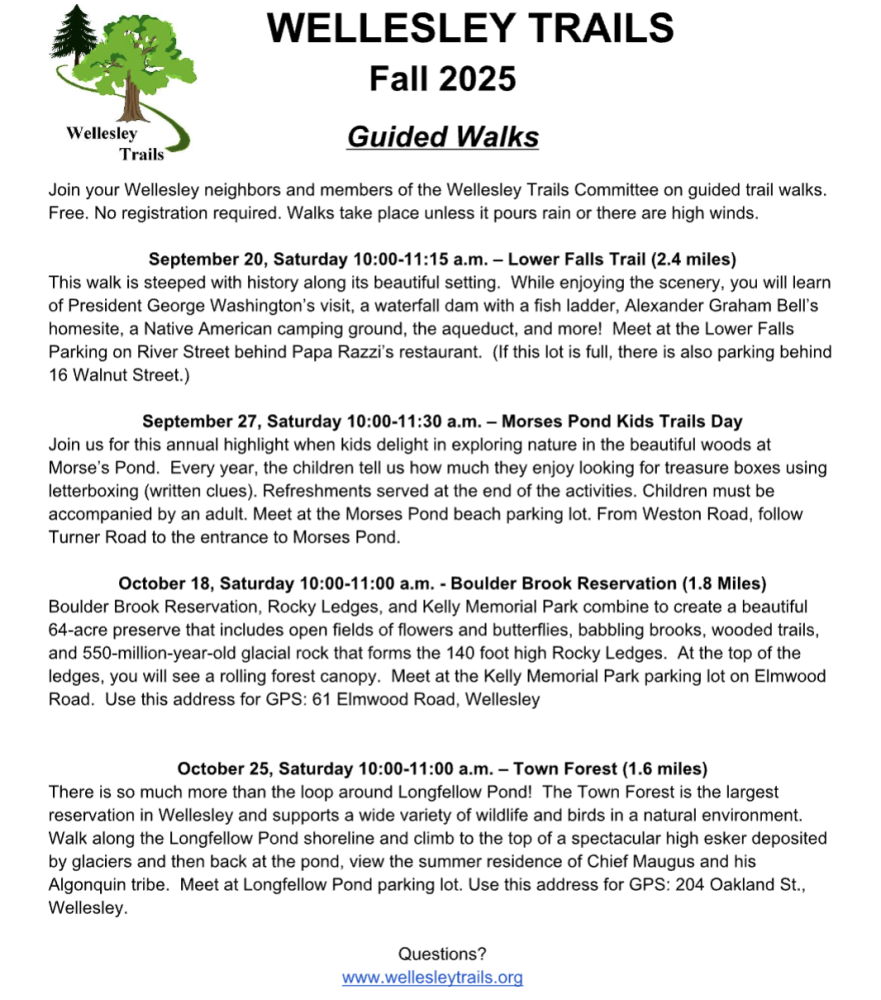
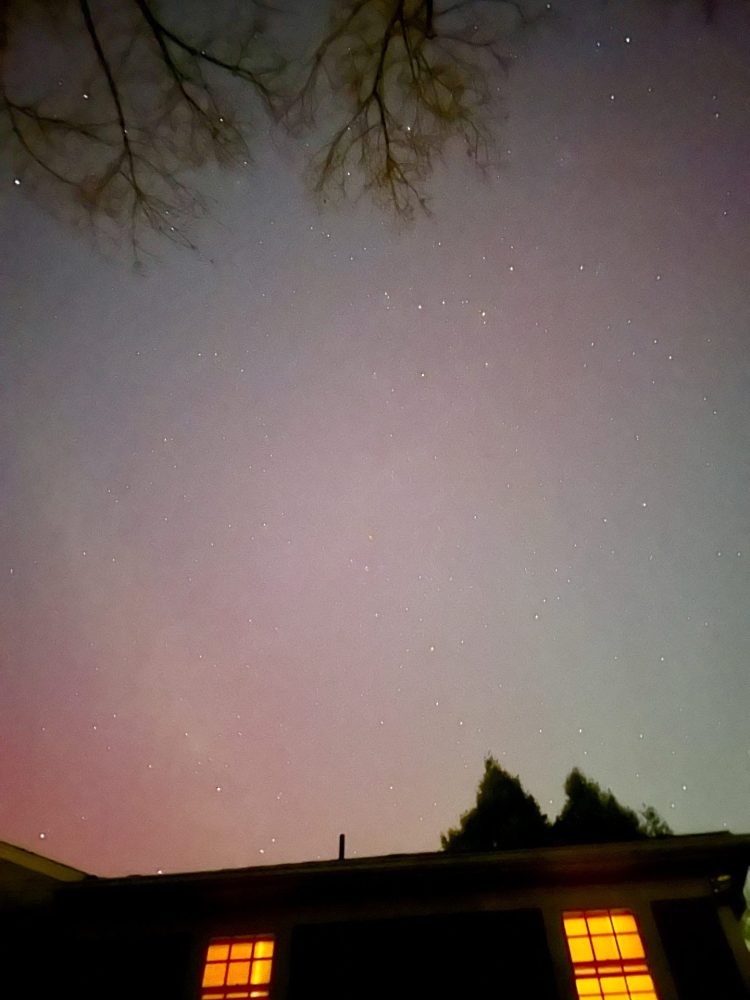
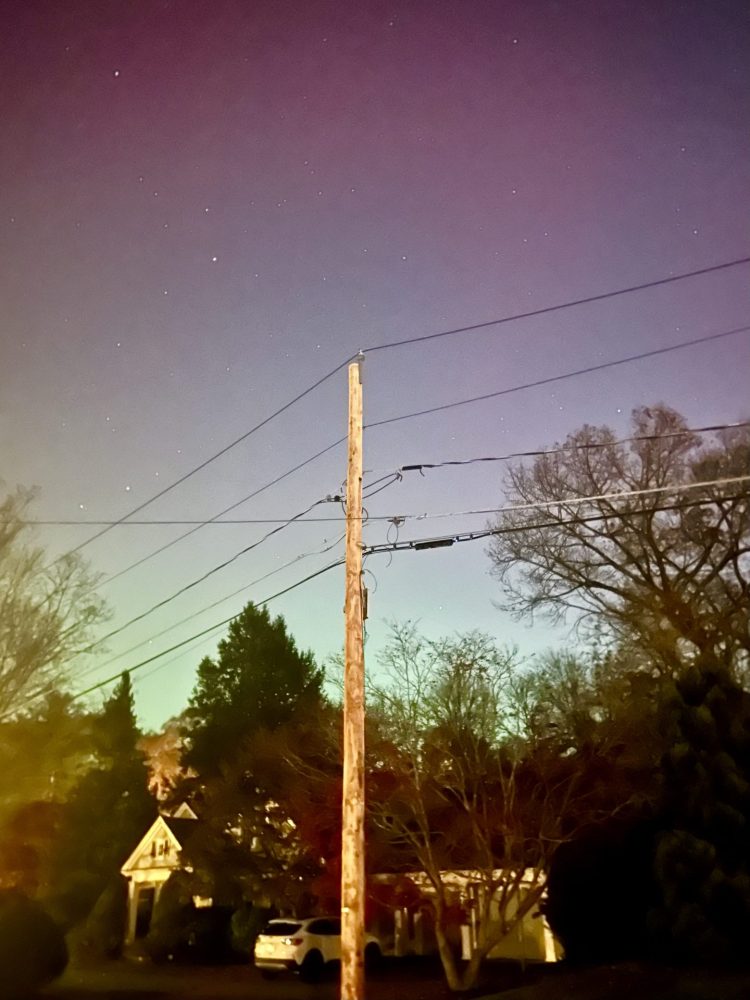
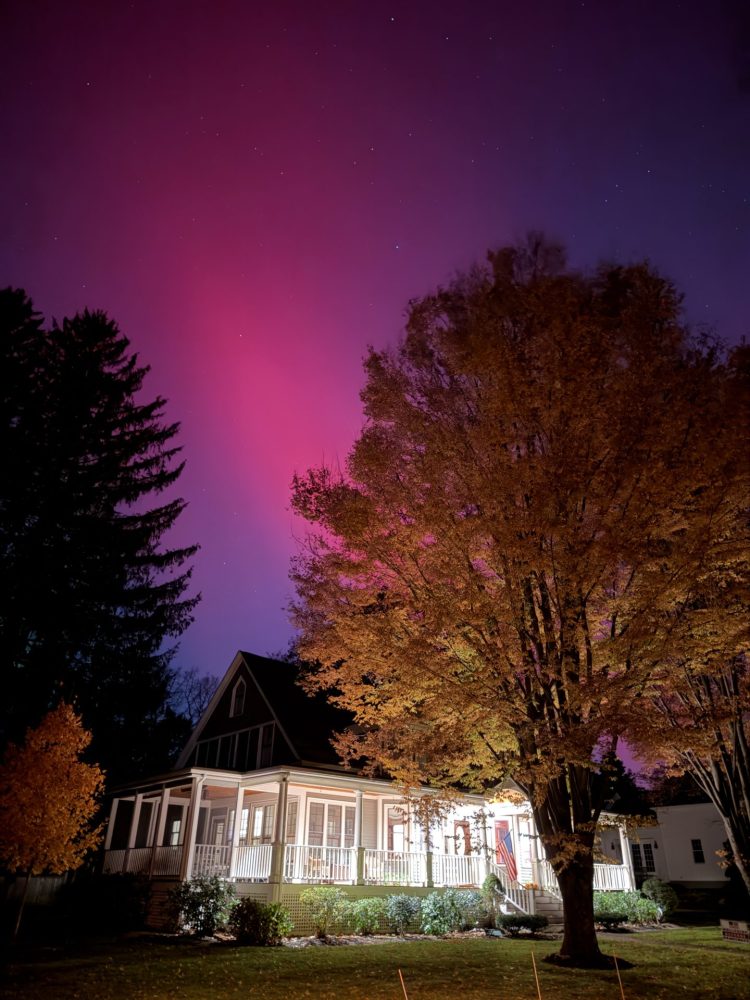
The Northern Lights could be seen over Wellesley on Tuesday night (and might be visible Wednesday night, too, per the National Oceanic and Atmospheric Administration).
Geomagnetic storms also had people aurora watching in spring of 2024.
Since 2005: More than you really want to know about Wellesley, Mass.
The Northern Lights could be seen over Wellesley on Tuesday night (and might be visible Wednesday night, too, per the National Oceanic and Atmospheric Administration).
Geomagnetic storms also had people aurora watching in spring of 2024.




The Wellesley Natural Resources Commission (NRC) this past week voted in favor of a redesigned Morses Pond beach front with a new bath house located on the south side rather than the north, where the 1930s building now stands (see Wellesley Media recording of Oct. 22 meeting about 24 minutes in).
It wasn’t clear the NRC would go in this direction based on its Oct. 9 meeting during which it received an update from the Morses Pond Beach Advisory Committee and its consultancy. NRC members at that meeting digested a re-envisioned—as in much smaller—bath house design for both the south and north ends of the beach, plus a new bonus version of the north side setup. The Morses Pond Beach Advisory Committee at its Sept. 29 meeting voted 4-3 to recommend a north side location.
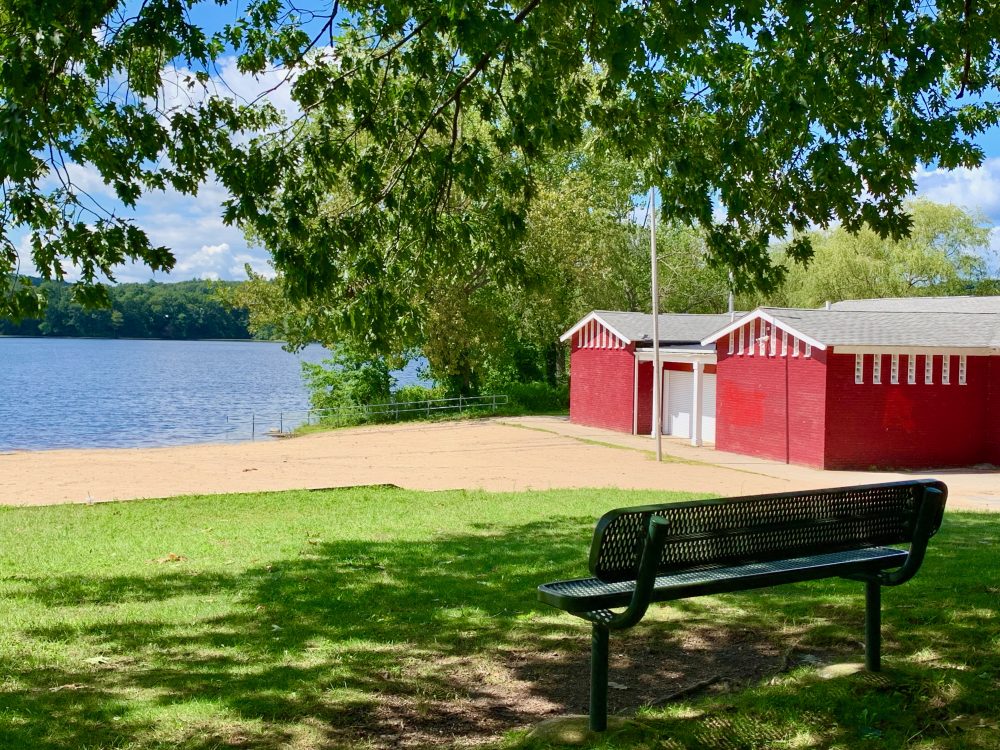
But in the end, the NRC voted in favor of the south side option, a larger version of which had woven its way through a couple of Town Meetings until a much more modest design resulted from the Morses Pond Beach Advisory Committee process and a supplemental feasibility study for which funding was approved at Annual Town Meeting to look at environmental and other concerns.
The NRC’s decision came on the heels of the Recreation Commission the day before at its meeting (see Wellesley Media recording) sticking with its support for a south side facility as it has for years. (Some members expressed frustration and even anger about the direction the project has taken since Rec began talking about it in 2017, and Rec Chair Paul Cramer said it’s possible that Town Meeting and the Community Preservation Committee could even rethink their support for a very different project than they originally weighed in on.)
The NRC discussion and vote on Oct. 22 took less than 20 minutes, after many more minutes spent in recent years on this topic. Since discussions started, Morses Pond has made it through a pandemic that upended operations and the possibility of pickleball courts in the parking lot.
NRC member Steve Park said “What I saw in the supplemental study was that they said in either of these A or B locations with the scaling down of the project we can minimize the impacts on the area…” Based on that, what the Recreation Commission endorsed, and feedback from the public that they prefer a more open and accessible configuration, Park said he supported the south location.
Fellow member Michael D’Ortenzio also supported the south side, though said he thought the revamp could work on either end of the beach. “I look at this as choosing between all good options,” he said. D’Ortenzio went on to acknowledge that the current building on the north side does act as a wall. “I think having that open space, that vista, the area where the town can do programming there… is probably going to lead to the best outcome,” he said.
Members Tom Hammond and Bea Bezmalinovic also backed the south side location.
NRC Chair Jay McHale, who also chairs the Morses Pond Beach Advisory Committee, said the committee provided a valuable service with its findings and recommendations. He pointed to the south side location footprint being knocked down from 118,000 feet of disturbance to 32,000, a big change that aligns with the NRC’s goal to have as light a touch as possible on the environment. McHale said any of the approaches could have worked, and that he preferred the north side location, but that he would support the rest of his NRC colleagues in going with the side side in the interest of making a decision and moving the long-running project forward.
McHale said the Morses Pond Beach Advisory Committee’s consulting partner stands ready to tighten its drawings and estimate costs for the project within a 60-day period. While a cost estimate remains to be revealed, D’Ortenzio did note as an aside at the Oct. 9 meeting that the building permit from 1938 shows that the original bath house cost $7,040 to build.
As the project moves forward, more is to come from Town Meeting, the Select Board (on financing the project) and the Permanent Building Committee. A presentation about beach and bath house improvements made at Annual Town Meeting last year featured a project schedule showing Special Town Meeting this fall voting on construction funds and a possible debt exclusion vote going to the town in December. That’s obviously not happening at this point, but a new schedule will unfold.
In summarizing what McHale said during the Oct. 22 NRC meeting, D’Ortenzio ended by saying, “My story to Town Meeting would be this was a project that now costs millions of dollars less and disturbs tens of thousands of square feet less than originally proposed,” he said.
Related: We take a ride on the Morses Pond weed harvester (August, 2023)


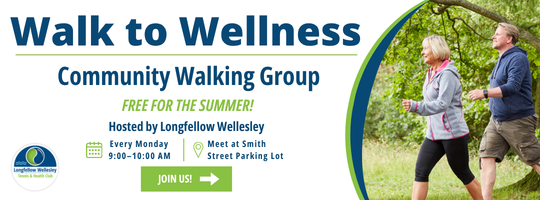
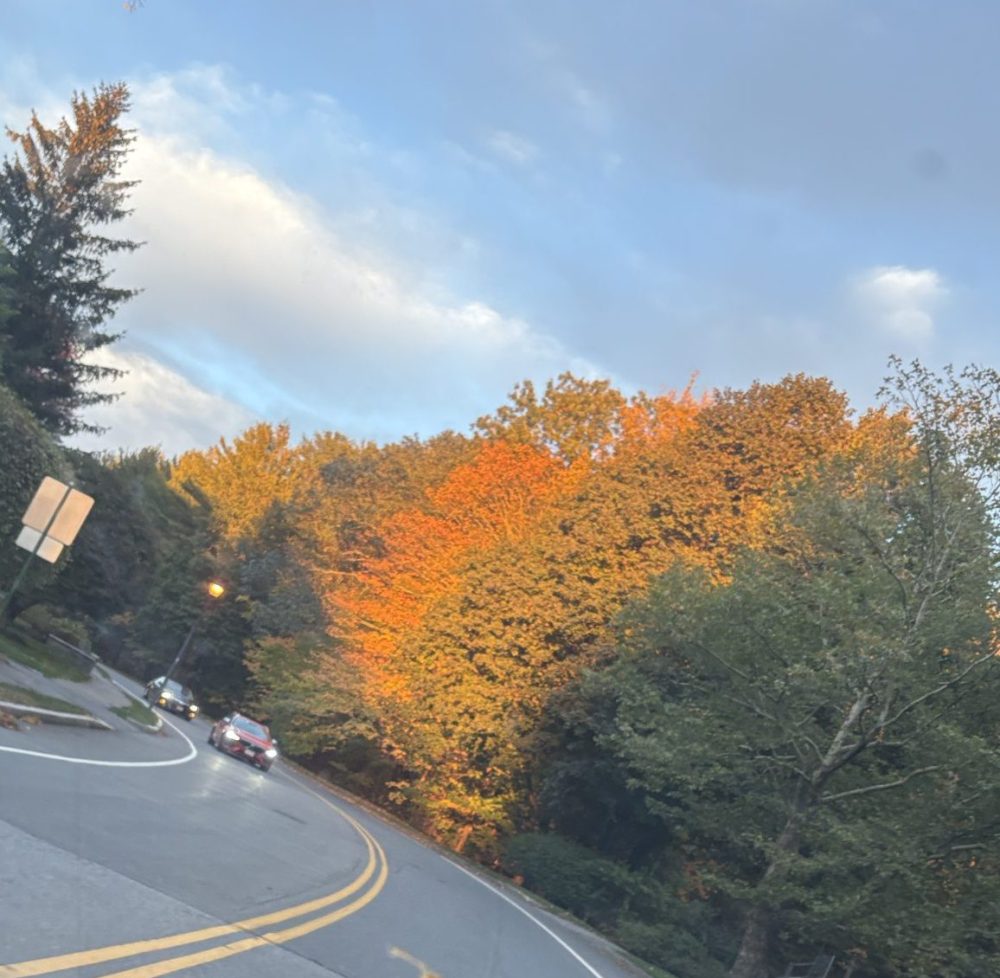
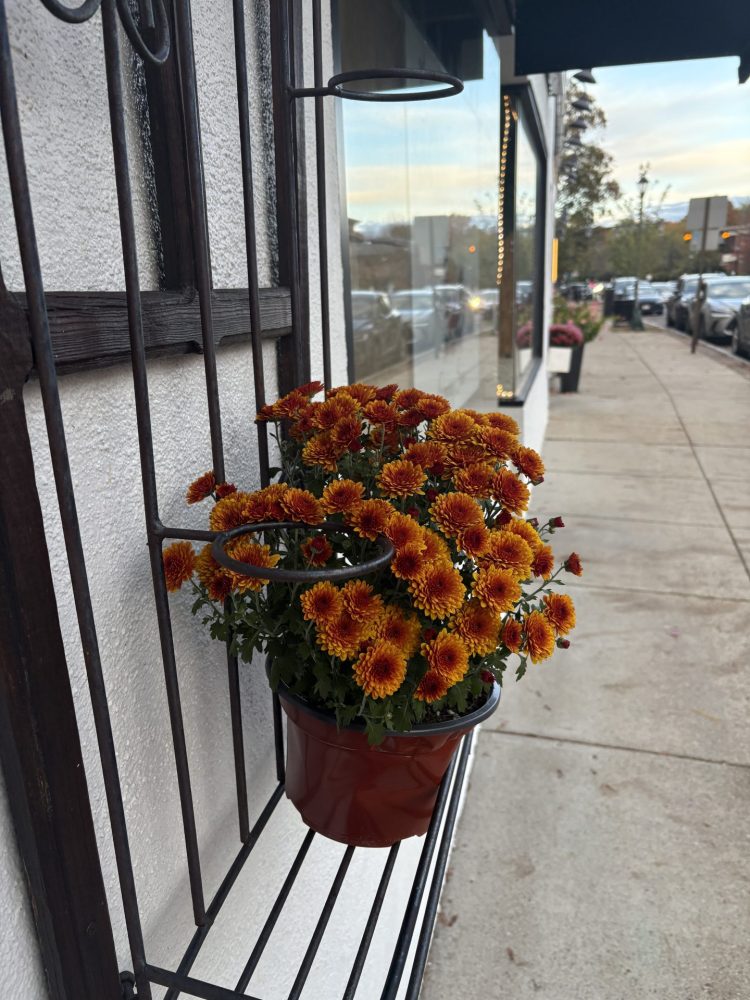
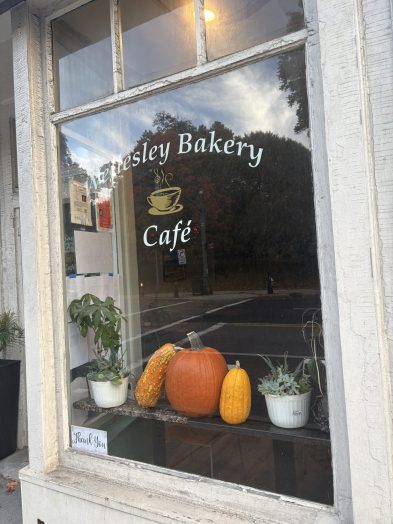
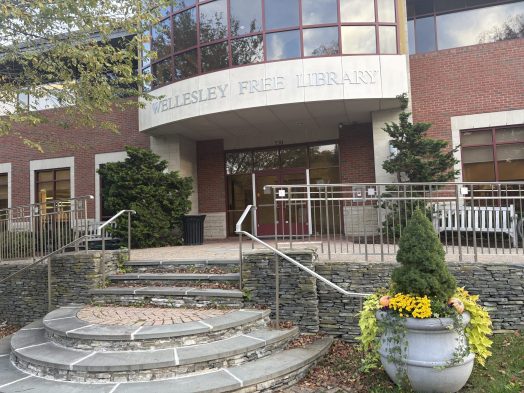
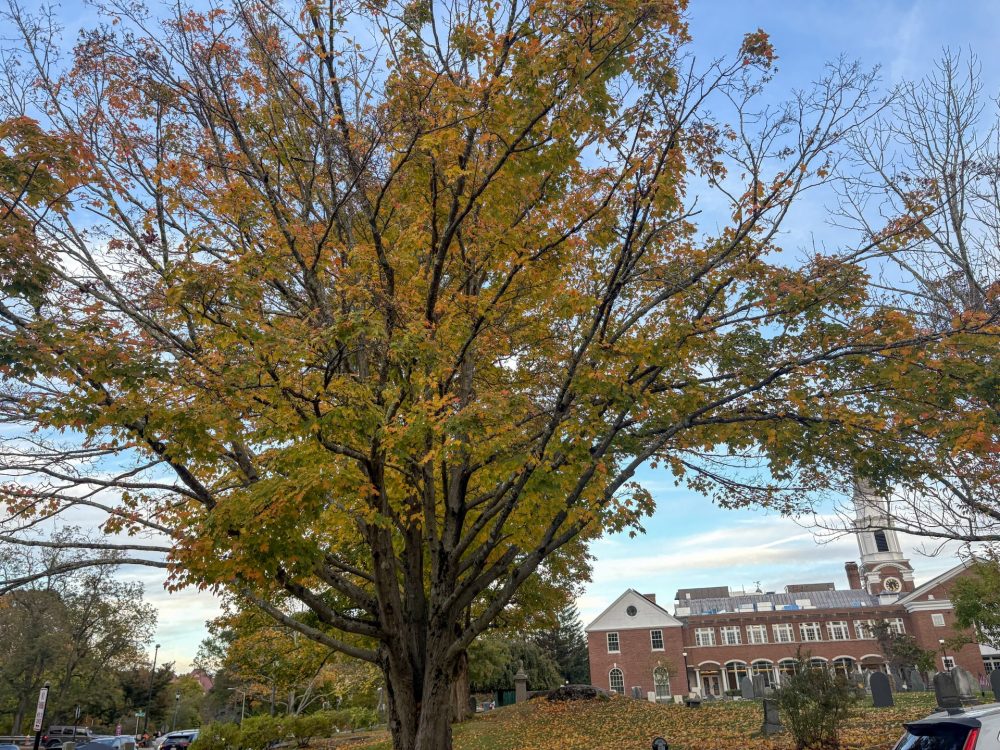
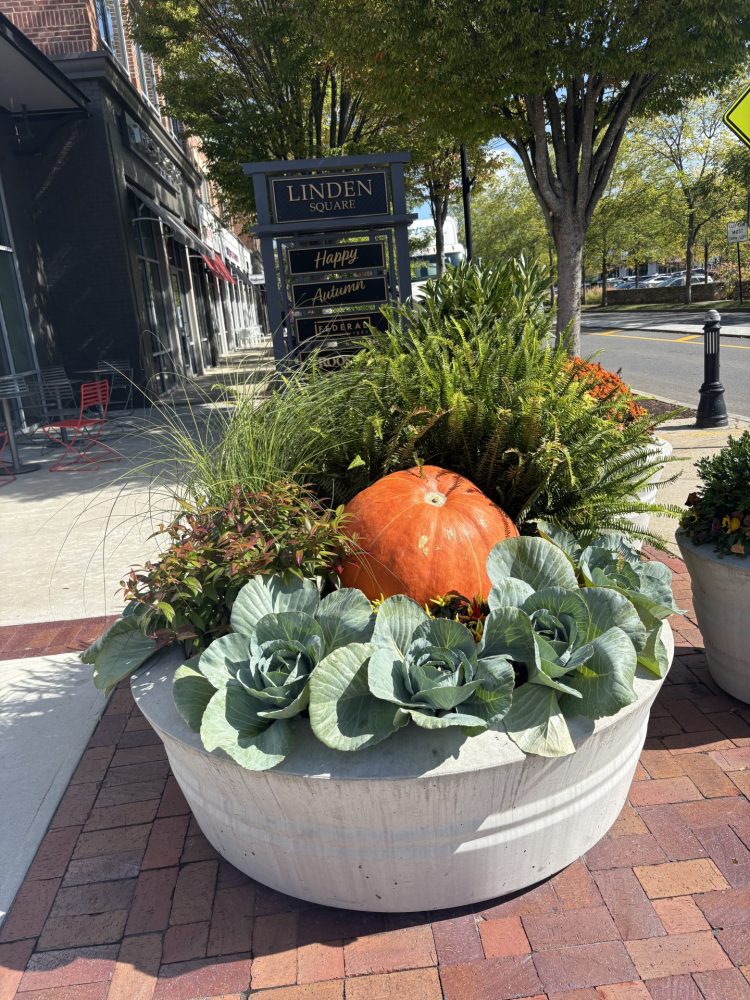
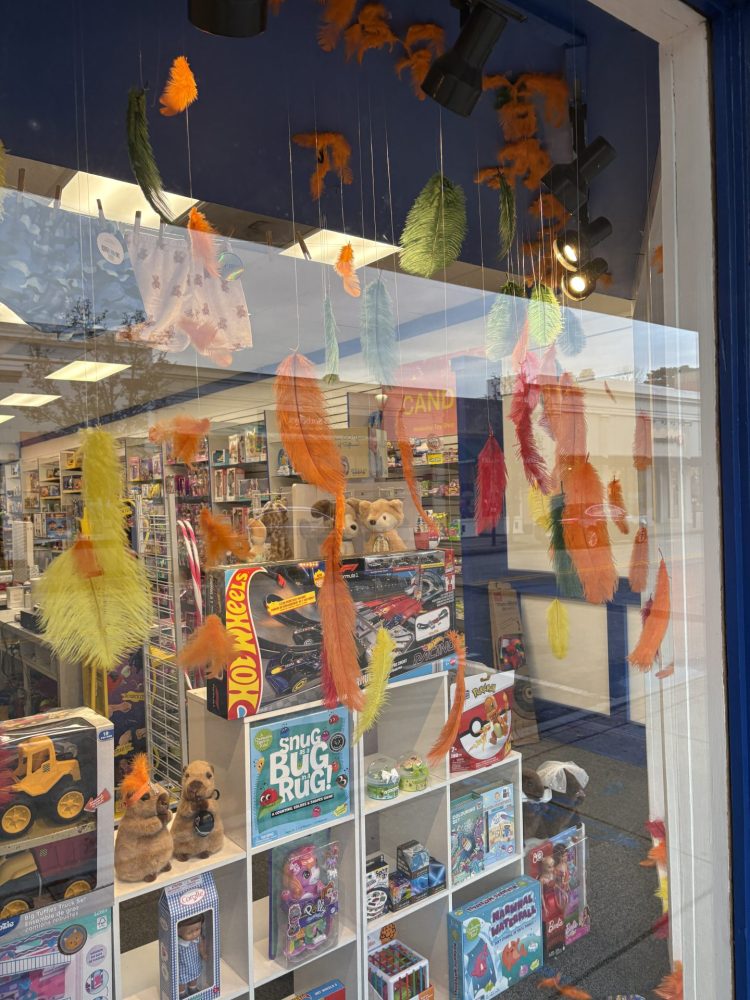
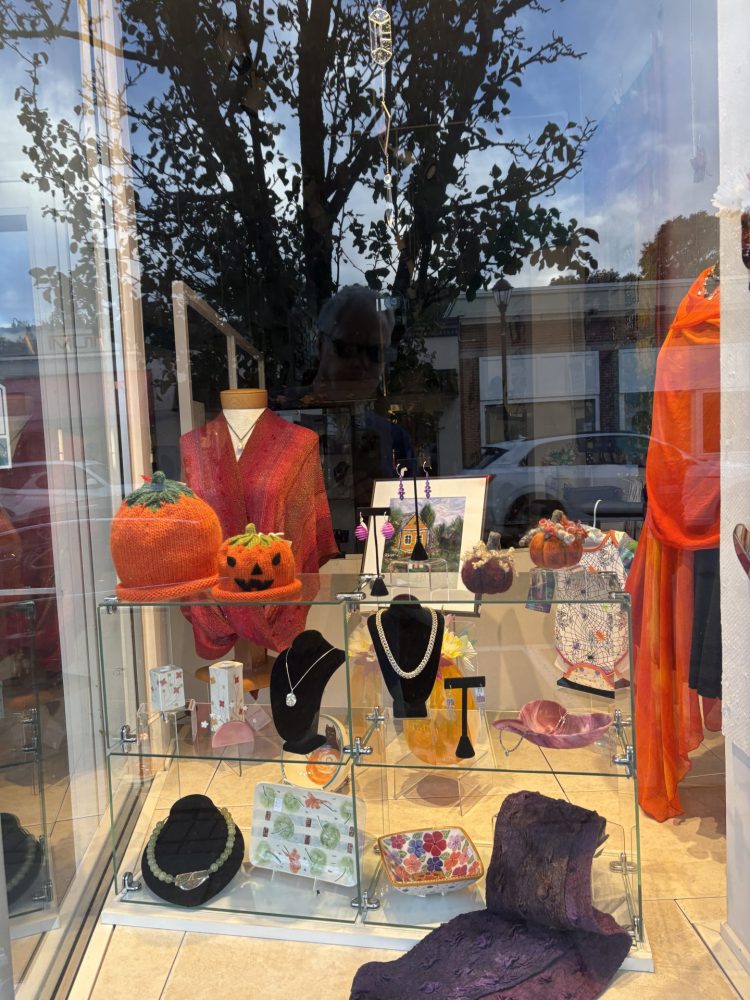
Between the foliage and the Halloween decor, Wellesley is looking downright autumnal.
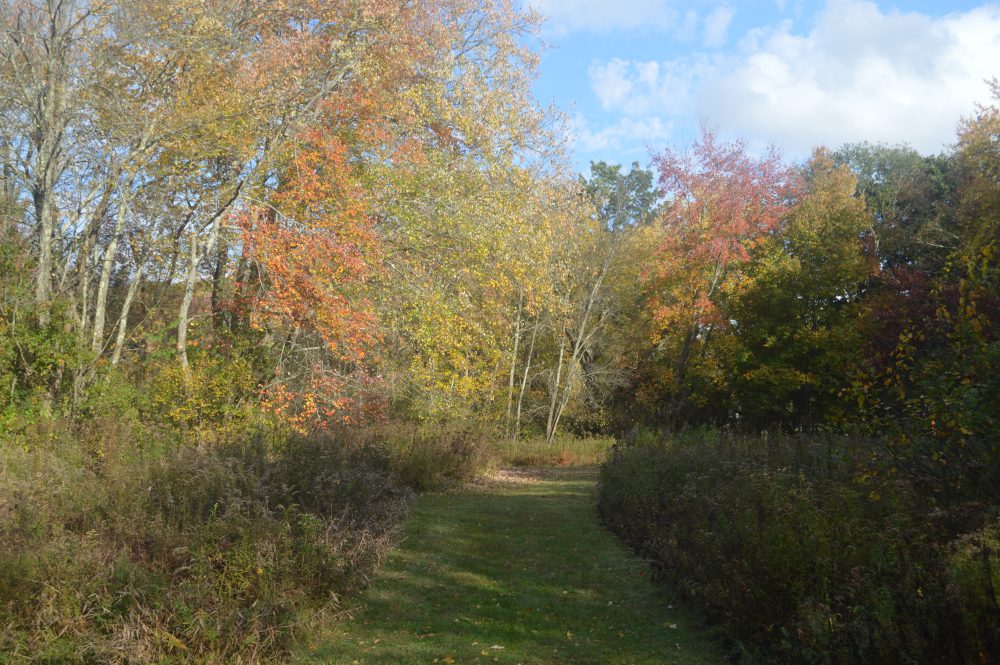
The Wellesley Trails Committee on Saturday, Oct. 18 (10-11am) will lead a free walk at Boulder Brook Reservation in Wellesley.
Explore Boulder Brook Reservation, Rocky Ledges, and Kelly Memorial Park that combine to create a beautiful 64-acre preserve with open fields of flowers and butterflies, babbling brooks, wooded trails, and 550-million-year-old glacial rock that forms the 140-foot high Rocky Ledges. At the top of the ledges, you will see a rolling forest canopy.
Meet at Kelly Memorial Park at 50 Elmwood Road (Use this address for GPS: 61 Elmwood Road, Wellesley).
Please send tips, photos, ideas to theswellesleyreport@gmail.com
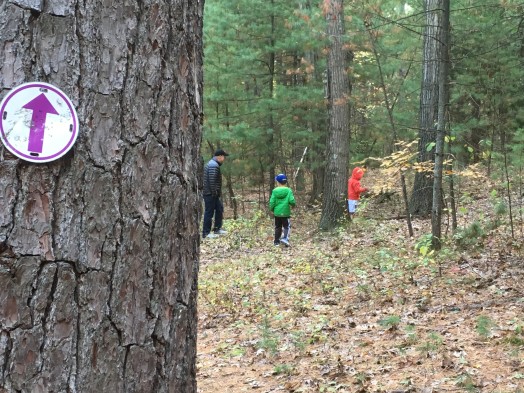
Join the Wellesley Trails Committee and other neighbors for this annual highlight when kids delight in exploring nature in the beautiful woods at Morse’s Pond. Every year, the children tell us how much they enjoy looking for treasure boxes using letterboxing (written clues). Refreshments served at the end of the activities. Children must be accompanied by an adult.
Meet at the Morses Pond beach parking lot. From Weston Road, follow Turner Road to the entrance to Morses Pond.
No registration required and all walks are free. Walks take place unless it pours rain and there are high winds. Participants are encouraged to wear sturdy footwear.
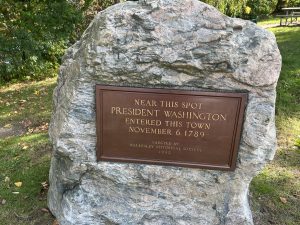
This walk is steeped with history along its beautiful setting. While enjoying the scenery, you will learn of President George Washington’s visit, a waterfall dam with a fish ladder, Alexander Graham Bell’s homesite, a Native American camping ground, the aqueduct, and more! Meet at the Lower Falls Parking on River Street behind Papa Razzi’s restaurant. (If this lot is full, there is also parking behind 16 Walnut Street.)
Join your Wellesley neighbors and members of the Wellesley Trails Committee on guided trail walks. No registration required and all walks are free. Walks take place unless it pours rain and there are high winds. Participants are encouraged to wear sturdy footwear.
Sign up for Swellesley’s free weekday email newsletter & stay in the loop about Wellesley
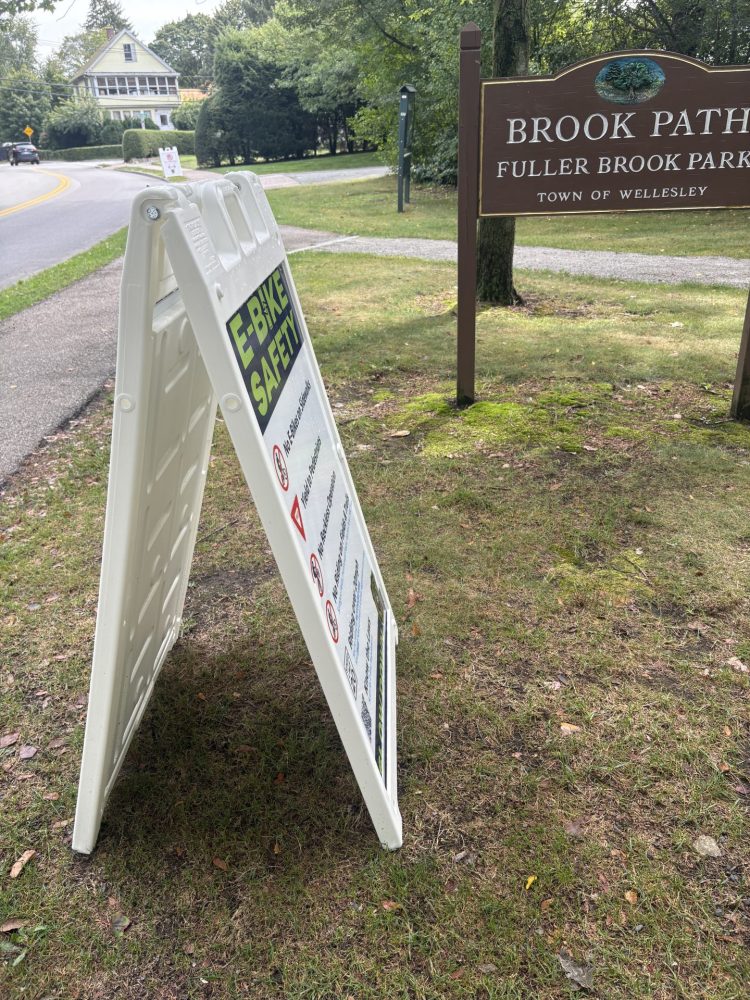
It’s been hard to miss the town of Wellesley’s new multi-pronged awareness campaign about e-bike safety—the sandwich boards, the postcards, the emails/website content.
While the information has clarified much about a sometimes gray, sometimes changing set of state and local rules, one question has remained: Can you ride e-bikes on the Brook Path?
That was the first question Mrs. Swellesley had when the e-bike safety postcard arrived at our house. Some have also raised the question in local online forums, which have been active with stories of close calls and demands for more enforcement.
In addition, we heard the topic of e-bikes on the Brook Path discussed during this week’s meeting of the Wellesley Trails Committee, which has been monitoring the use of e-bikes on trails for some time now (see about 30 minutes into the Wellesley Media recording).
With some of the sandwich boards placed by the Brook Path, people might naturally think the message relates to the heavily used trail that stretches two-plus miles from Dover Road to Wellesley Hills.
The messaging specifies that you can ride a Class 1 or 2 e-bike—pedal-assist or throttle up to 20 mph—on public roads, in bike lanes, and on shared use paved paths. And that you can’t ride them on NRC Trails (whether most residents or others would know what “NRC” is… Natural Resources Commission… we’re not so sure).
But the Brook Path is indeed an NRC trail. Is it really a paved path though? It’s mainly covered in stone dust.
We got clarification on this subject from NRC Director Brandon Schmitt and Wellesley Police Lt. Michael Lemenager.
Schmitt says “the NRC has not yet taken any formal action to designate the Brook Path one way or another. But it is altered and improved with surfacing materials that move it beyond the more simple ‘natural’ trails that are outlined in the governing state regulations. We continue to monitor the information available, and our hope is in the absence of governing regulations that with continued education and some common sense, everyone can continue to enjoy the path safely.”
Lt. Lemenager adds that “Legislators really need to address the gaps created by the popularity of these bikes, especially the undefined ‘class 3’ models that are essentially electric motorcycles… I think it’s going to take some action at the State House to put pressure on retailers to educate families and inform them of the laws at the point of purchase. After all, we don’t allow 13–15 year olds to purchase motorcycles or drive them off the lot unregistered and unlicensed, and I would imagine more legislative action will come in this area.”