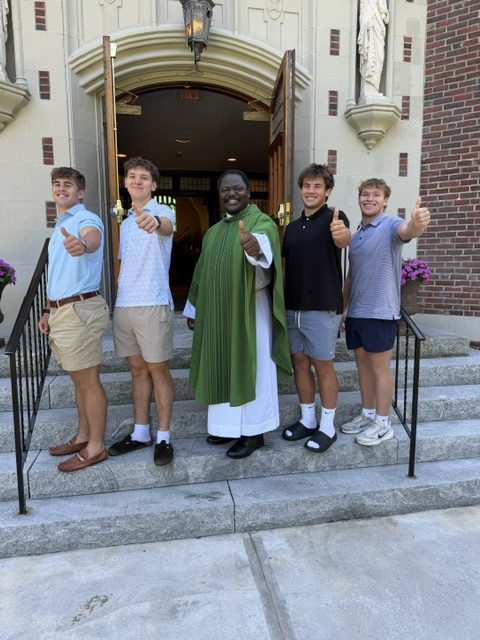
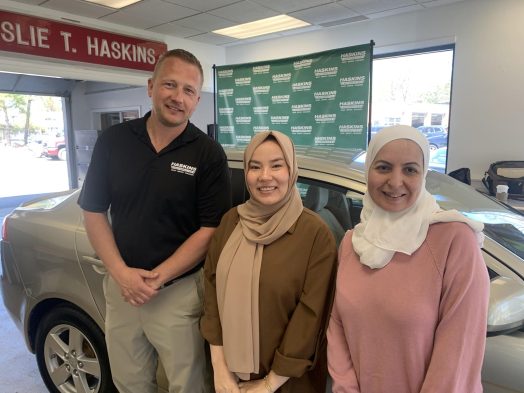
Wellesley’s Brandon Hollingsworth (Wellesley High ‘26, on left) and three friends visiting from out of town take time to head to St. Paul Church—and pose with Rev. James Taah.
See something? Send something: theswellesleyreport@gmail.com
Since 2005: More than you really want to know about Wellesley, Mass.
Wellesley’s Brandon Hollingsworth (Wellesley High ‘26, on left) and three friends visiting from out of town take time to head to St. Paul Church—and pose with Rev. James Taah.
See something? Send something: theswellesleyreport@gmail.com

Wellesley-based organizations have been the recipients of much generosity this spring from local grant-giving organizations. The Swellesley Report is proud to be among the groups recognized as being worthy of support. Here’s a list of other groups that are doing the work for the good of the community.
 The Swellesley Report is thrilled to announce that the Community Fund for Wellesley has supported our local news efforts with a grant. Thank you to the members of the Community Board for prioritizing local, reliable news coverage.
Swellesley is proud to be counted among the following organizations, which also received grants:
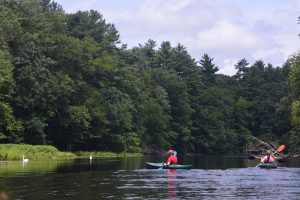
Wellesley town officials were joined by U.S. Representative Katherine Clark to celebrate the $500,000 federal earmark she secured to improve the Town of Wellesley’s tree canopy and bolster natural stormwater management throughout the Charles River Watershed. This funding will support implementation of the Charles River Climate Compact’s Regional Tree Protection and Planting Plan.
The Cummings Foundation has awarded over $600 million in grants to nonprofits based in greater Boston.
Nearly all grants awarded through Cummings Foundation’s annual grant program are treated as general operating support, regardless of what was requested in the application. That means grantees may use funds wherever they are needed most—and do not need to report back on specific expenditures.
Elizabeth Seton has been awarded a $150k grant, spread over 3 years.
Metrowest Women’s Fund received $75,000 to provide resources to and build community among nonprofit organizations addressing the needs of women and girls in 34 Metrowest cities/towns, including Wellesley.
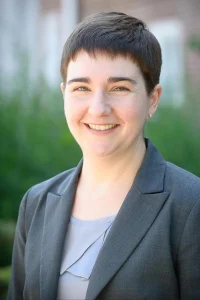
Wellesley College President Paula A. Johnson announced the appointment of Heidi Vanderbilt-Brown as the College’s next vice president for finance and administration and treasurer.
Vanderbilt-Brown, a senior executive with more than 15 years’ experience in leadership roles in both secondary and higher education, will oversee financial management of the College’s $289 million budget beginning September 1.
Vanderbilt-Brown currently serves as the chief financial and operating officer at Milton Academy and was previously associate director in the Office of Financial Strategy and Planning at Harvard University.

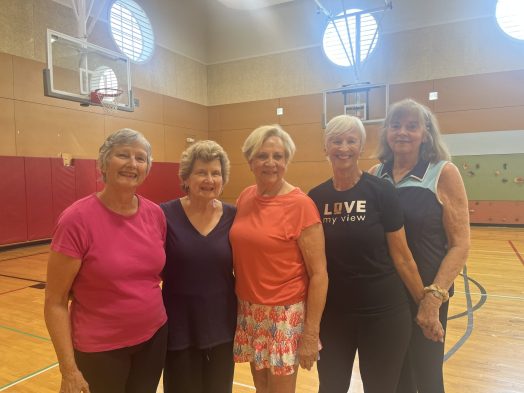
When Elizabeth ‘Bitsy’ Graham learned in 2019 that her husband needed a kidney transplant, she immediately volunteered to be the donor. Despite her being 72 years old and well above the average donor age, doctors approved the transplant—because her organs were as healthy as those of someone in their 40s.
For Graham, the results came as little surprise.
After nearly 47 years of practicing and teaching aerobics in Wellesley, Graham credits the sport for keeping her healthy. Now, at 79, she helps other women do the same.
“I have been given this opportunity with good health to be able to spread the idea of being as strong as you possibly can, being as healthy as you can,” the Wellesley resident said. “Being as young in heart and mind and body and spirit as you can.”
Every weekday at 8:45 a.m., Graham leads a choreography-based aerobics class at the Warren Building at 90 Washington St. through the Recreation Department that attracts women ranging from their teens to their 70s. Some students have been attending for more than four decades.
Ellen Zockoff, who has taken Bitsy’s classes for 42 years, described them as “addictive.”
“I’ve tried other classes, and they don’t cover the same range of muscles and joints,” Zockoff said. “And the recovery from my replacements, which was recent, is amazingly faster when we have a class like this.”
Graham said her own quick recovery from her kidney donation, which she attributed to aerobics, demonstrated what she always told her students: a healthy body is better equipped to handle life’s challenges.
“When your body is fit on the inside, it responds and recovers from all kinds of challenges and trauma,” Graham said. “I think that’s one of the things that people have really realized in my class, because they’ve been able to have surgery and come back, be well and be able to have no limitations.”
The connections students build through Bitsy’s class are another reason many have stayed for decades.
Svea Fraser, another student who has attended Bitsy’s class for over 40 years, said the community is tight-knit.
“People connection makes a big difference to me,” Fraser said. “We get to know each other, we know if you’re not here … it is really a loving, welcoming class.”
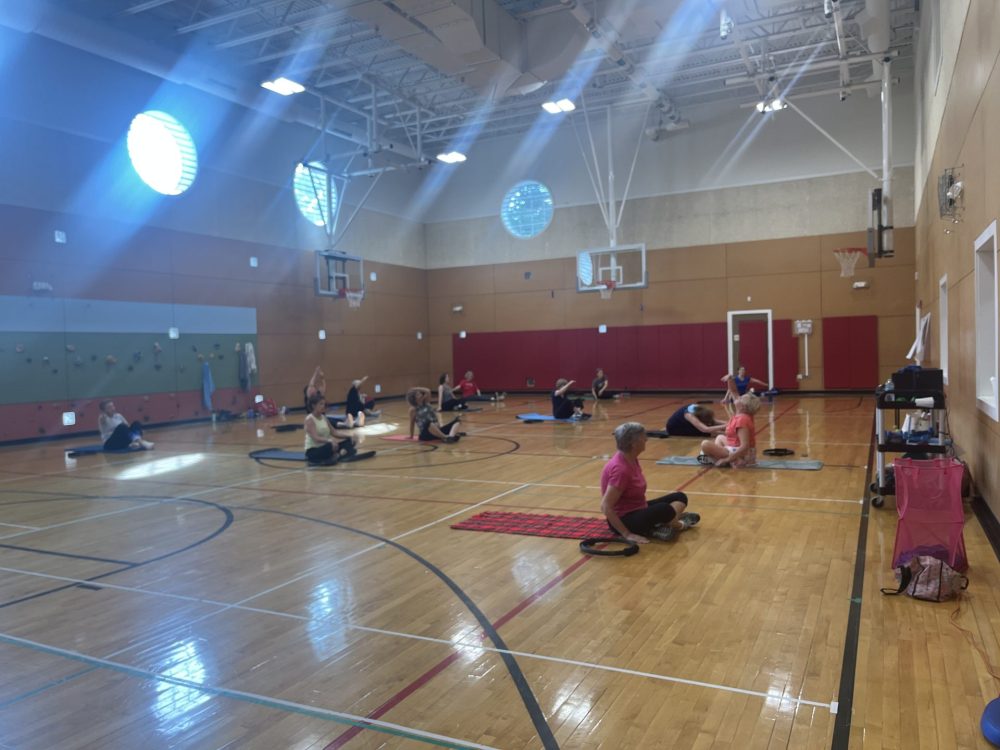
While many of the faces in the room have remained the same, the class itself has changed a lot over the years.
Graham, who taught science and music before teaching aerobics, said she has evolved and improved her classes based on advancements in sports medicine research.
“I think by constantly altering things and adding and changing the music … it doesn’t become tedious,” Graham said. “You don’t overwork any muscle group or any joint, so that it’s safe, it’s comprehensive, it’s fun.”
The ever-changing choreography and music also help ensure her students stay engaged and have fun, according to Graham.
“I wanted people to have a good time, because exercise that’s boring, people quit,” Graham said. “I felt like it was like a mission for me.”
As she approaches her 50th year of teaching and her 80th birthday, Graham said people often ask when she plans to retire. Her answer is simple: not yet.
“As long as there are people that want to work out with me, that want to do this program, and I am physically able to do it, I will do it,” Graham said. “Because I really believe that it is my calling, and I know that there are people whose lives were changed because they came to this class and they stayed with it. So why would I quit that?”
Have a community-oriented story you’d like to share? Please let us know: theswellesleyreport@gmail.com

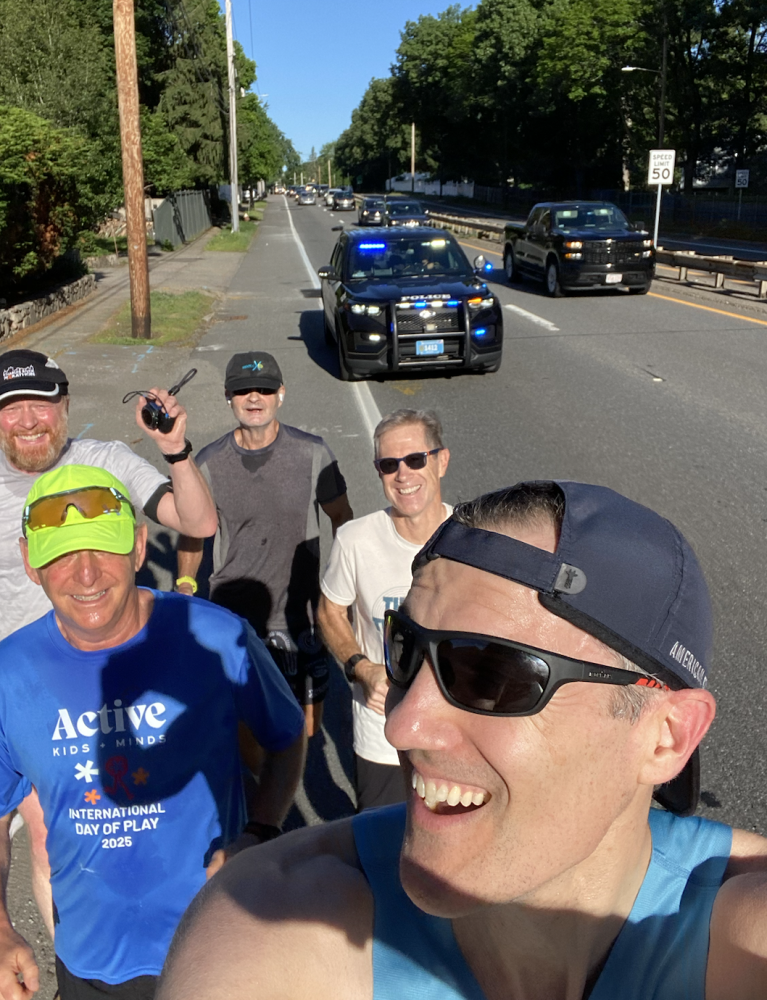
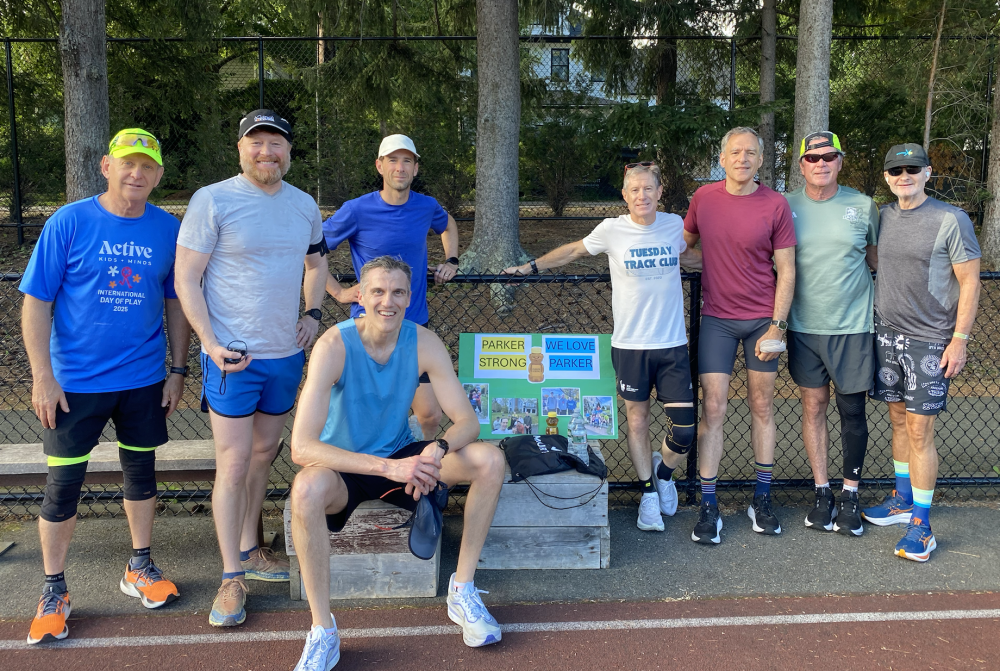
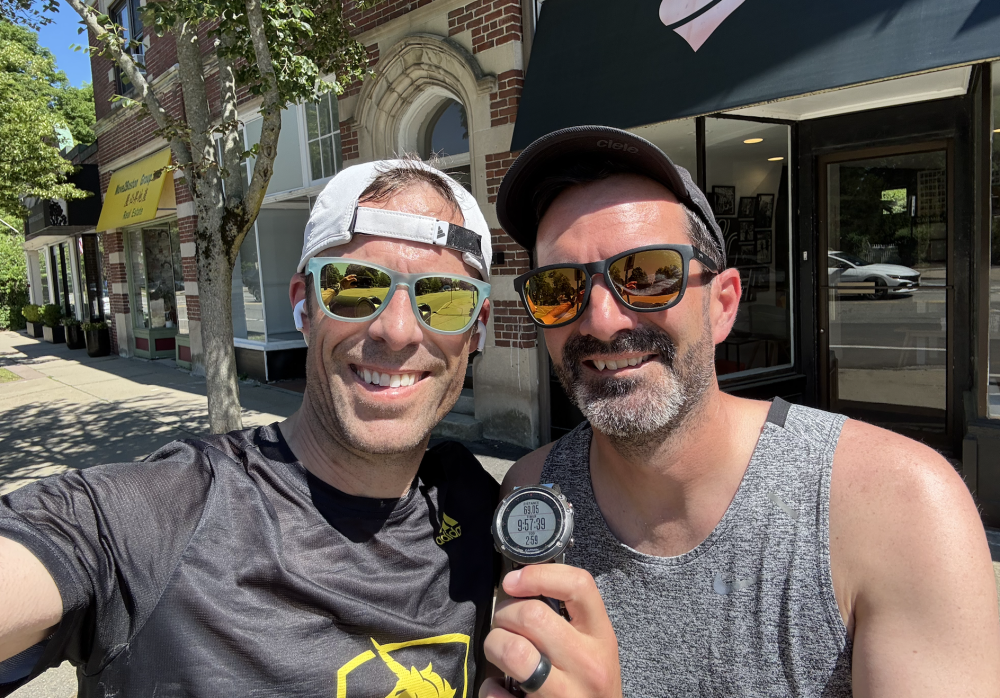
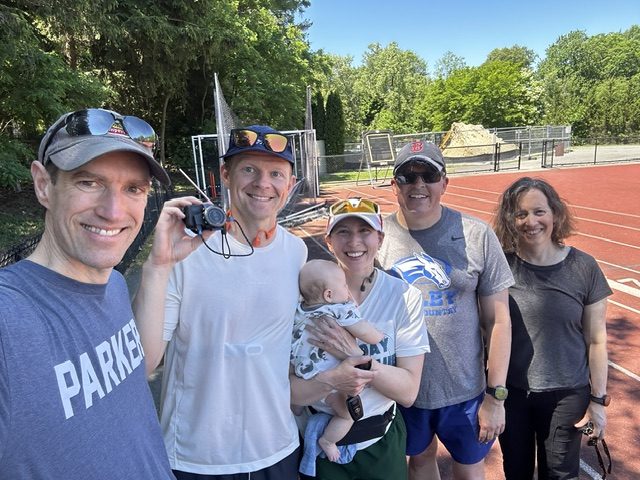
On Saturday, June 13, Wellesley runners came together to honor Parker Morse, who recently passed away unexpectedly, in a way that he truly would have appreciated.
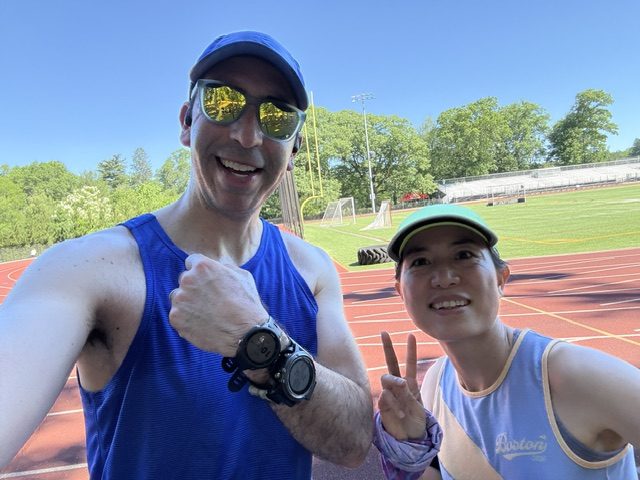
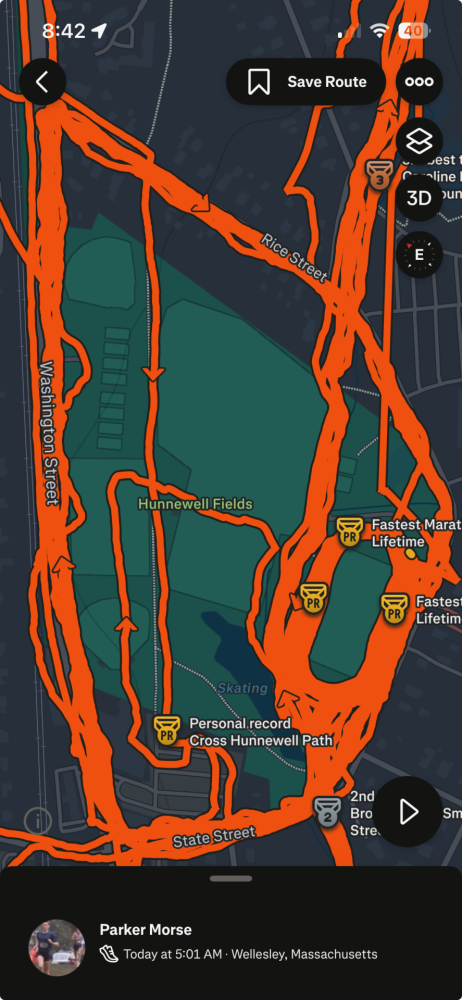
Over the course of 14 hours, his friends covered over 100 miles in relay fashion with Parker’s running watch in tow: Every hour on the hour, they handed off the trusty timepiece at the Wellesley High School Track, where each week Parker ran a morning workout with the Tuesday Track Club.
Relay legs included many of Parker’s favorites, including:
Additionally, Parker had the goal to run every street in Wellesley. He pursued this during the long, lonely days of the COVID-19 pandemic, but one street remained: Route 9 East where there is no sidewalk. Wellesley Police Chief Scott Whittemore and the Wellesley Police Department supported this goal by accompanying a group of runners as they ran down the breakdown lane from Hardy Elementary School to Donizetti Street.
Wellesley runner Stephen Forasté wrote: “Parker Morse meant a lot to many people in town. Husband, Father, Friend, Running Journalist, Marathoner. Parker was the ‘glue’ of the Tuesday Track Club, and the Saturday Morning Appleby Runners. It is unbelievable that a lifelong runner with so much positivity could be taken from his family and friends so suddenly. It is an honor that we could symbolically help Parker support running in Wellesley… We miss you Parker.”
Have a community-oriented story you’d like to share? Please let us know: theswellesleyreport@gmail.com

On May 31, longtime Wellesley resident Helen Belitsos celebrated her 100th birthday, marking a century of a life filled with dedication, professional success, and deep community roots.
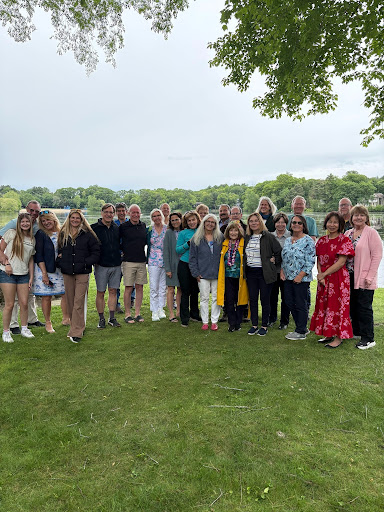
Family and neighbors recently gathered on the shores of Morses Pond to honor Helen on one of the few sunny days in May, celebrating a woman who has been a fixture of the neighborhood for over seven decades.
Born in Boston on May 31, 1926, Helen attended Cambridge High and Latin School. After WWII, she married John Belitsos, a familiar face to many local athletes through his years of coaching sports in the Wellesley Public Schools. The couple moved to Wellesley, settling on Morses Pond, where Helen has lived for over 70 years. She fondly recalls the earlier days of the pond when motorboats and water skiing were still a regular part of life on the water.
In addition to her deep roots in town, Helen is widely known for her sharp financial acumen. She built a successful career at a Boston financial firm, briefly taking time off following the birth of her daughter, Debbie, in 1956. Once Debbie entered school, Helen’s expertise was quickly sought after again, and she was recruited back to work in the city.
Demonstrating an extraordinary work ethic, Helen continued to ride the commuter rail into Boston every day until she was 76 years old. When asked about her remarkable longevity, Helen credits her long, active life to one simple philosophy: keep working.
A century of life has brought many changes to Wellesley, but Helen Belitsos remains an enduring and inspiring anchor of the Morses Pond community. The town extends its warmest congratulations to Helen on this historic milestone.
Thank you to Deed McCollum for sharing this story and these photos.
Have a community-oriented story you’d like to share? Please let us know: theswellesleyreport@gmail.com
According to the US Census Bureau, the most recent official count in 2020 put Wellesley’s population at 29,550.
The 2010 census showed residents numbered 27,982.
Wellesley’s estimated population as of July 1, 2025 is 31,239, an increase of almost 12% over the 15-year period from 2010 – 2025.
These numbers indicate a positive growth trend, reflecting an average annual growth rate of approximately 0.74% during this timeframe.
The next official Census will take place in 2030.
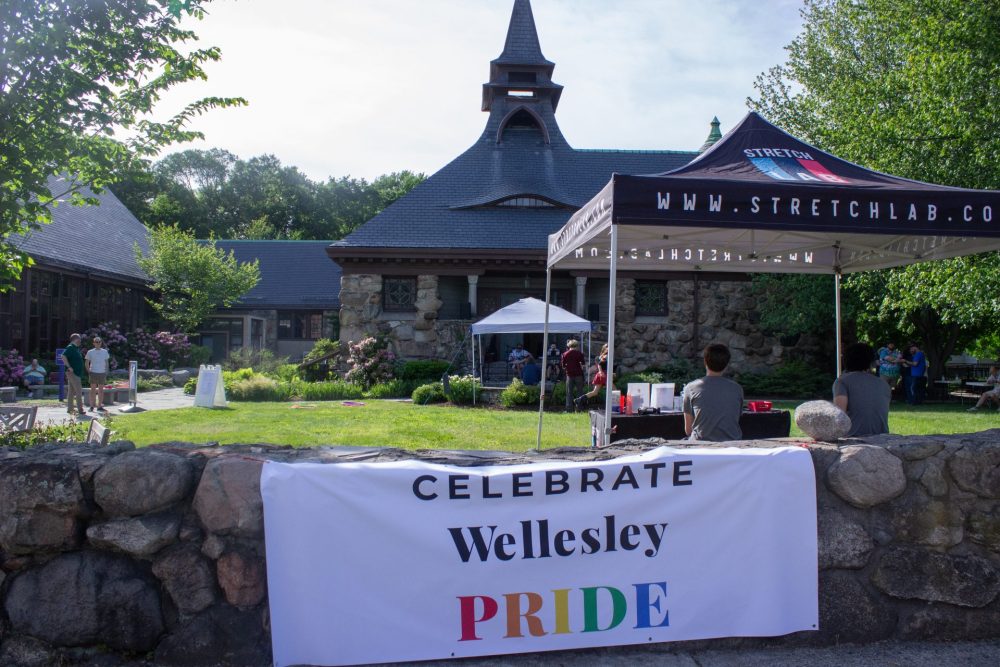
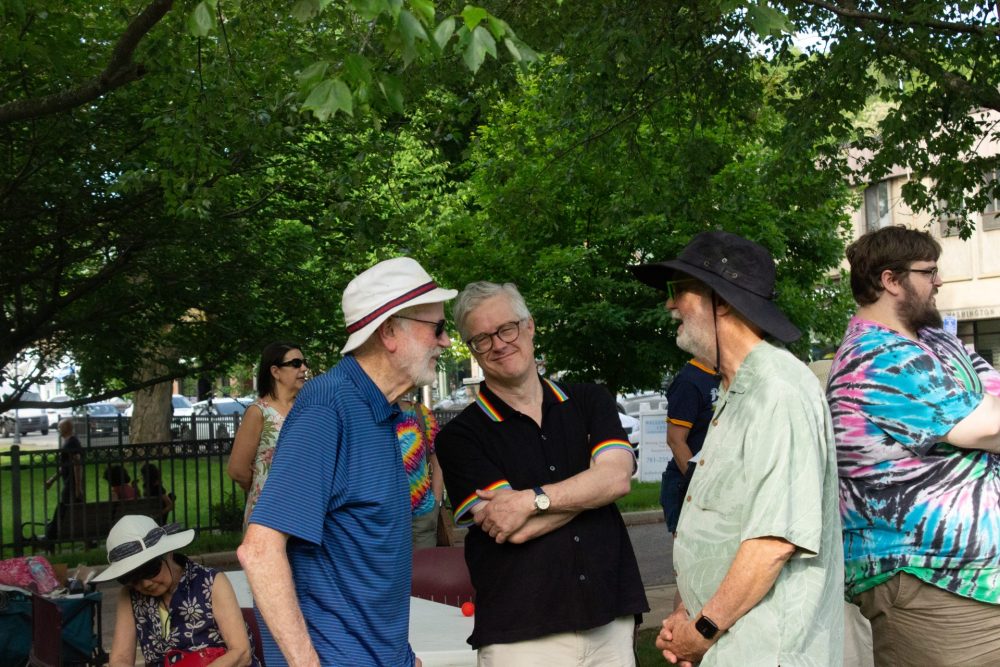
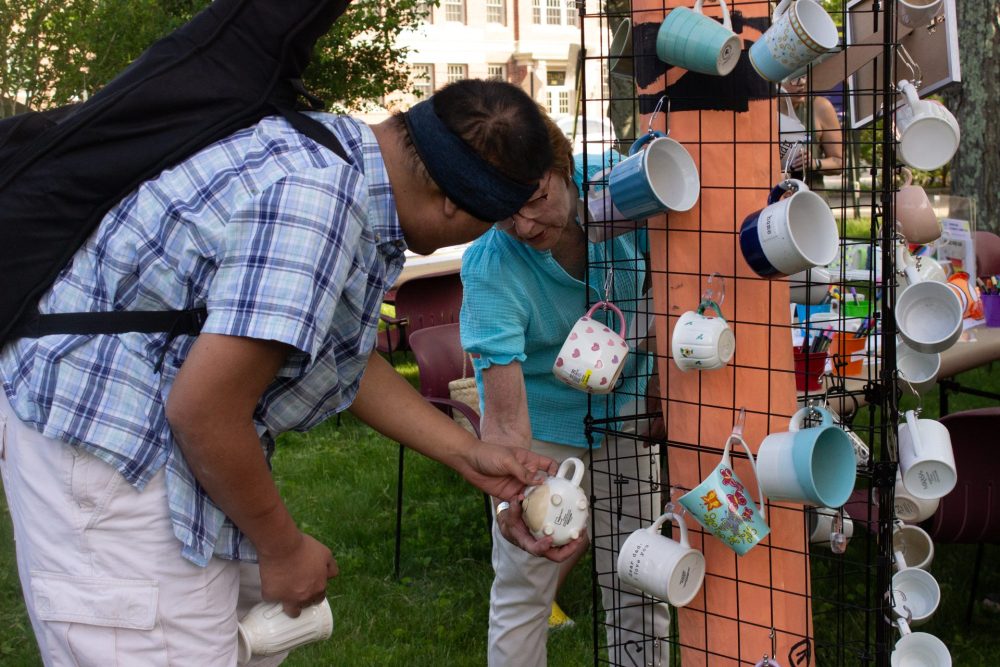
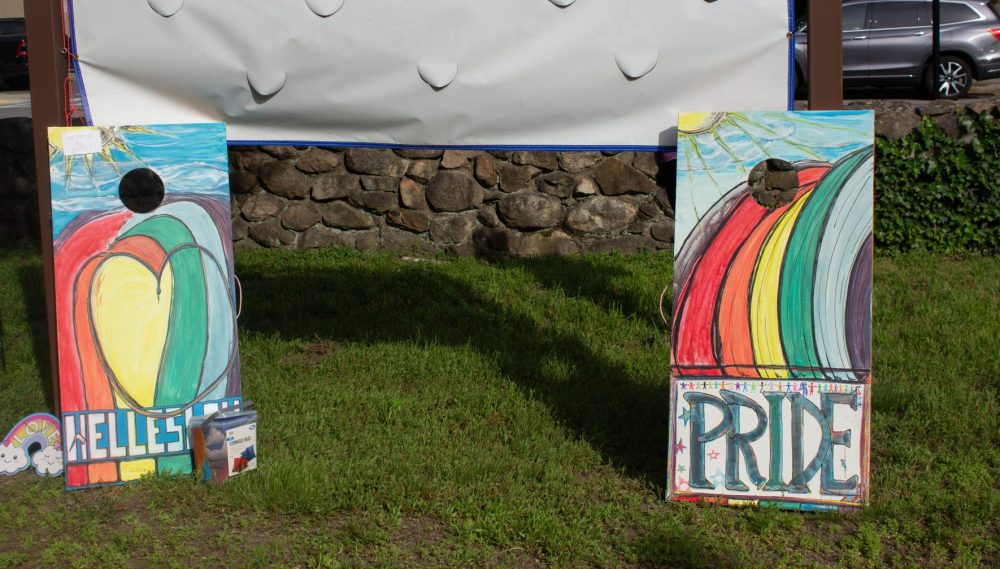
Under a sun-drenched sky, the grounds of Unitarian Universalist Church in Wellesley Hills transformed into a sea of rainbows on June 4 for Wellesley’s first-ever Pride celebration. Dozens flocked to the church lawn for a night featuring live music, food trucks, raffles and booths run by local organizations and businesses.
The event was co-sponsored by several Wellesley-based religious institutions and nonprofits, and it was primarily organized by UU Wellesley Hills and World of Wellesley, a volunteer-run nonprofit organization that educates local communities about equity and belonging.
Rama Ramaswamy, president of WOW, said in an interview that the historic event reflects a widespread desire to feel seen, welcome and connected. What mattered to her was not that the event hadn’t happened before, but rather that the community put in the effort to finally bring it to fruition, she said.
“Different ideas emerge at different times and different moments, and different opportunities arise depending on the people who are willing to step forward and bring them to life,” she said. “When the opportunity arose, so many people across the community came together to make it happen in a thoughtful, welcoming and really collaborative way.”
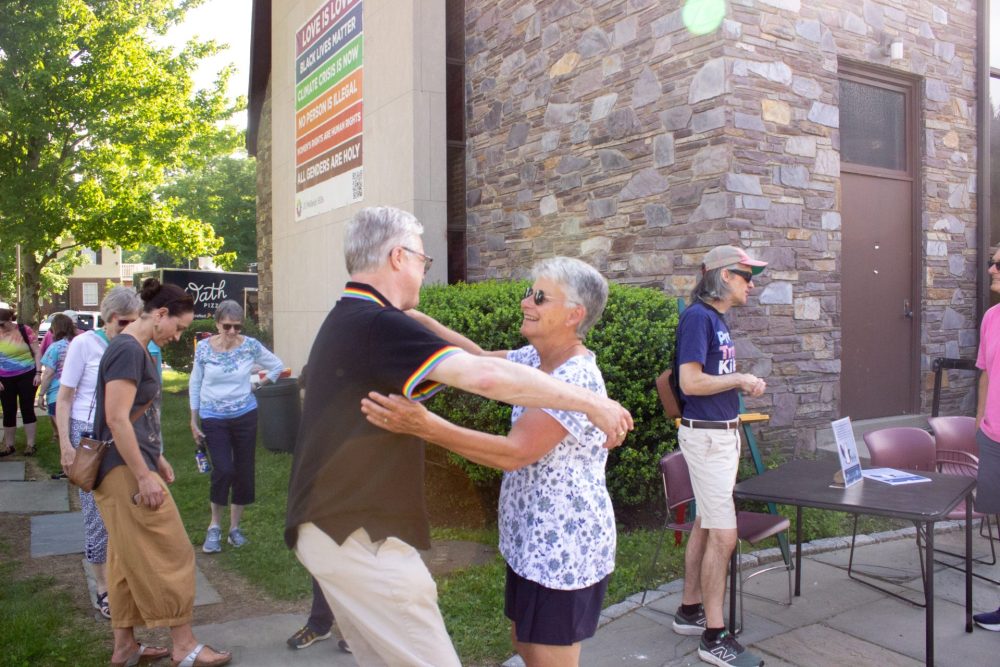
Ramaswamy said that the idea for the event started floating around after Wellesley Public School students reached out to WOW about organizing a Pride celebration.
Although that plan fizzled out as the school year grew busy, the idea persisted until Ramaswamy met Mark Robel, senior minister of UU Wellesley Hills, who had been discussing the same idea with his fellow clergy members.
After the two of them formed a planning committee, comprised of local religious leaders, community volunteers and WOW board members, they all worked toward the event for seven weeks until everything was finalized.
“No single person or organization creates change alone,” Ramaswamy said. “Everything that World of Wellesley has accomplished has been the result of the community.”
Ramaswamy said she hopes to make Pride an annual event in Wellesley so that it becomes a normal part of the town’s fabric.
Robel added that the town does not currently recognize June as Pride Month, for reasons he was unsure of, but he is hopeful that the event will inspire town leadership to do so.
Several town officials were present at the event, including Select Board Members Colette Aufranc and Tom Ulfelder and School Committee Member Costas Panagopoulos, who came with his husband and son.
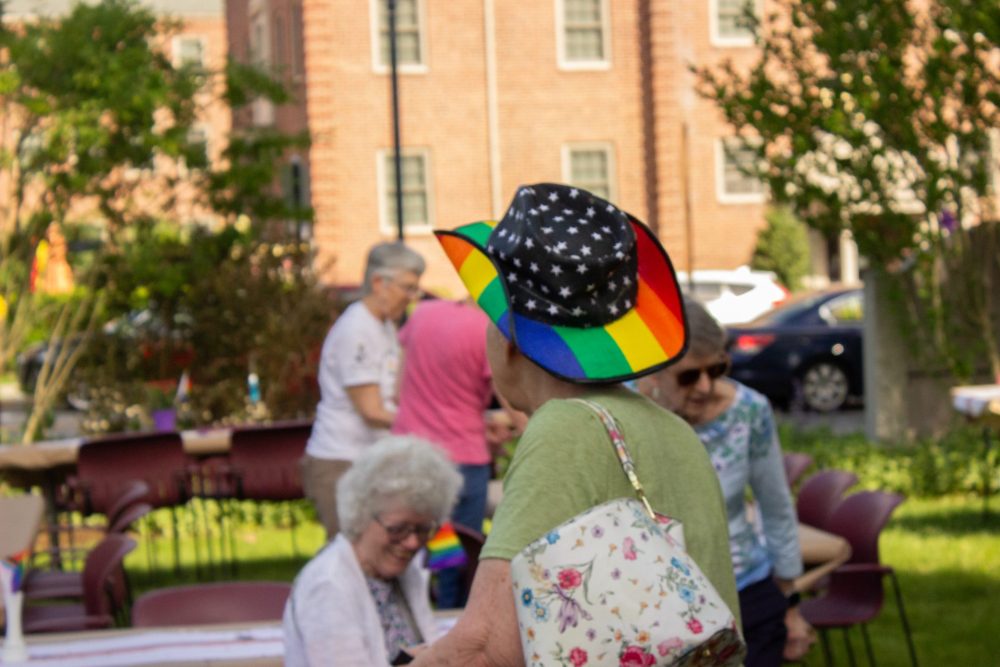
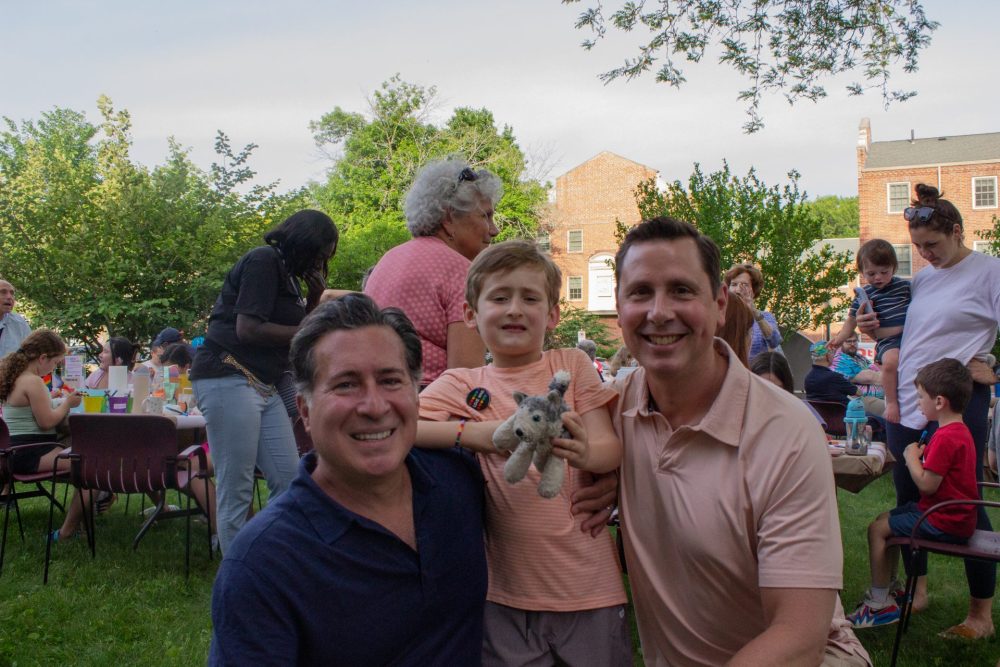
Panagopoulos, one of the town’s first openly gay elected officials, said he has always felt at home in Wellesley, and said it is beautiful that so many people, including elected officials, came to the event to show their support for the town’s LGBTQ+ community.
“It’s a testament to the support for diversity, equity and inclusion in this community, that so many of our elected officials, gay or not, are here to celebrate others in this community, and to showcase our commitment to promoting those values, which are an integral part of what this town is all about,” Panagopoulossaid.
Robel said he has been going to Pride celebrations in Boston and New York City since the 1980s. It has taken time for other communities to “jump on the bandwagon,” he said.
“Each community sort of goes at their own pace with either parades or celebrations,” he said. “This being the first time for Wellesley, I think it’s a big deal. I think it’s really a big deal.”
He said the event’s high turnout signals to him that this type of gathering was overdue in Wellesley and that the community was “hungry” for it.
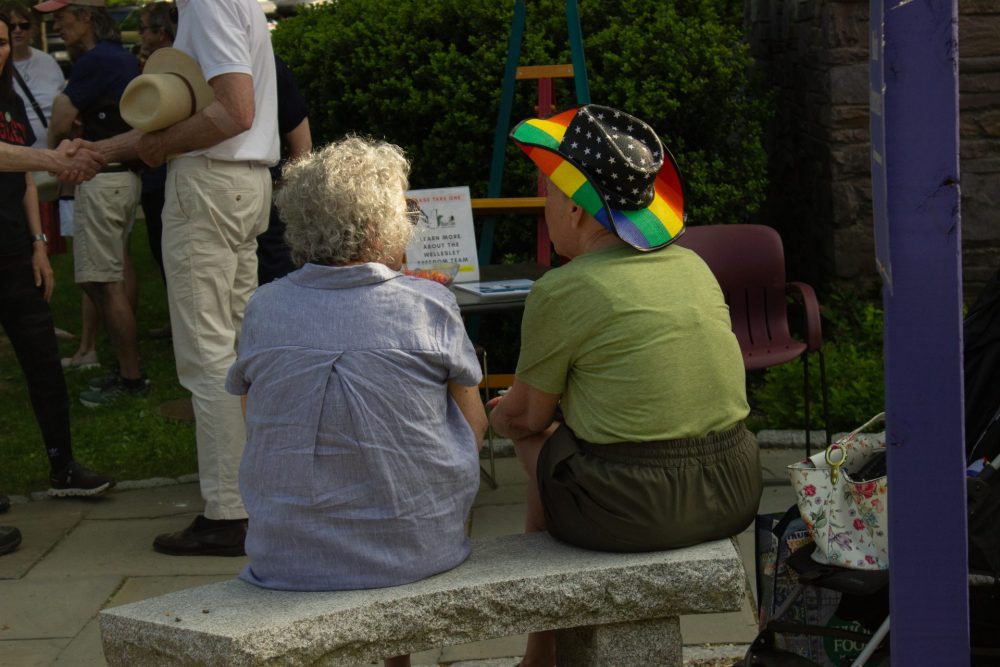
Elaine Mittell, an original member of the Wellesley Freedom Team, a rapid-response, anti-bias team of town officials and a co-sponsor of the event, said Wellesley has come a long way in terms of accepting the LGBTQ+ community.
Mittell said she has been a resident since 1984 and a member of UU Wellesley Hills since 1997. About 30 years ago, she said the church was voted to be a welcoming congregation and marched in the Wellesley parade.
While some people clapped, many pointed at them or shielded their kids from looking, she said.
Nicole Lysaght, an attendee and resident of Wellesley who recently graduated from college, said, as a transgender woman, it is good to see an event in town dedicated to supporting the LGBTQ+ community.
“It’s a shame this wasn’t around when I was growing up here in town,” she said. “But it’s good to see that at least the next generation of queer people will have resources that I couldn’t even have dreamed of, or rather, I could have dreamed of them. I just didn’t have them at the time.”
The event alone might not stop homophobia or transphobia from existing, she said, but it helps “fuel the movement” toward solving those issues.
“World’s in a bad place right now,” she said. “This event on its own may not do much, but it helps keep things going until we get to a better spot.”
Kari Sciera, an attendee and health and sexuality educator at Wellesley Public Schools for the past 22 years, said she came to the Pride event because she has a transgender son and queer daughter.
She said it was “really hard” for them to grow up in Wellesley, which led her to put them both in private school after they attended public schools for years.
“My kids struggled to grow up here. It was a hard place for them to see representation,” she said. “Had we had a supportive community like this, maybe my kids would have never left public school.”
Ramaswamy said she sympathizes with those who did not grow up with events like Pride in Wellesley, but said she is also happy that she has helped make it possible for this generation.
“When children grow up seeing different kinds of people welcomed into community life, that becomes normal to them, and then they also feel like, ‘I’m perfectly accepted and welcomed within this community, regardless of who I am and how I am,’” she said. “That’s really healthy for any community.”
What stood out to her the most about the event was that people lingered, rather than treating it like a “fleeting thing,” she said. Families took time to relax on the church lawn and neighbors talked among themselves.
“They weren’t leaving the minute the program was over,” Ramaswamy said. “They stayed, and in a time where so much of life can feel fragmented and isolated, there was really something meaningful about seeing people simply enjoying being together.”
Note: Article updated on 6/12/26 to include mention of Select Board policy on proclamations on national heritage and history months.
The Massachusetts League of Women Voters collaborated with the Wellesley Free Library earlier this spring to organize a program addressing domestic abuse in Wellesley. Representatives from the league, Second Step, Reach, Mass Family Advocacy Coalition, and the Wellesley Police Department spoke about their roles in domestic violence prevention and support, and how resources can be implemented in Wellesley to overcome the stigma around it.
Ilyse Nielsen, a member of the women’s league, opened the program acknowledging the community in mourning after a Wellesley mother of two involved in divorce and custody proceedings with her husband was charged with murdering their two young children. She told authorities that she later attempted to end her own life.
“In light of the recent tragedy here in Wellesley, tonight’s program seems even more timely,” said Nielsen. “We, the league, would like to acknowledge our collective grief that the community is experiencing and extend our condolences to all those touched by this weekend’s tragic events.”
Despite recent events, fewer than two dozen people attended the April 29 program.
Advocates Sydney Carter, manager of Prevention Education Programs at Reach, and Stacy Karabetsos, director of Prevention Education at Second Step, discussed how to recognize domestic violence cases and support those involved.
Carter said it’s important for people to have the right kind of support system in domestic abuse cases. She shared safety planning resources provided for those seeking help including a 24/7 hotline and an emergency shelter that is accessible on a first-come, first-served basis.
“Society works really, really hard to make a survivor look one kind of way, and survivors are in every space and place,” Carter said.
Karabetsos also shared resources provided by Second Step which included legal services, two annual nine-week support groups and an Intervention Advocacy Program. The legal services work with the advocacy program to provide that wraparound support for survivors, Karabetsos said.
Wellesley Police Department’s domestic violence liaison, Officer Tana DiCenso, said the police department’s priority is to give victims a sense of control over their situation before directly getting involved.
DiCenso discussed how victims often confide in her, seeking validation that they are experiencing domestic abuse. However, her legal obligation requires her to file a report and follow procedure based on the information she receives. Despite these regulations, she encourages victims to confide in her for support.
“You are further stripping their ability to delegate what they want and what they’re ready for,” said DiCenso. “Part of that, them choosing their identity and them having those conscious choices of how they want the trajectory of their life to go, it’s just the first step in getting their life back, and it’s so empowering.”
Margie Palladino, executive director of Mass Family Advocacy Coalition, co-founded the Advocacy Coalition with fellow Wellesley residents and 40 other women from around Massachusetts—some victims of domestic violence—who had negative experiences in family court.
“Our mission is to support women and children by promoting an efficient, accessible family court that provides fair, safe and uniform justice,” Palladino said.
She said the best thing ordinary community members can do to support victims of domestic abuse is to join forces and speak out.
Palladino urged residents to speak to their legislators in support of the Abusive Litigation Bill.
“It is miraculously still alive at the State House, and we were told that it will be moving out of the Senate Judiciary Committee and going to the Committee on Ways and Means, which is very, very exciting,” said Palladino. “But it has to be passed by, really, the end of June.”
“I can’t impress upon you more about how joining together is how invisible harm becomes visible,” she said. “It’s how patterns replace anecdotes, and it’s how people who have never experienced domestic abuse themselves can still play a pivotal role by listening, believing and amplifying and insisting that our laws and our courts could do better.”
This story was produced through a partnership between The Swellesley Report and Boston University’s Department of Journalism.